
REVIEW · ITALY
Rome: Gladiator Show and Museum Tickets
The sharpest part of this Rome evening is the live gladiator show, staged in an arena with music, lights, effects, costumes, and real weapons and armor used by historical reenactors. You get more than swordplay: the program also includes ancient dances, vestal rites, pantomime, audience participation, and a short museum visit.
I like the way the evening mixes history with theater, and I like the friendly cast, who make room for photographs, questions, and crowd involvement. The Roman-style snacks and wine or honeyed wine add atmosphere, too. The main drawback is location: it is about 3.5 kilometers from the Colosseum, and public transport may not be running when the show ends.
Key points at a glance
- The show starts around 21:00: Arrive at 20:45 for the museum, welcome, snacks, and introduction.
- A full Roman program: Expect gladiator combat, dancing, rituals, pantomime, and audience participation.
- Historical reenactors use real weapons and armor: This is staged entertainment, not a genuine fight, but the action can look intense.
- The museum is small and informal: It focuses on Roman legionary life, weapons, armor, and gladiator training.
- Plan your return before sunset: Buses can get you there, but service after the 22:00 finish may be limited.
- Best value for families and casual history fans: At $29 per person, the combination of museum, show, refreshments, and interaction is a solid evening deal.
A Roman arena 3.5 kilometers from the Colosseum
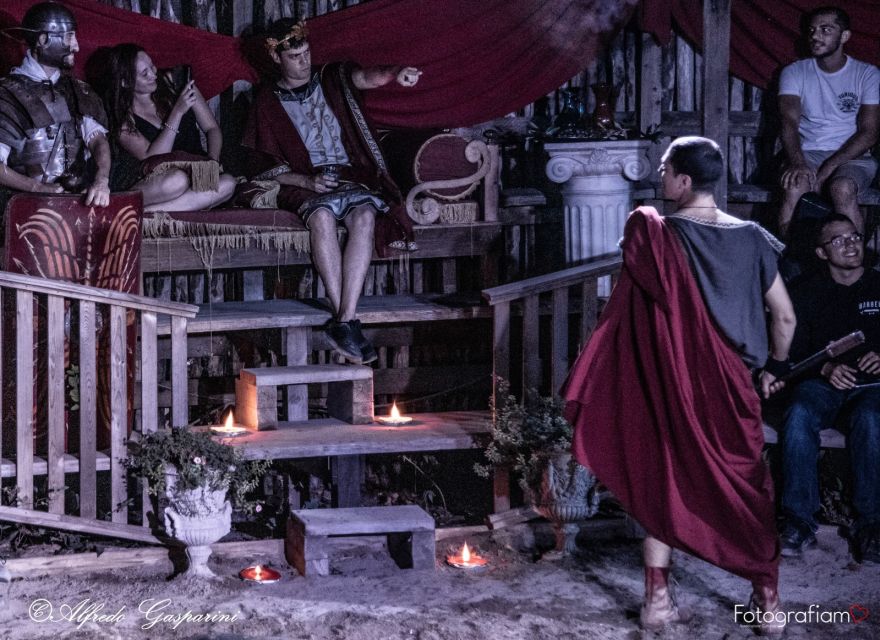
This experience takes place at the headquarters of the Gruppo Storico Romano, also known as the Rome Gladiator School. The venue is outside the main historic center, but not far from the Colosseum by Roman standards, roughly 3.5 kilometers away.
Do not expect to walk into an ancient amphitheater. This is a purpose-built arena and cultural venue, arranged for a staged show. That distinction matters. You are not seeing an archaeological site at night. You are watching performers recreate Roman combat and customs in a setting designed to make the evening lively and accessible.
I think that is the right way to judge it. If you want a serious lecture or a quiet museum, choose another activity. If you want to see Roman weapons in action, watch costumed performers interact with the crowd, and give children something more physical than a row of statues, this makes sense.
The setting uses Roman music, incense, lights, and visual effects to create a period mood before the action begins. Some of the staging can feel theatrical and even a little cheesy. That is part of the charm, but it is worth knowing before you book.
More Gladiator and Colosseum film tours in Rome:
- Rome: Colosseum Tour with Access to the Gladiator Arena
★ 4.4 · 7,046 reviews - Gladiator’s Gate: Special Access Colosseum Tour with Arena Floor
★ 4.5 · 4,037 reviews - Roman Gladiator School: Learn How to Become a Gladiator
★ 4.5 · 1,477 reviews
What happens between 20:45 and 22:00
The advertised entrance time is 20:45. That first half-hour is useful because it gives you time to look around before the main performance begins.
You visit the Museo Storico-Didattico del Legionario Romano, a small teaching museum devoted to the Roman legionary. The collection includes ancient-style weapons and armor, and you may have the chance to handle or try on some items. This is not a large, formal museum with a long route through galleries. It is closer to an introduction to Roman military life before the stage show.
A presenter explains the evening and gives context about gladiators, training, Roman customs, and the program ahead. One past evening featured a presenter playing a slave owner, using a strong voice and theatrical manner to set the scene. Guide Dafydd was also singled out for making the evening special, although the guide or presenter may vary.
During this opening period, you can take photographs and speak with members of the cast. The atmosphere is social rather than solemn. You may receive Roman-style appetizers and a drink, with wine and honeyed wine mentioned as part of the period-inspired welcome.
Keep your expectations sensible about the food. It is a snack, not dinner. One practical account described the appetizer as simple but good, while also making clear that you should eat elsewhere if you need a full meal. There are no nearby dining services immediately around the venue, so I would have dinner beforehand or plan a restaurant stop back in central Rome.
The main show runs for about an hour, usually from around 21:00 to 22:00. Add the museum and welcome, and the full event lasts about 90 minutes.
Gladiator combat, dances, and Roman ritual
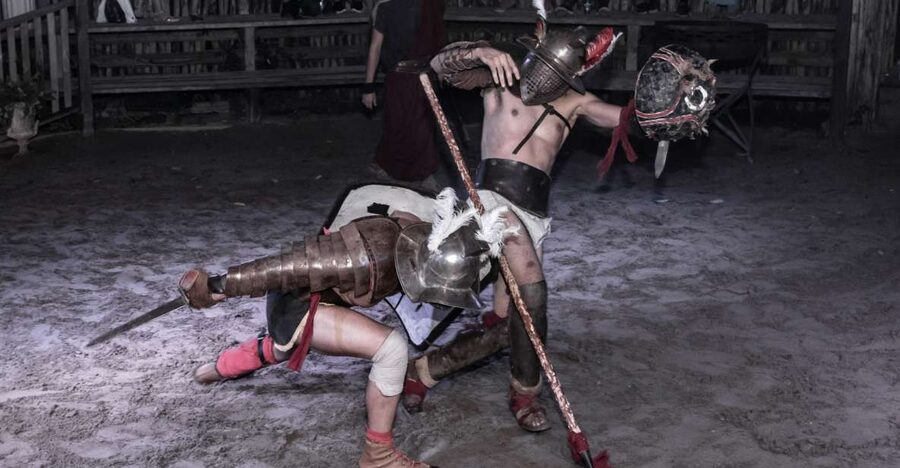
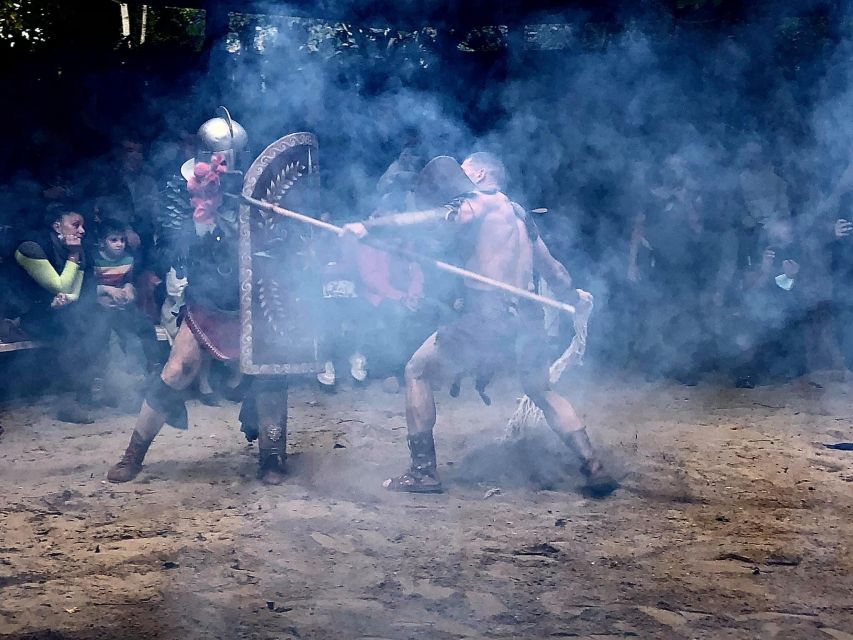
The performance has several parts, which keeps the evening moving. The central attraction is the gladiator fight, performed by reenactors in period-style armor with real weapons. The fast swordplay and falls can look surprisingly convincing, especially under the lights and with the audience close to the action.
You should still understand what you are watching. This is choreographed historical entertainment, not an actual fight to the death. The performers are trained reenactors, and the violence is presented for drama. Some sequences are intense enough to make you gasp, but the show is built for a general audience rather than for graphic realism.
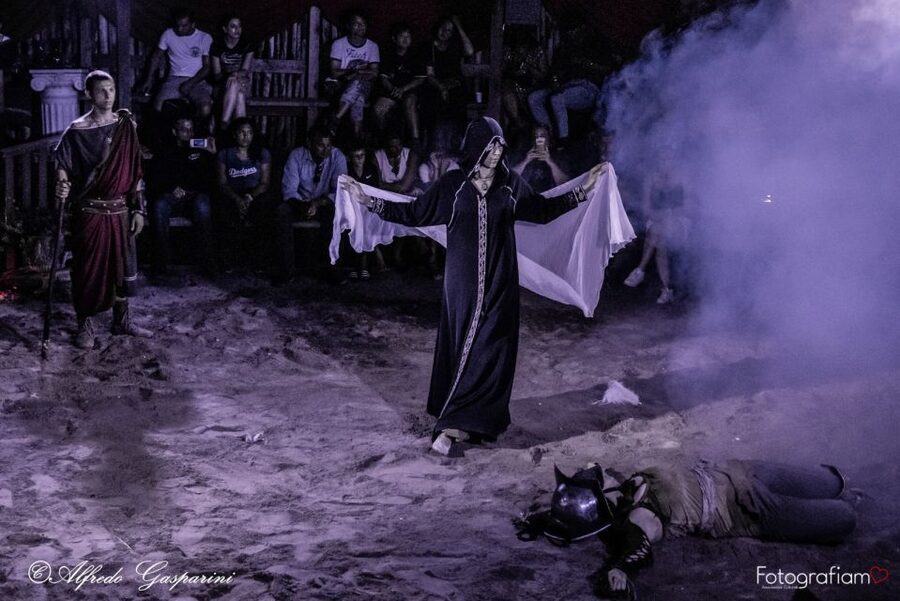
The combat is only one piece of the program. You can also see ancient dances, vestal rites, and pantomime. A comedy warm-up act has been part of the performance, and gladiator training may be included. These lighter sections give the cast a chance to play with the audience and prevent the show from becoming a long string of sword clashes.
The dance sequences help explain why this is more than a basic stunt show. Roman public entertainment involved ceremony, music, spectacle, and social roles as well as combat. The performance cannot reproduce ancient Rome in a scholarly sense, but it offers a broad picture of how ritual and display could work together.
Audience participation is part of the deal
You are not expected to sit quietly for 60 minutes. The presenter regularly works with the crowd, and the cast may invite you to take part in different ways. That can mean responding to the action, joining a simple activity, posing for photographs, or helping the performers create a louder arena mood.
This approach is especially useful for families. Children may not remember every detail about Roman military history, but they will understand the difference between a helmet, a shield, a training exercise, and a staged battle when they see them up close.
The interactive style also helps visitors who are not fluent in English. One useful point from the experience is that the performers communicate with gestures, expressions, and physical action as well as words. Still, the main language information is not clearly specified, so you should not book this as a guided English-language lecture.
If you prefer to observe quietly, the crowd work may feel like too much. I would choose a different evening activity if you dislike being called on or if theatrical audience participation makes you uncomfortable. For most people looking for a relaxed, playful night, it adds to the fun.
More film museums and exhibitions in Rome:
- Capitoline Museums Marvels Private Tour
★ 5.0 · 20 reviews - The National WWII Museum Campus Pass plus 4-D Film
★ 5.0 · 672 reviews - Tokyo Studio Ghibli Museum and Ghibli Film Appreciation Tour
★ 4.5 · 421 reviews - Split: Game of Thrones Museum Entrance Ticket
★ 3.8 · 385 reviews
The museum is small, but it earns its place
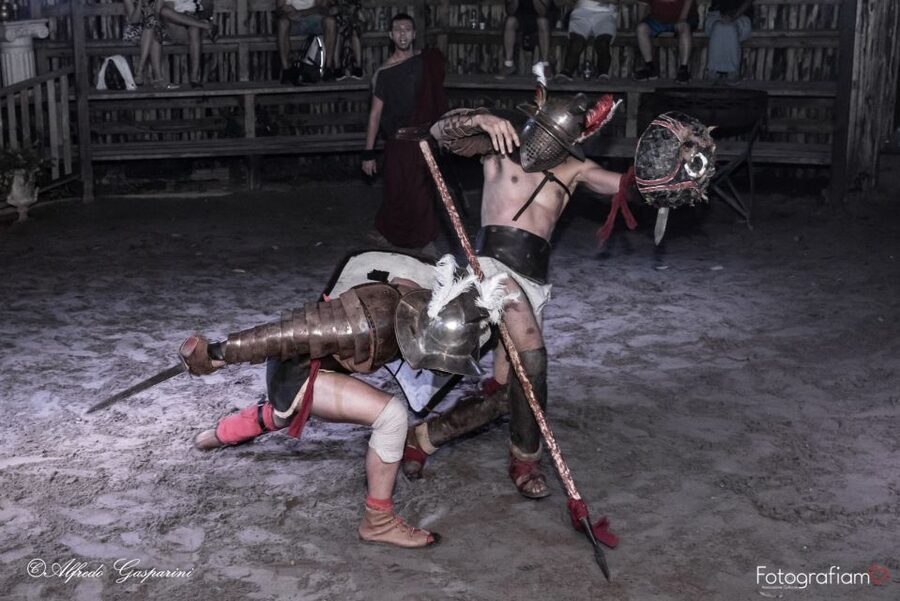
The museum portion should be treated as an introduction, not the main attraction. You will not spend hours studying a major collection. The useful part is the direct link between the objects and the performance.
Seeing Roman-style weapons and armor before watching a gladiator battle helps you notice what the performers are carrying and wearing. If you are curious about gladiator training or legionary equipment, this short visit gives you a starting point.
Group size can affect the experience. When many people arrive at once, it may be harder to inspect every object closely. The venue is best understood as a compact teaching space attached to the arena, not a replacement for the Colosseum, the Roman Forum, or Rome’s major archaeological museums.
I like this arrangement because it keeps the evening focused. You get a bit of context, then see the ideas put into motion. If you want detailed archaeology, schedule the Colosseum and Forum separately during the day.
Snacks and wine are atmospheric, not a meal
The included refreshments are a pleasant extra. Roman-style nibbles and drinks help the welcome feel different from a standard theater visit. Honeyed wine, described as a period-style drink, is one of the more distinctive touches.
Do not read the word cocktail as a full bar service or dinner. The available information points to a simple complimentary refreshment, not a complete meal. This is an important planning detail because the show ends around 22:00, when nearby choices may be limited.
I would eat before arriving, then enjoy the snacks as part of the presentation. If you are traveling with children or have dietary needs, keep your own meal plans in place rather than relying on the included food.
Getting there and getting back
The meeting point is the Rome Gladiator School, Gruppo Storico Romano. Buses 118 and 218 have been used by visitors reaching the venue, with a walk of about five minutes from the stop. The trip is manageable, but the area is not as convenient as central Rome.
This is the one part of the experience that needs careful planning. The show finishes around 22:00, and bus service may be reduced or finished by then. A taxi or rideshare is the safer return plan. The staff have helped arrange taxis for people after the show, and that can be especially useful for a small group or a family with tired children.
Do not assume you will find a restaurant right outside. The location has been described as isolated, with no nearby services within easy walking distance. If you want to return by public transport, check the evening timetable before leaving your hotel. If you plan to use a taxi, arrange it in advance or ask the staff for help at the end.
The venue is listed as wheelchair accessible. Even so, you may want to confirm the exact route and transport arrangement directly if you need detailed accessibility information.
Is $29 a fair price?
At $29 per person, the value is good if you want an evening of entertainment rather than a formal historical tour. Your price covers the museum visit and the show, with snacks and drinks also described as part of the welcome. The 90-minute program gives you a clear block of entertainment without taking an entire night.
The value improves for families because the event combines several things in one place: objects to see, a presenter to explain the setting, a live performance, audience participation, and a few refreshments. You do not need to arrange separate tickets for a museum and a show.
The value is weaker if your main goal is serious scholarship. The museum is small, the arena is modern, and the script uses theatrical exaggeration. For that purpose, spend your money on an archaeological site or a specialist museum, then consider this as a fun extra.
I would also factor in transport. The ticket is inexpensive, but a taxi both ways can raise the total. It still may be worthwhile, especially for a group, but calculate the complete evening cost before booking.
Who will enjoy this evening most?
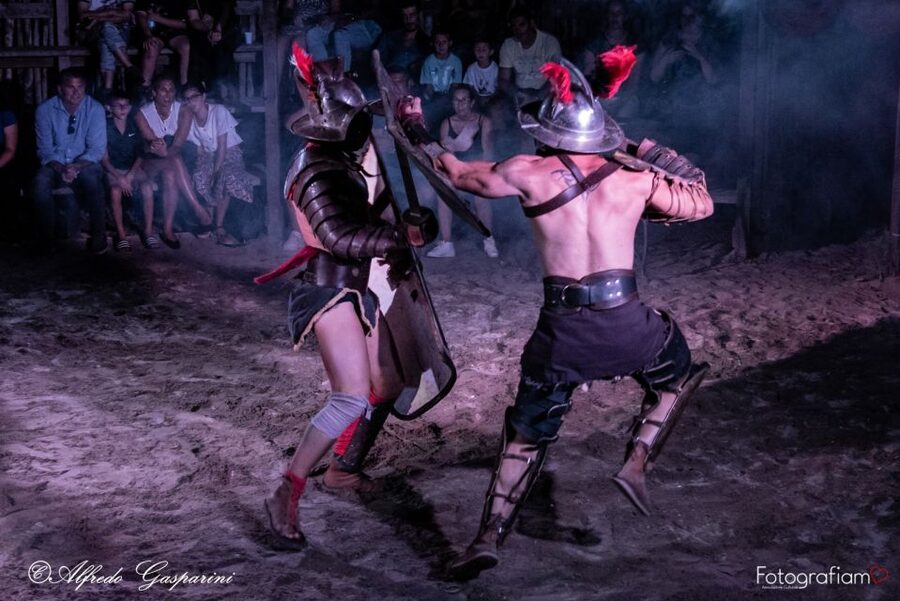
I would recommend it to families, first-time Rome visitors, casual Roman-history fans, and anyone wanting a break from churches and museums. It is also a good choice for a solo visitor who enjoys meeting performers and joining a lively group activity.
Children have several reasons to stay interested: costumes, weapons, movement, comedy, dancing, and the chance to be part of the show. Adults get more from the Roman customs, the explanation of gladiator life, and the playful theater.
The experience suits you less well if you want a quiet, academic account of ancient Rome. It also may not work if you have a late-night transport problem, need a full dinner at the venue, or dislike staged violence.
Bring a camera. Photography is encouraged, and the cast is available for pictures and conversation. Comfortable shoes are sensible because you will be moving around the venue and may need to walk from the bus stop.
Book the show or skip it?
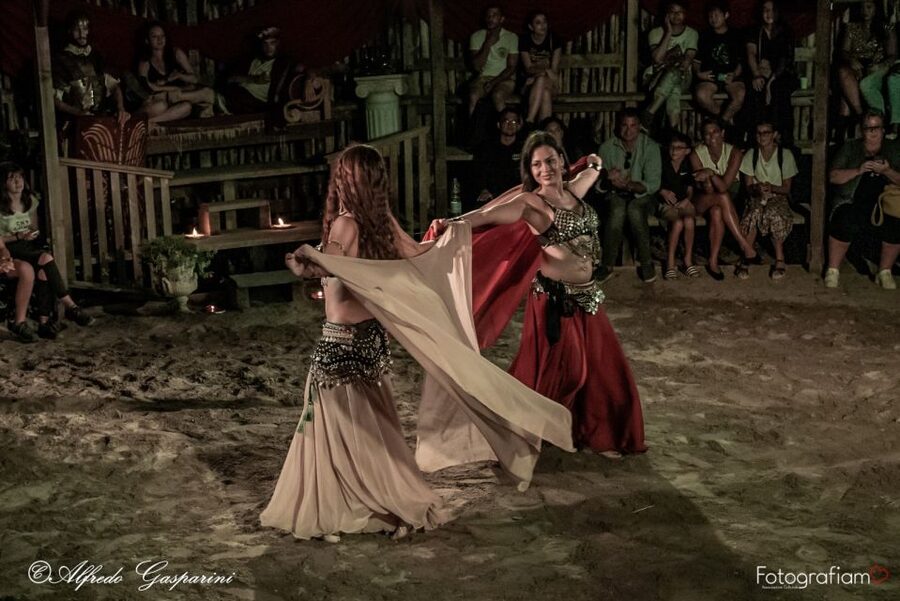
Book it if you want history you can see and hear in motion, especially if you are traveling with children or need an easy evening activity at a moderate price. The strongest parts are the enthusiastic cast, the variety of the program, the hands-on feel of the museum, and the audience participation.
Skip it if you expect the Colosseum itself, a full museum, or a serious academic lecture. Also skip it unless you can solve the return journey. The show is fun and informative, but the transport issue is real.
For the best experience, eat before arrival, reach the venue for the 20:45 entrance, take time with the museum and photographs, join in when invited, and arrange your ride home before the final applause.
FAQ
How long does the Rome gladiator experience last?
The full event lasts about 1.5 hours. Entrance is at 20:45, and the evening ends around 22:00.
Where does the gladiator show take place?
It takes place at the Rome Gladiator School, the headquarters of Gruppo Storico Romano, in an equipped arena about 3.5 kilometers from the Colosseum.
What is included in the ticket?
The ticket includes the Museo Storico-Didattico del Legionario Romano and the gladiator show. Roman-style snacks and drinks are also described as part of the evening welcome.
Is the gladiator fighting real?
Historical reenactors perform the fights using real weapons and armor, but the combat is staged entertainment rather than a genuine battle.
Does the experience run all year?
The shows take place from May through September. The supplied schedule refers to dates in 2026.
Is the activity wheelchair accessible?
The activity is listed as wheelchair accessible. For detailed transport or route questions, contact the provider before booking.
Just added around Rome
- 3-Hour Colosseum Gladiator’s Arena and Ancient Rome Tour★ 4.5 · 8 reviews
- Colosseum Gladiator’s Arena and Ancient Rome Tour★ 4.5 · 7 reviews
- The Colosseum Arena & Gladiator Chronicles Private Tour★ 5.0 · 14 reviews
- Rome : Arena of Gladiators Tour with Forum Access★ 4.0 · 6 reviews
- From Colosseum Gladiators to Via Sacra: Rome’s Historic Heart★ 5.0 · 12 reviews
- Tour of Gladiators Arena and Colosseum with Imperial Forum★ 4.5 · 8 reviews
- Colosseum & Roman Forum with Gladiator Arena For Kids & Families★ 5.0 · 2 reviews
- Marvels Of Rome At Night – Private Tour★ 4.5 · 26 reviews
Italy Film Location Tours, compared.
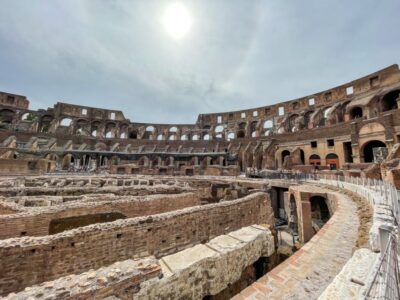
Colosseum Tour with Access to the Gladiator Arena
Read our review →
Gladiator’s Gate: Special Access Colosseum Tour with Arena Floor
Read our review →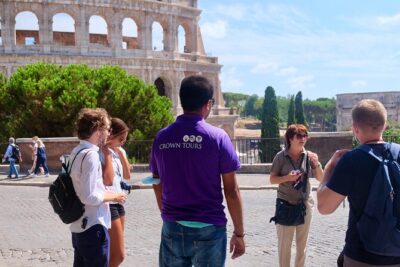
Colosseum Arena Floor, Roman Forum & Palatine Hill Tour
Read our review →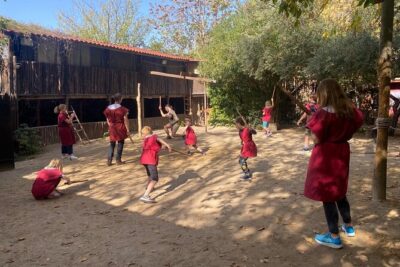
Roman Gladiator School: Learn How to Become a Gladiator
Read our review →
Full Day Tour to Val d’Orcia and Gladiator’s Fields with Wines
Read our review →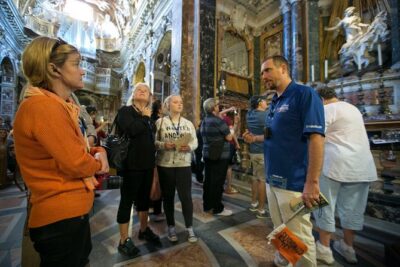
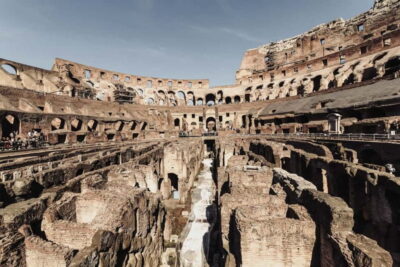
Gladiator’s Gate and Arena Special Colosseum Access
Read our review →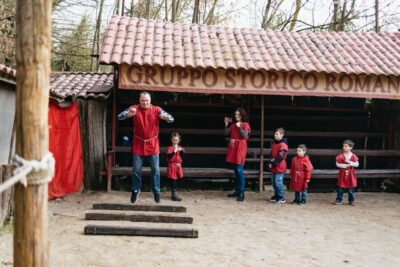
Browse the lists this tour appears in