
REVIEW · ITALY
Roman Gladiator School: Learn How to Become a Gladiator
The best part of this Rome experience is that you do not just look at ancient weapons behind glass. You put on a tunic, grip a wooden rudis, learn simple sword moves, and finish with a mock battle in an arena. The class is led by members of the Historic Group of Rome, with instructors such as Mirkos, Patricio, Ivan, and Flama bringing plenty of energy to the lesson.
I like the hands-on museum visit, where you can see helmets, armor, weapons, and Roman military equipment before training begins. I also like the small groups, limited to 15 people, since instructors can give children and adults more attention. The main drawback is the location. It is outside the central sightseeing area, and the final approach can be hard to find, with mosquitoes a nuisance in warm weather.
Key points to know before you book
- The class lasts about two hours, including the museum visit, warm-ups, sword instruction, and arena battles.
- You wear the costume and use training weapons, including a tunic, belt, leather gloves, and a rudis.
- The activity works especially well for families, though the official minimum age is six and the mock combat may not suit every young child.
- The museum adds real substance, with Roman weapons, helmets, armor, and displays that make the training easier to understand.
- The school is on Via Appia Antica, near the Colosseum by Roman standards, but not in the heart of the old center.
- The price is about $108.16 per person, a fair amount if your group values an active, guided experience rather than another standard sightseeing tour.
What the two-hour gladiator lesson is really like

The Gladiator School of Rome gives you a short, active introduction to Roman fighting rather than a serious martial arts course. You arrive at the school on Via Appia Antica, 18, check in, and begin with the setting itself: a training ground devoted to ancient Roman life and combat.
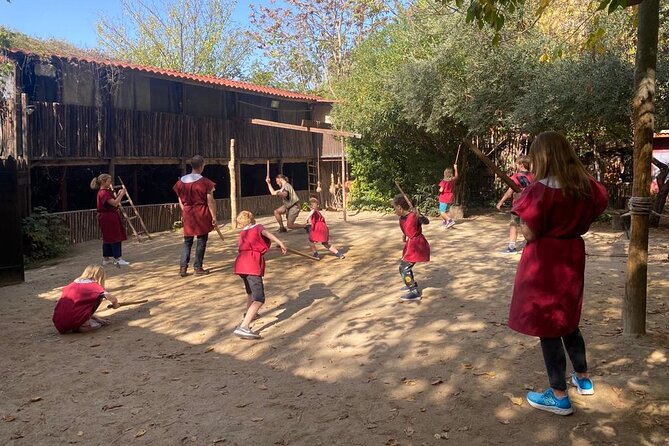
The experience is designed for participation. You are not expected to know how to hold a shield or swing a sword. The instructor demonstrates the basic moves, then gives you time to copy them. The tone is playful, and the mock battles are meant to produce laughs, not bruises.
The class can include adults, teenagers, and children in the same group. A maximum of 15 people keeps the lesson from feeling like a crowd, though the exact group size may depend on the date and season. In quieter periods, a family or small party may receive very personal attention.
More Gladiator and Colosseum film tours in Rome:
- Rome: Colosseum Tour with Access to the Gladiator Arena
★ 4.4 · 7,046 reviews - Gladiator’s Gate: Special Access Colosseum Tour with Arena Floor
★ 4.5 · 4,037 reviews - Rome: Gladiator’s Gate and Arena Special Colosseum Access
★ 4.7 · 796 reviews
Starting in the museum with real Roman equipment
The museum visit comes before the physical training, and I consider it an important part of the experience. Without it, the swordplay could feel like a costumed game. The displays give you a quick look at the equipment used by gladiators and Roman soldiers, including helmets, shields, weapons, armor, and other artifacts.
The instructor explains how different pieces of equipment affected a fighter’s movement and protection. You may also have the chance to handle or try on some items for photographs, depending on the lesson and guide. This is where the school connects the fun activity to Roman military life.
Guides such as Patricio, Ivan, Mirkos, and Flama have been praised for using humor while explaining the subject. That matters with children, who can lose interest during a long lecture. The museum talk is brief enough to keep the pace moving, but it gives you useful context before you step outside.
If you have already visited the Colosseum, the museum makes a good follow-up. You will recognize the broad setting of Roman public entertainment, then see how weapons and protective gear fit into that world. If the Gladiator School comes before the Colosseum, it can give younger children a simple story to carry into the larger archaeological site.
Dressing as a Roman fighter

After the museum, you put on the basic gladiator outfit. The supplied clothing includes a traditional belt, tunic, leather gloves, and a training sword called a rudis. The outfit is part of the fun, but it also helps you shift from spectator to participant.
Parents often appreciate this stage because it gives children a clear role. Instead of being told to imagine an ancient fighter, they have the clothing and equipment in front of them. It also creates good family photographs, especially when the whole group is dressed for the lesson.
The costume is used during the class and returned afterward. Wear comfortable clothes underneath and shoes suitable for movement. The activity involves warm-ups, footwork, mock fighting, and time outdoors, so this is not the place for stiff clothing or delicate footwear.
Learning the basic sword and shield moves
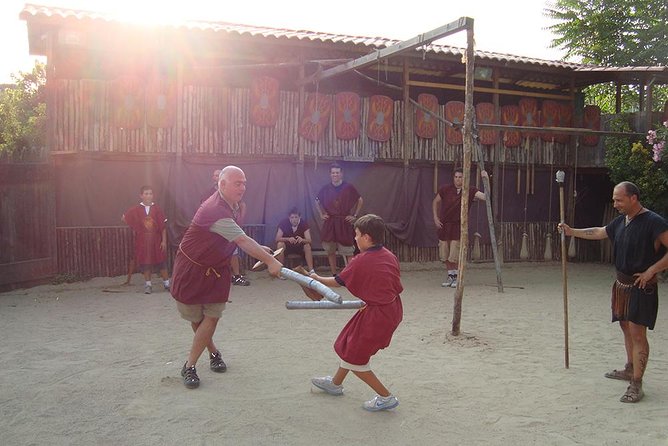
The instruction begins with simple offense and defense. You learn how to hold the sword, move your feet, protect yourself, and respond to another fighter. The movements are adapted for a fun class, so you do not need athletic training or previous experience.
A warm-up and agility section may include basic exercises and simple games designed to get everyone moving. Some classes also use a mental training game to help children think like gladiators before entering the arena. The guide adjusts the pace to the group, which is especially helpful when children and adults have different confidence levels.
The lesson is physical, but it is not presented as a hard workout. You should expect to move around and swing a training weapon, yet the main aim is participation and good humor. Parents can join in rather than simply watch, and adults who enjoy playful competition often get as much out of the class as children.
There is one point to consider. Mock combat can be too rough or exciting for some younger children. One account described children crying after physical contact during the fighting. The instructors appear to keep the activity light, but children differ in how they react, so stay close and use your judgment.
A few more filming locations around Rome worth a look
- Rome: 2-Hour Gladiator School
★ 4.7 · 630 reviews - Rome: Gladiator Show and Museum Tickets
★ 4.5 · 237 reviews - Colosseum Gladiator Tour for Kids and Families
★ 4.1 · 226 reviews - Colosseum Gladiator’s Arena and Ancient Rome VIP Guided Tour
★ 4.0 · 214 reviews
The arena battle and optional tournament
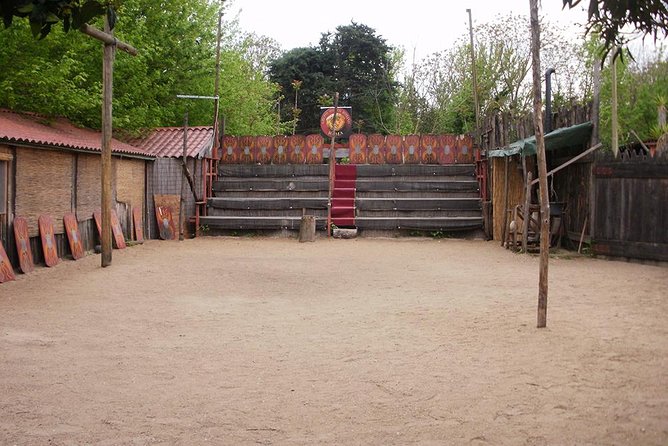
The arena is the payoff. After practice, you face other members of your group in short mock matches using wooden swords and shields. The instructor explains the rules and keeps the action moving, often adding comic drama to the final battle.
You may also take part in an optional tournament, with a prize for the winner. This is not a serious contest, but it gives older children, teenagers, and competitive adults an extra reason to pay attention during practice. If you prefer not to compete, the class still includes the training and arena portion.
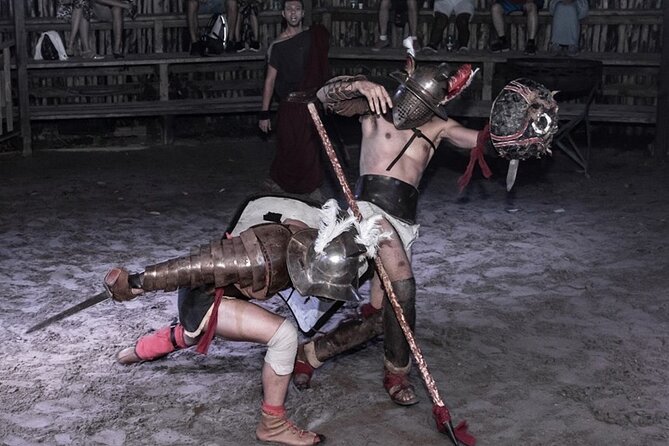
The mock fight is best understood as theatrical play. You are not recreating the deadly contests of ancient Rome, and the school does not present the session as real combat. Instead, you get a safe-feeling way to act out the idea of gladiator training while learning a few basic movements.
At the end, every participant receives a certificate of accomplishment. It is a small touch, but children tend to value it. Friends and family members who do not take part can watch from a viewing platform, so one parent can observe while another joins the class.
Why families tend to get the most from this activity

This is one of the more successful Rome activities for families who need a break from churches, ruins, and museums. Children can move, make noise within reason, wear a costume, and take part in a story that they may already know from books or films.
The format also helps mixed-age groups. A six-year-old can focus on dressing up and copying the moves, while an older child may enjoy the tournament and the equipment details. Adults can take the history talk seriously, join the warm-up, or simply enjoy the absurdity of a family sword fight.
The school has also worked well for children with different needs. Staff have been described as welcoming and attentive with autistic children. That said, the physical contact and outdoor setting may not suit everyone. If your child is sensitive to noise, touch, heat, insects, or competitive play, explain the format before booking and stay ready to step out of a match.
Adults can enjoy it, but expectations matter. This is not an advanced fencing lesson, a full archaeological tour, or a demanding historical reenactment. It is a guided activity with a history component. A group of adults who enjoy dressing up and playing along can have a great time. Adults seeking a serious combat workshop may find it too light.
Getting to Via Appia Antica, 18
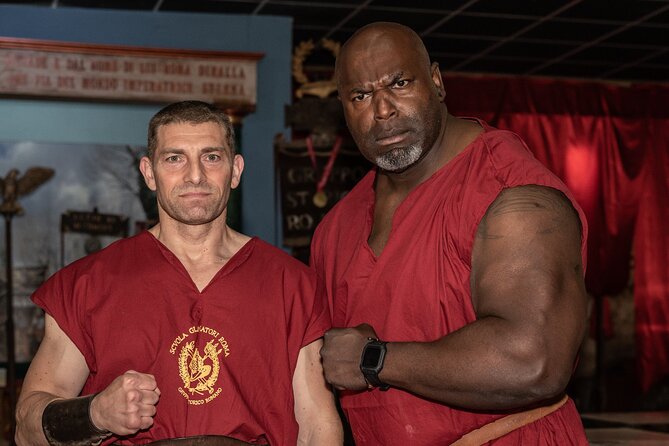
The address is Via Appia Antica, 18, outside the busiest part of central Rome. It is near public transportation, and bus 118 has been used to reach the school via the Appian Way. Taxis are another option, though the ride can add to the cost.
The route from the Colosseum is not as simple as the map may suggest. It can take about 45 minutes on foot, and one part of the school is at the end of a long driveway rather than directly where you might expect from the map pin. Give yourself extra time, especially if you have children with you.
The school is close enough to pair with a Colosseum visit in the same day, but do not schedule the two activities too tightly. The walk, bus wait, or taxi pickup can take longer than planned. I would use a taxi if your group is large, the weather is hot, or you have a fixed class time.
The Appian Way setting gives the experience a more open feel than a classroom in the city center. The tradeoff is convenience. There are not many food options nearby, so eat before arriving. A small drink is listed as included, but this has not always been provided, so bring water or confirm what is available.
Mosquitoes, weather, and what to wear
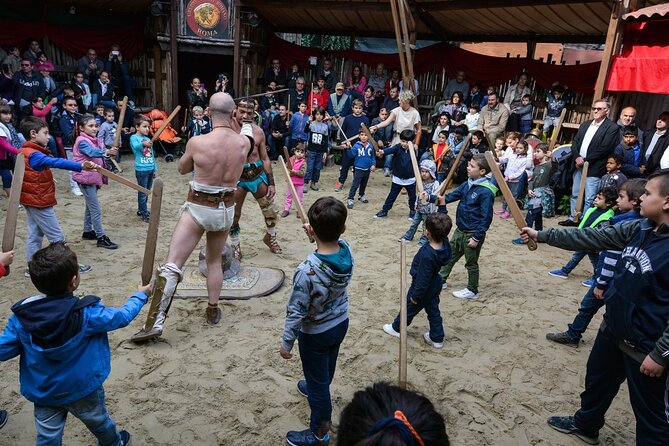
Much of the class takes place outside. Warm weather can make the costume and movement uncomfortable, while cooler weather may make the open training area feel chilly. Check the forecast and dress in layers you can wear under the tunic.
Bring mosquito repellent. Several people have dealt with bites, and the outdoor setting can make insects a real nuisance. This is one of those small preparations that can make a big difference to your mood.
Comfortable shoes are essential. You will warm up, move around, and take part in the arena activity. I would also bring water, even though a drink is listed among the inclusions, because the supplied information about it is not fully consistent.
The activity is available at several times during the day. Morning sessions may be a good fit in hot weather, while a later class can work after sightseeing. Choose based on transport and heat rather than trying to squeeze it into an already crowded schedule.
Is $108.16 per person good value?
At about $108.16 per person, this is not a cheap add-on. For a family of four, the total can become a serious part of the day’s budget. The value depends on what you want from Rome.
You are paying for roughly two hours of instruction, the museum, costume and weapon hire, the guided history talk, the arena session, and a certificate. You also get a small-group format with a maximum of 15 participants. Compared with a short photo stop or basic costumed attraction, there is more teaching and participation here.
I think the price works best for families who would otherwise spend money on several child-focused activities. It can also be worthwhile for adults who genuinely enjoy historical reenactment. If your group prefers quiet museums and ruins, the cost may feel high for a playful lesson.
Group discounts may be available, which can improve the calculation for larger families or parties. Free cancellation is allowed up to 24 hours before the start time. Changes or cancellations inside that window are not accepted for a refund, so keep your transport plans in mind before booking.
Who should book the Gladiator School?
I would choose this for:
- Families with children aged six and up who enjoy active play
- Parents looking for a break from formal sightseeing
- Adults who like costumes, competition, and Roman military history
- Children who have already visited the Colosseum and want to act out what they saw
- Small groups seeking a shared activity rather than another guided walk
I would think twice if your group dislikes physical play, has difficulty reaching out-of-center locations, or wants a serious archaeological lesson. The museum section is useful, but the main event is the training and mock battle.
The official minimum age is six. Some families have brought younger children, but that does not change the stated age rule, and the physical nature of the arena may not suit every child. Ask your child in advance if they are comfortable with pretend fighting and being part of a group competition.
Should you book this Rome experience?
Book it if you want your Rome itinerary to include one lively, memorable activity rather than another passive tour. The combination of museum objects, costume, basic sword work, and a final arena match gives the experience a clear shape, and the enthusiastic instructors help keep the history from feeling dry.
I would reserve it for a family day, allow extra time for the Appian Way journey, and pack comfortable shoes and mosquito repellent. If you can accept the price and the distance from central Rome, the Gladiator School offers a playful way to connect with Roman history. Just remember that it is a theatrical training session, not a formal fencing course or a substitute for visiting the Colosseum.
FAQ
How long does the Gladiator School experience last?
The class lasts approximately two hours. This includes the museum visit, costume fitting, warm-ups, sword instruction, and mock arena activity.
Where does the class take place?
The experience takes place at the Gladiator School of Rome at Via Appia Antica, 18, 00179 Roma RM, Italy. The activity ends at the same meeting point.
What is included in the price?
The booking includes the two-hour Roman Gladiator in a Day class, instruction from members of the Historic Group of Rome, gladiator clothing, training weapons, and a drink as specified in the inclusions. The museum entrance and a certificate of accomplishment are also part of the experience.
Is the museum visit included?
Yes. Admission to the Gladiator School of Rome Museum is included. You can see gladiator weapons, helmets, armor, and other Roman artifacts before the practical lesson.
What age must children be to participate?
The minimum age is six years old. The class includes physical movement and mock fighting, so parents should consider whether their child is comfortable with those activities.
Can friends and family watch without joining?
Yes. Friends and family can watch the class from a viewing platform. The booking information does not specify a separate spectator fee.
How many people can be in one class?
The maximum group size is 15 participants. Smaller groups may receive more personal attention from the instructor.
How do I reach the school from central Rome?
The school is near public transportation, and bus 118 serves the Via Appia area. A taxi is another option. The walk from the Colosseum can take about 45 minutes, and the final driveway may be difficult to identify, so allow extra time.
Can I cancel for a refund?
You can cancel for a full refund up to 24 hours before the experience begins. Cancellations or changes made less than 24 hours before the start time are not accepted for a refund.
Just added around Rome
- Colosseum Gladiator’s Arena and Ancient Rome Tour★ 4.5 · 7 reviews
- 3-Hour Colosseum Gladiator’s Arena and Ancient Rome Tour★ 4.5 · 8 reviews
- The Colosseum Arena & Gladiator Chronicles Private Tour★ 5.0 · 14 reviews
- Rome : Arena of Gladiators Tour with Forum Access★ 4.0 · 6 reviews
- From Colosseum Gladiators to Via Sacra: Rome’s Historic Heart★ 5.0 · 12 reviews
- Tour of Gladiators Arena and Colosseum with Imperial Forum★ 4.5 · 8 reviews
- Colosseum & Roman Forum with Gladiator Arena For Kids & Families★ 5.0 · 2 reviews
- Marvels Of Rome At Night – Private Tour★ 4.5 · 26 reviews
Italy Film Location Tours, compared.
Colosseum Tour with Access to the Gladiator Arena
Read our review →
Gladiator’s Gate: Special Access Colosseum Tour with Arena Floor
Read our review →
Colosseum Arena Floor, Roman Forum & Palatine Hill Tour
Read our review →
Full Day Tour to Val d’Orcia and Gladiator’s Fields with Wines
Read our review →
Gladiator’s Gate and Arena Special Colosseum Access
Read our review →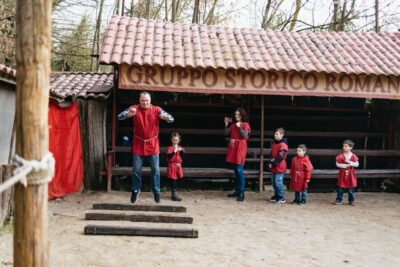
Browse the lists this tour appears in