
REVIEW · ITALY
Mamma Mia! Authentic Italian Pizza Making Class
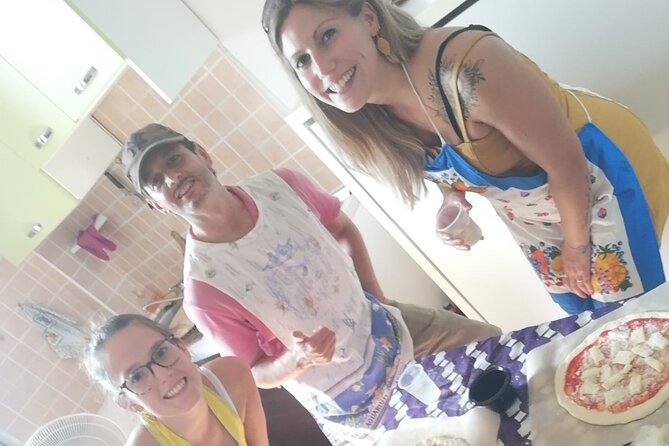
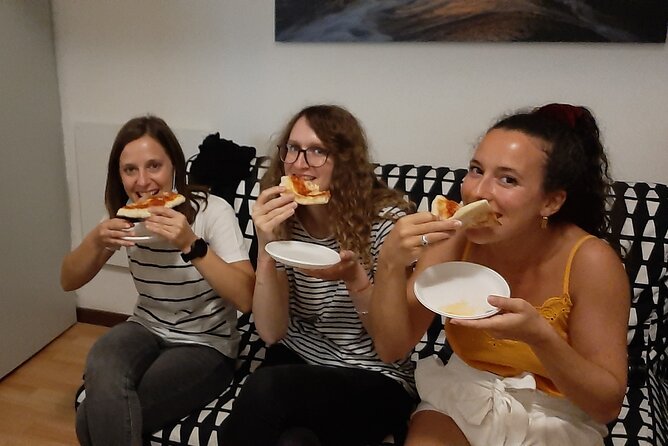
Milan’s best food lesson may be the one where you get flour on your hands. This two-hour class brings you into Armando’s home-cooking world to shape dough, top your pizza, and eat it fresh from the oven. I like Armando’s patient, personal teaching and the very small group, capped at five people.
I also like that this is more than a quick recipe demo: Armando explains pizza’s origins and shares a family connection to the craft. The main caution is the setting, which can feel more like a simple studio than a polished restaurant kitchen, and the menu centers on one dish: pizza.
Key points at a glance
- Armando teaches the dough technique: You learn the hand movements needed to create a smooth dough, not just where to buy ingredients.
- The group is limited to five people: That gives the class a personal feel and makes it easier to ask questions.
- Your pizza comes hot from the oven: The meal is the payoff for the hands-on work, with beverages included.
- The class includes pizza history: Armando explains how pizza developed and connects the lesson to his grandfather.
- It begins at noon in Milan: The timing works well as a break between morning sightseeing and an afternoon walk.
- The price is $93.45 per person: It is not a cheap meal, but it includes instruction, food, drinks, and a small-group setting.
Making pizza personal in Milan
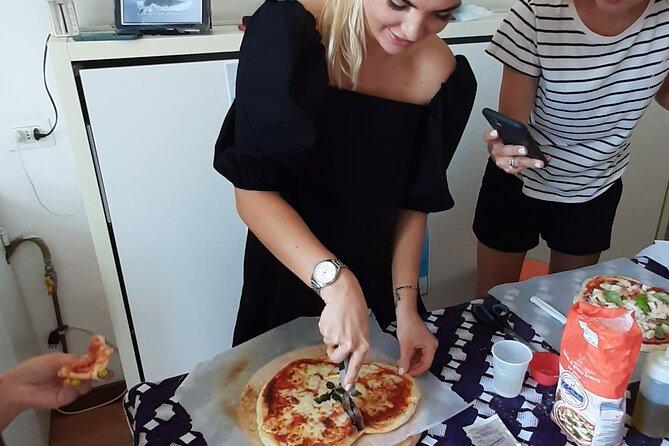
A pizza class can go two ways. You can watch someone else stretch dough while you nod politely, or you can get involved and discover that dough has a mind of its own. This experience aims for the second option.
You meet Armando at Viale Certosa in Milan at noon. He is described as friendly, easygoing, and fond of sports, travel, and new cultures. That matters here. A hands-on food class works best when the teacher keeps the mood relaxed, especially when your first attempt at shaping dough looks less like a perfect circle and more like northern Italy on a crooked map.
Armando’s own approach is part of the appeal. He explains the origins of pizza, talks through the ingredients, and shows you the movements used to make smooth dough. You are not simply handed a prepared base and asked to scatter toppings across it.
The group size makes a real difference. With no more than five people, you should have room to work and a fair chance to receive direct help. A large class can turn cooking into a performance watched from the back of the room. Here, the format is better suited to questions, trial and error, and conversation around the table.
More Mamma Mia tours in Italy:
- Mamma Mia! Make Your Own Italian Pizza in Milan
★ 5.0 · 90 reviews - Mamma Mia – Bake The Real Italian Pizza
★ 4.9 · 31 reviews - Mamma Mia! Colosseum & Roman Forum Tour & Kid-Friendly Activities
★ 5.0 · 7 reviews
Starting at Viale Certosa at noon
The class begins at Viale Certosa, 20151 Milano MI, Italy, and ends at the same meeting point. The address is near public transportation, which is useful because Viale Certosa is not the sort of central Milan landmark most people use as a natural meeting place.
You should allow time to reach the address without rushing. The start time is fixed at 12:00 pm, and cooking classes are less forgiving of late arrivals than a museum visit. The exact route and transit line are not provided, so check your map before leaving your hotel.
Starting at midday gives you a practical break from Milan’s major sights. You can spend the morning with the Duomo, Galleria, or another city attraction, then trade marble and frescoes for flour and tomato. The class ends back where it starts, so you are not left trying to find your way to a different part of the city after lunch.
The location is also part of the experience’s honest character. This is not presented as a grand restaurant or formal culinary school. One person found the setting surprising because it was more of a small studio than a typical kitchen or restaurant. That may disappoint you if you expect polished décor, but it can also make the class feel more direct and personal.
Learning the dough, not just the toppings
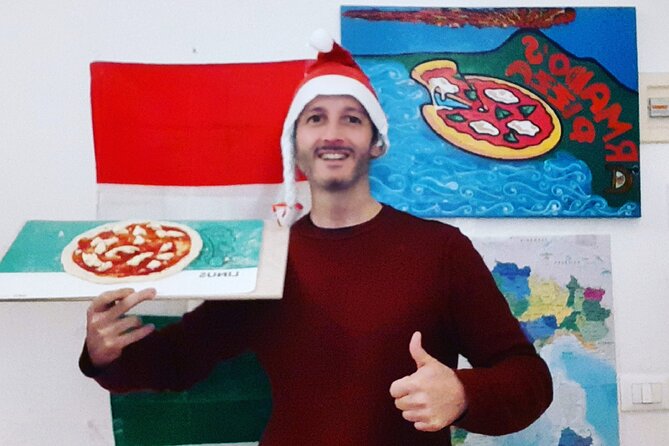
The most useful part of the lesson is the work with the dough. Toppings are easy. Dough requires feel, timing, and a little patience.
Armando explains how to form and smooth the dough and demonstrates the hand movements needed to get the shape right. The technique is not as simple as it looks. You may find that the dough resists your efforts, sticks in the wrong place, or refuses to become the tidy round base you had in mind.
That is exactly why instruction has value. You learn what to do when the dough feels awkward, rather than assuming the finished pizza comes from a secret ingredient. The class gives you a skill you can try again at home, even if your home oven never reaches the same heat as a professional pizza oven.
Armando is also said to be a patient teacher who makes sure people feel comfortable with the process. That is especially useful for families or anyone who does not cook often. A demanding instructor can turn a simple lunch into a test. The tone here is meant to keep the task fun.
The experience includes a look at the origins of pizza and its place in Italian food culture. It is not a full food-history lecture, and the supplied menu lists only Italian pizza, but the background adds meaning to the practical work. You are not just following steps. You are learning why this simple dish became such a powerful part of Italian identity.
From flour to a hot pizza
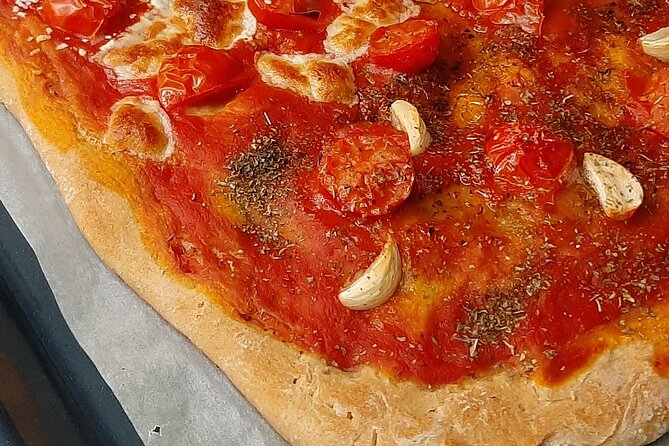
Once the dough is ready, you top your pie and prepare it for the oven. The information provided does not list the exact toppings, baking time, or oven type, so you should not expect a detailed menu in advance.
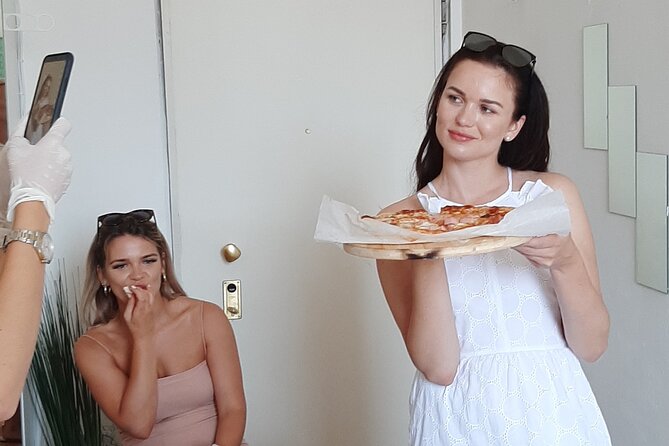
What you can expect is a pizza made through your own work, followed by the best part: eating it hot from the oven. Beverages are served with the meal, and the relaxed setting leaves room for conversation while you eat.
The meal is simple by design. If you want several courses, a long wine pairing, or a lesson covering pasta, gelato, sauces, and desserts, this is not that kind of class. The focus is narrow: understand the dough, make a pizza, and enjoy the result.
That narrow focus can be a strength. In two hours, you have enough time to learn a real technique without turning the activity into an all-day cooking school. Families with limited time in Milan can fit it into a busy schedule, and couples can treat it as an informal midday date.
One important detail: the standard sample menu lists pizza as the main dish. One account describes a pizza and gelato class, but the supplied information for this experience confirms pizza and beverages only. If gelato matters to you, ask before booking rather than counting on dessert.
More film workshops in Italy:
- Introduction to Sculpture in Clay Class at The Florence Studio
★ 5.0 · 2 reviews - Bangkok: White Lotus Thai Cooking Class with Market Tour
★ 5.0 · 285 reviews - The Official Emily in Paris Croissant-Making Workshop
★ 4.9 · 85 reviews - Porto Tile Painting Workshop in artist studio
★ 5.0 · 83 reviews
Armando’s family link and friendly teaching style
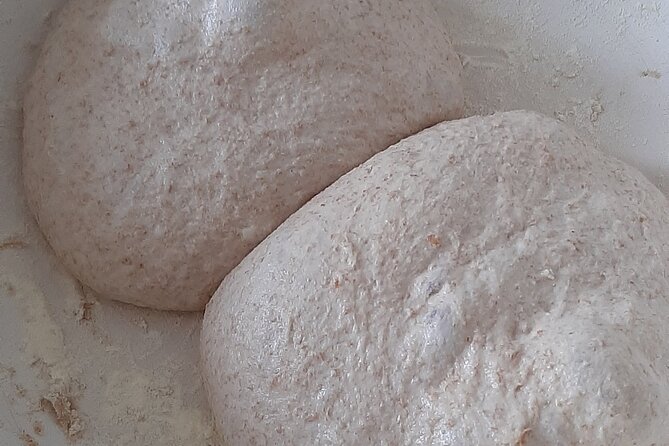
A good cooking class depends as much on the teacher as on the recipe. Armando brings a personal connection to pizza through his grandfather, which gives his explanation of dough a family angle rather than a purely technical one.
He is also described as open, sociable, and able to speak French very well. The class is offered in English, so English is the language you should count on when booking. His ability to speak French may help some people in conversation, but it does not change the listed language of the activity.
You can expect the lesson to include talk about Italy and pizza alongside the cooking. Armando’s interest in travel and other cultures fits the social nature of a small home-style class. You are likely to spend part of the time discussing food, places, and everyday life rather than listening to a rigid script.
That personal exchange is one reason this class may appeal more than a standard restaurant meal. A restaurant gives you a finished pizza. Here, you spend time with the person teaching you how the dish works.
Still, keep the setting in perspective. The experience takes place in an unexpected small studio, not a formal restaurant dining room. If you need a spacious professional kitchen, refined service, or a highly polished presentation, this may not match your expectations.
Is $93.45 a fair price?
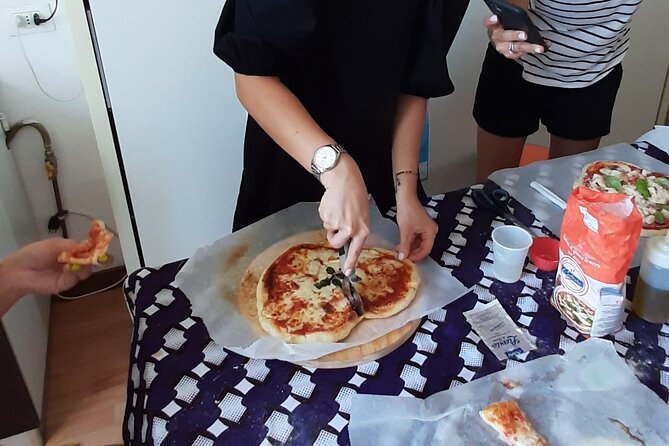
At $93.45 per person, this is a costly way to eat one pizza. You could order pizza in Milan for far less.
The price makes more sense when you count the full experience. You receive about two hours of instruction, hands-on use of the dough, a finished meal, beverages, and time with a host in a group of no more than five. You are paying for the lesson and social setting, not just calories.
I would judge the value by your goal. If you want a cheap lunch, skip it. If you want an activity that gives you something to do, teaches a practical skill, and creates a more personal connection with Milan, the cost is easier to justify.
The small group is especially important in that calculation. A high price for a crowded demonstration would be harder to defend. With only five people, the class has a better chance of giving you direct attention and enough room to practice.
Families should also consider the price carefully. The activity can suit children and adults who enjoy making food, but the cost adds up quickly for a larger family. Couples and small groups may find it easier to view the fee as the price of a shared experience rather than a single meal.
Who will enjoy this two-hour class?
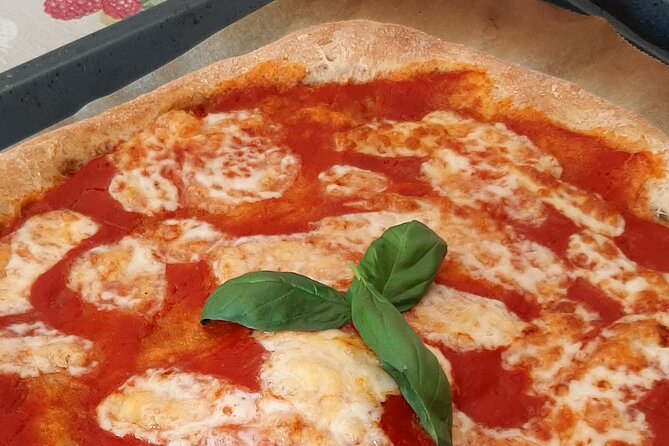
I would recommend it most strongly to:
- Couples looking for a relaxed date activity
- Families who want a break from museums and churches
- Friends who enjoy cooking and conversation
- First-time pizza makers who want patient instruction
- People who prefer a small social experience to a formal food tour
It may be less suitable for you if you want a broad Italian cooking course. The menu focuses on pizza, and there is no confirmed pasta, dessert, or multi-course portion in the supplied details.
It may also disappoint anyone expecting a classic restaurant interior. The small studio setting is part of the charm for some people, but it is worth knowing before you arrive.
The class is offered in English. You should tell the provider about food allergies, dietary needs, or other restrictions when booking. The information does not explain how every restriction can be handled, so provide the details early and ask what is possible.
Practical planning for your Milan day
The noon start is easy to use as a lunch plan. Do not schedule a major timed attraction immediately afterward unless you leave a generous cushion. The activity lasts about two hours, but cooking, eating, and conversation do not always end at the exact minute.
Because the experience returns to the same meeting point, you can plan your next stop from Viale Certosa rather than guessing where the class will finish. Public transportation is nearby, but you still need to confirm your route and allow for Milan traffic or transit delays.
A mobile ticket is provided, and confirmation arrives when you book. The activity allows free cancellation up to 24 hours before the start time. Cancellations made less than 24 hours in advance are not refunded, and changes inside that window are not accepted.
The food restriction rule deserves attention. Do not wait until you arrive to mention an allergy or special diet. Send the information ahead of time so Armando and the provider have a chance to respond.
My call: book it for the hands-on time
Book this class if you want to make pizza, meet a friendly host, and spend two hours in a small group rather than simply sit down for lunch. Armando’s patient teaching, family connection to dough, and easy conversation are the strongest reasons to choose it.
Think twice if you are mainly seeking a bargain meal, a grand kitchen, or a wide menu. At $93.45, the value rests in the instruction and personal setting. For a couple, a small group of friends, or a family that enjoys food activities, that can be worth it. For anyone wanting a cheap slice, it is not.
FAQ
Where does the pizza class begin?
The class begins at Viale Certosa, 20151 Milano MI, Italy.
Where does the experience end?
The activity ends back at the meeting point on Viale Certosa.
What time does the class start?
The listed start time is 12:00 pm.
How long does the experience last?
The class lasts approximately two hours.
What language is the class offered in?
The experience is offered in English.
Who hosts the pizza-making class?
The host is Armando, a sports enthusiast who enjoys travel and meeting people from different cultures.
What food is included?
The sample menu lists Italian pizza as the main dish. Your pizza is served hot from the oven with beverages.
How many people can join?
The activity has a maximum of five people.
Can I cancel for a full refund?
Yes. You can cancel at least 24 hours before the local start time for a full refund. Cancellations made less than 24 hours before the start time are not refunded.
Just added around Italy
- The Godfather★ 5.0 · 13 reviews
- Godfather Tour and Taormina★ 5.0 · 5 reviews
- The White Lotus Private Boat Tour Taormina and Giardini Naoxos★ 4.5 · 16 reviews
- Godfather tour★ 5.0 · 14 reviews
- Best of Godfather and Taormina Tour with Street Food Tasting★ 5.0 · 3 reviews
- Godfather Private Tour from Messina cruise port★ 5.0 · 5 reviews
- NETFLIX Family Experience in Sardinia, Blue Zone Longevity – Meet, Cook and Eat★ 5.0 · 10 reviews
- Colosseum Gladiator’s Arena and Ancient Rome Tour★ 4.5 · 7 reviews
Italy Film Location Tours, compared.
Colosseum Tour with Access to the Gladiator Arena
Read our review →
Gladiator’s Gate: Special Access Colosseum Tour with Arena Floor
Read our review →
Colosseum Arena Floor, Roman Forum & Palatine Hill Tour
Read our review →
Roman Gladiator School: Learn How to Become a Gladiator
Read our review →
Full Day Tour to Val d’Orcia and Gladiator’s Fields with Wines
Read our review →
Gladiator’s Gate and Arena Special Colosseum Access
Read our review →
Browse the lists this tour appears in