
REVIEW · ITALY
The Marvels of Rome: A Journey through Time and Landmarks
Rome reveals itself best on foot, one grand square at a time. This 2 to 3-hour walk links Piazza del Popolo, the Spanish Steps, Trevi Fountain, the Pantheon, and Piazza Navona in a tidy north-to-south route through the city center.
I like the way the tour brings together Rome’s major landmarks without asking you to plan several separate visits. I also like the personal guiding, with Camilla praised for finding good photo spots and Estefania noted for her gracious, engaging style. The main drawback is pace: twenty minutes at several stops is enough for an introduction, but not for a long visit inside every site.
Key points to know before you book
- Five famous stops in one walk: See Piazza del Popolo, the Spanish Steps, Trevi Fountain, the Pantheon, and Piazza Navona.
- A clear north-to-south route: Begin at Basilica Parrocchiale di Santa Maria del Popolo and finish beside Bernini’s fountains.
- English-language guiding: The tour is offered in English, with guides including Camilla and Estefania named in customer feedback.
- Short visits, strong overview: Most stops last about 20 minutes, while the Pantheon receives 30 minutes.
- Small maximum group: The group is limited to 20 people, which should make it easier to hear the guide.
- Flexible cancellation: Cancel at least 24 hours before the start for a full refund, subject to the weather and minimum-group rules.
A smart first look at central Rome
This is the sort of tour I would use early in a Rome visit. It gives you a map in your head before you tackle longer museum visits, crowded churches, or a return visit to the places that catch your eye.
The route is built around public squares and famous monuments rather than a single museum. That matters because Rome’s most memorable moments often happen between the headline sights: a fountain appearing at the end of a street, a church facade opening onto a square, or an ancient building still serving as part of everyday city life.
You meet at Basilica Parrocchiale di Santa Maria del Popolo, at Piazza del Popolo, 12. The tour ends at Piazza Navona. This one-way design is useful. You do not finish where you started and then need to retrace your steps, though you should plan your next activity from Piazza Navona rather than from the meeting point.
The activity is offered in English and uses a mobile ticket. The group can include up to 20 people. That is not a private tour, but it is a manageable size for a city walk, especially when the guide is explaining details beside a busy fountain or in a crowded square.
Other filming locations people visit in Rome:
- Rome: Colosseum Tour with Access to the Gladiator Arena
★ 4.4 · 7,046 reviews - Gladiator’s Gate: Special Access Colosseum Tour with Arena Floor
★ 4.5 · 4,037 reviews - Colosseum Arena Floor, Roman Forum & Palatine Hill Tour
★ 4.5 · 1,568 reviews
Piazza del Popolo sets the tone
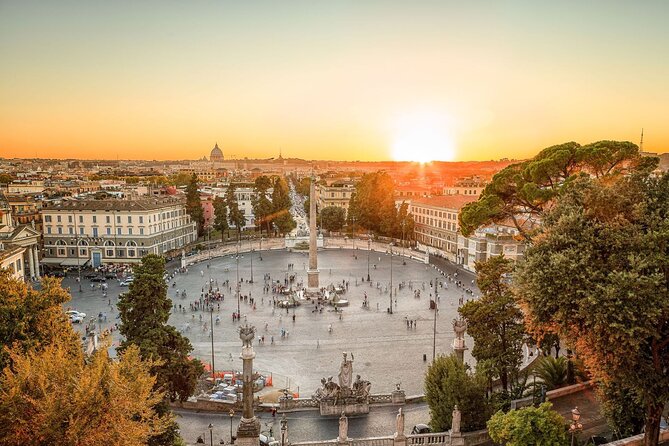
Your first stop is Piazza del Popolo, where you have about 20 minutes. The square is a broad, formal gateway into central Rome, with grand architecture and a strong sense of arrival.
The meeting point at Santa Maria del Popolo gives this opening stop extra interest. You are not starting at a random street corner. You begin beside a major church in one of Rome’s best-known public spaces, then hear how the square fits into the city’s larger story.
I would use these first minutes to get oriented and listen for the guide’s outline of the route. The stop is not long enough to inspect every architectural detail, so do not expect a full church tour or a leisurely look at every feature. Think of it as a visual introduction and a chance to settle into the walk.
This is also where the guide’s style begins to matter. A good city guide helps you notice the shape of the square, the direction of the streets, and the relationship between the monuments. Camilla received especially strong praise for explaining the background of the landmarks while also helping the group find useful places for photographs.
The Spanish Steps and Rome’s polished center
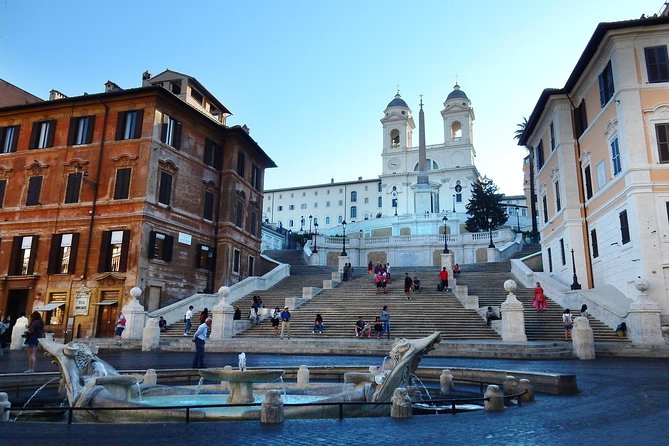
The walk continues to the Spanish Steps, with roughly 20 minutes here. The staircase rises from the square below, surrounded by luxury shops, cafes, and steady foot traffic.
The appeal is not only the stairs themselves. This is one of the places where Rome’s old architecture and modern shopping district sit directly beside each other. You get a quick lesson in how the city works today, with historic stone, designer storefronts, cafes, and people passing through the same compact space.
Your guide can add the context that a quick photo stop cannot provide on its own. You will have time to admire the staircase and take pictures, but not necessarily time for a long pause at a cafe. If you want to shop or sit for a drink, save that for another visit.
The area can feel crowded, especially around the steps. Stay close enough to hear the guide and keep track of the group. The short stop is a benefit if you want to see the landmark without spending half a morning there. It is a limitation if the Spanish Steps are high on your personal list and you want quiet time.
Trevi Fountain rewards a patient look
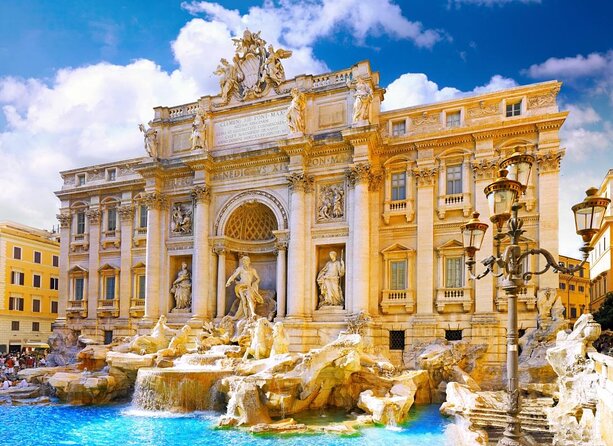
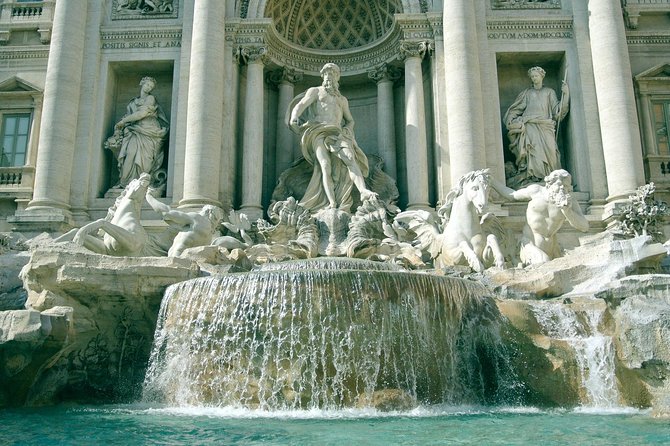
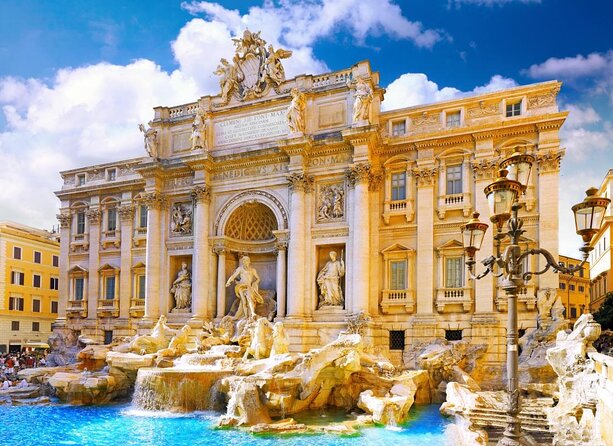
Trevi Fountain receives another 20-minute stop. This is one of Rome’s most theatrical public places, with water, sculpture, stone, and a steady stream of people gathered around it.
The familiar coin toss is part of the visit. The tradition says that tossing a coin into the fountain will help ensure your return to Rome. It is a small ritual, but it gives the stop a personal touch and costs little apart from the coin itself.
You should expect company here. The fountain is popular, and getting a clear view can take patience. The guide’s help is useful because a good position for photographs may not be obvious when the square is crowded. Camilla was specifically praised for working to place the group in good photo spots despite the crowds.
Twenty minutes is enough to see the fountain, hear its basic story, take pictures, and take part in the coin tradition. It is not enough for a long, quiet study of the sculpture. If you want that, return at another time and give yourself more freedom to stand back and look.
Same place, a completely different screen:
- Roman Gladiator School: Learn How to Become a Gladiator
★ 4.5 · 1,477 reviews - Castel Sant’Angelo Tour with Panoramic Views
★ 4.5 · 1,103 reviews - Rome: Gladiator’s Gate and Arena Special Colosseum Access
★ 4.7 · 796 reviews - Rome: 2-Hour Gladiator School
★ 4.7 · 630 reviews
The Pantheon gets the longest stop
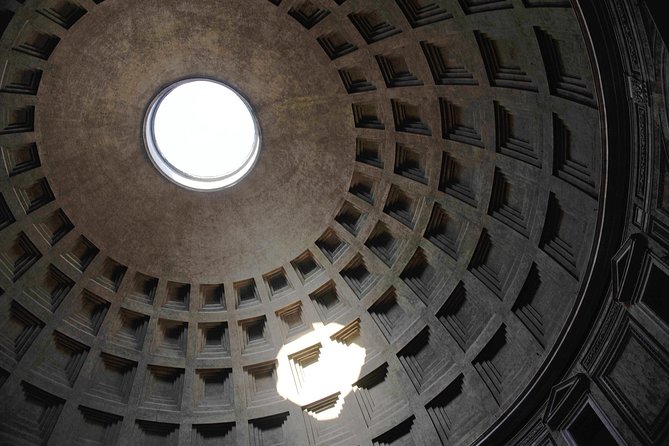
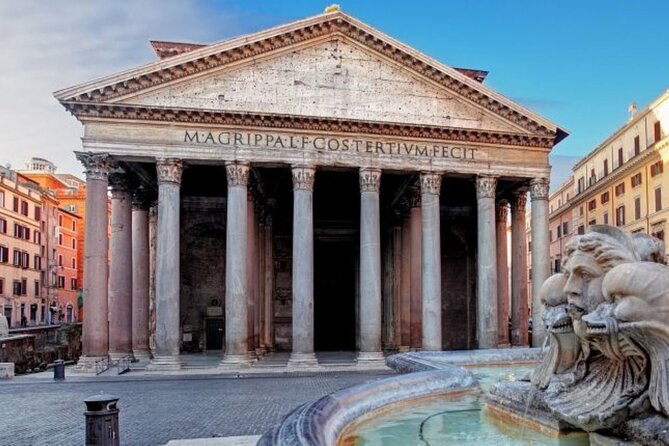
The Pantheon is the most substantial stop on the route, with about 30 minutes. That extra time makes sense. This ancient Roman building is famous for its enormous dome and the opening at its center, and the interior has a scale that photographs do not fully convey.
Here the tour shifts from outdoor squares to a major historic structure. Your guide can help you read the building rather than simply walk in, look up, and leave. The value of a short guided visit is the explanation of what you are seeing: the dome, the architecture, and the way this ancient building remains part of Rome’s working city center.
The supplied information lists admission as free for each stop, including the Pantheon. Even so, conditions at major monuments can change, so you should follow the guide’s instructions on entry and timing. The tour itself does not promise an extended interior visit, and 30 minutes remains a compact window.
For many people, this will be the emotional center of the walk. The Spanish Steps and Trevi Fountain are famous public scenes. The Pantheon gives you a stronger sense of time and construction. Look up slowly. The dome deserves more than a quick phone photo.
Piazza Navona finishes with Baroque drama
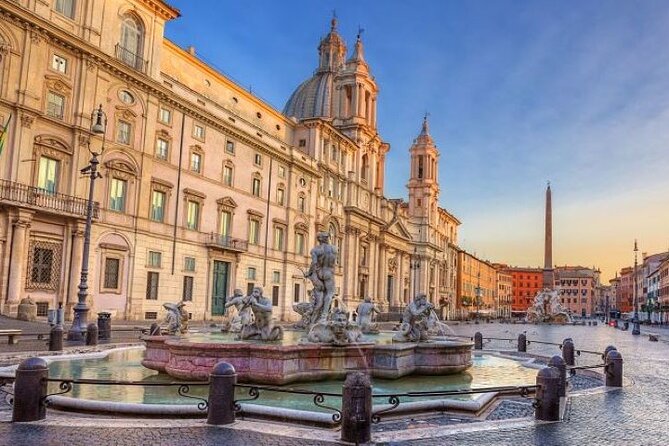
The final stop is Piazza Navona, where the tour ends after about 20 minutes. This long, elegant square is known for its Baroque buildings, fountains, cafes, street performers, and public energy.
Bernini’s fountains take center stage here. The square works well as a finishing point because it is not just a monument to check off. It is a place to linger after the guide departs, find a cafe, or continue exploring nearby streets.
The ending is practical too. You finish in a lively part of central Rome rather than returning to Piazza del Popolo. If you are planning lunch, more sightseeing, or a relaxed walk afterward, Piazza Navona gives you a natural base.
Do not expect the guide to cover every church, fountain, or side street around the piazza in detail. The stop is designed as the conclusion to a highlights walk. You will leave with a useful overview, then can choose where to spend more time.
What the guides add to the walk
The strongest part of this experience is likely to be the person leading it. The route itself is easy to identify on a map. The guide gives the stops order, context, and a human voice.
Camilla was praised for making the landmarks understandable, keeping the group entertained, and helping with photographs in crowded places. Estefania was described as gracious and well informed, with a style that made walking through Rome’s streets feel engaging rather than rushed. Marianne was also praised for enthusiasm, knowledge, and friendly banter, though one comment connected her with the Colosseum rather than clearly with this exact five-stop route.
That last point is worth handling carefully. Guide names and assignments can change. You may not get one of those specific guides on your date, but the feedback shows the sort of guiding style this operator aims for: clear history, good energy, and attention to the group.
I would book this tour if you prefer interpretation to simply following a map. If you already know Rome well, the information may feel basic at some stops, but the route can still save you planning time.
Timing, walking, and group comfort
The advertised duration is approximately 2 to 3 hours. The listed stop times total about 110 minutes, leaving the rest for walking between locations, gathering the group, and handling the normal delays of a busy city.
You should wear comfortable shoes and be ready for a steady urban walk. A moderate level of physical fitness is requested. The route includes public squares and city streets, and the day may involve standing while listening.
The group maximum is 20 people. That keeps the experience more personal than a very large city tour, though it is still possible for the group to spread out near fountains or narrow streets. Listen for meeting instructions and keep the guide in sight.
The tour is near public transportation, which makes reaching the starting point easier. The exact transport plan is not specified, so check your route to Piazza del Popolo before the start time. Service animals are allowed.
Because the experience requires good weather, rain can affect the schedule. If poor weather causes cancellation, you are offered another date or a full refund. The same applies if the minimum number of participants is not met.
Is the route good value?
No price is provided here, so I cannot judge the exact cost. I can still explain what you are paying for: an English-speaking guide, a planned route through five major Roman sights, local context, and help making sense of crowded public spaces.
The listed admission for the stops is free. That means the value is not based on bundled entry tickets. It depends on how much you want a guide to organize the route and explain what you are seeing.
For a first visit, that can be worthwhile. You get a compact overview without spending your first day working out how to connect these places. You also finish with a clear idea of which sights deserve a longer return visit.
For an independent visitor who already has a detailed Rome plan, the value is less certain. You may prefer to move at your own speed, spend an hour at the Pantheon, or wait for a quieter moment at Trevi Fountain. This tour trades that freedom for structure and company.
Who should book this Rome walk?
I would recommend it to a first-time visitor who wants the city’s central landmarks explained in one sitting. It also suits you if you like history in manageable portions, prefer walking to transport between nearby sights, or want practical help with photos in crowded places.
Families and mixed-age groups may appreciate the short stops, though everyone should be comfortable walking and standing. A small group limit and English guiding make it easier to follow than an enormous general tour.
I would be more cautious if you want deep interior visits, extensive free time, or a private guide. The schedule is a highlights tour, not a slow architectural study. The Pantheon receives the longest stop, but the route still moves on.
The free cancellation policy adds some flexibility. You can receive a full refund if you cancel at least 24 hours before the start time. Changes or cancellations inside that window are not accepted and are not refunded, so do not wait until the last day if your plans are uncertain.
Should you book The Marvels of Rome?
Book it if you want an efficient first orientation to central Rome, a friendly English-speaking guide, and the convenience of seeing five major landmarks in one route. The best reasons are the logical finish at Piazza Navona, the useful photo help at crowded sights, and the personal guiding style associated with names such as Camilla and Estefania.
Skip it if you want long visits at each monument or prefer to explore without a schedule. With free admission listed for the stops, the tour fee is paying for guidance and organization rather than entry tickets. For a first day in Rome, that can be a fair trade. For a repeat visit, you may be better off choosing two or three of these places and giving them more time.
FAQ
How long does The Marvels of Rome tour last?
The experience lasts approximately 2 to 3 hours. The listed stops include about 20 minutes each at Piazza del Popolo, the Spanish Steps, Trevi Fountain, and Piazza Navona, plus about 30 minutes at the Pantheon.
Where does the tour begin?
The meeting point is Basilica Parrocchiale di Santa Maria del Popolo, Piazza del Popolo, 12, 00187 Roma RM, Italy.
Where does the tour end?
The tour ends at Piazza Navona, 00186 Roma RM, Italy, beside the square’s fountains, cafes, and street performers.
Is the tour offered in English?
Yes. The experience is offered in English and uses a mobile ticket.
How large can the group be?
The maximum group size is 20 people.
What is the cancellation policy?
You can cancel at least 24 hours before the start time for a full refund. Cancellations or changes made less than 24 hours before the start are not accepted and are not refunded. Poor weather or failure to reach the minimum number of participants may lead to a different date or a full refund.
Just added around Rome
- Colosseum Gladiator’s Arena and Ancient Rome Tour★ 4.5 · 7 reviews
- 3-Hour Colosseum Gladiator’s Arena and Ancient Rome Tour★ 4.5 · 8 reviews
- The Colosseum Arena & Gladiator Chronicles Private Tour★ 5.0 · 14 reviews
- Rome : Arena of Gladiators Tour with Forum Access★ 4.0 · 6 reviews
- From Colosseum Gladiators to Via Sacra: Rome’s Historic Heart★ 5.0 · 12 reviews
- Tour of Gladiators Arena and Colosseum with Imperial Forum★ 4.5 · 8 reviews
- Colosseum & Roman Forum with Gladiator Arena For Kids & Families★ 5.0 · 2 reviews
- Marvels Of Rome At Night – Private Tour★ 4.5 · 26 reviews
Italy Film Location Tours, compared.
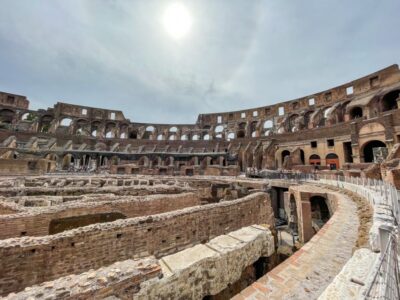
Colosseum Tour with Access to the Gladiator Arena
Read our review →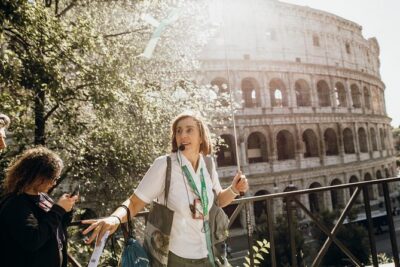
Gladiator’s Gate: Special Access Colosseum Tour with Arena Floor
Read our review →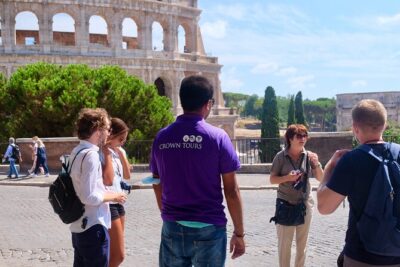
Colosseum Arena Floor, Roman Forum & Palatine Hill Tour
Read our review →
Roman Gladiator School: Learn How to Become a Gladiator
Read our review →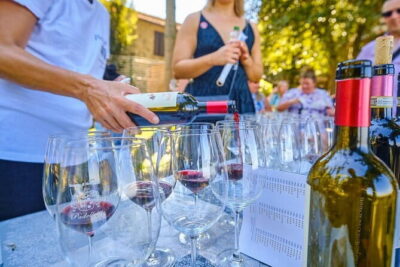
Full Day Tour to Val d’Orcia and Gladiator’s Fields with Wines
Read our review →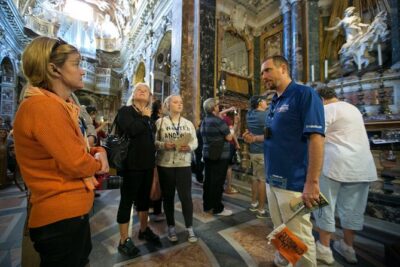
Gladiator’s Gate and Arena Special Colosseum Access
Read our review →
Browse the lists this tour appears in