
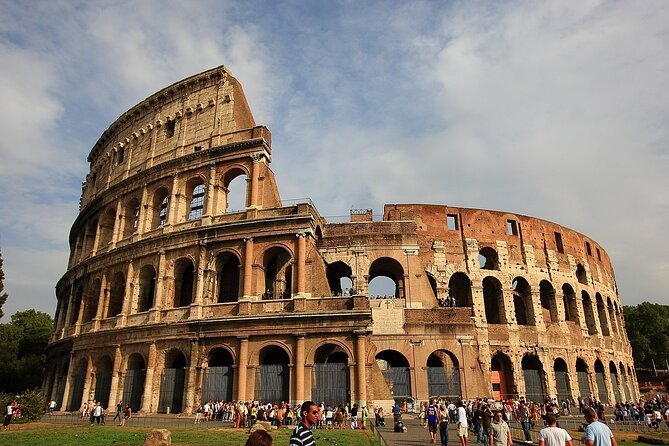
REVIEW · ITALY
From Gladiators to Emperors: Colosseum & Ancient Rome Guided Tour
The most useful thing about this three-hour tour is its tight focus: you visit the Colosseum, Roman Forum, and Palatine Hill in one morning or afternoon, without having to arrange separate tickets or work out the route yourself. For a first visit to Rome, that covers the ancient city’s essential sights in a sensible order.
I like that admission and the Colosseum reservation fee are included, and that a headset helps you follow the guide inside a crowded monument. I also like the group limit of 20, which is small enough for questions without promising a private tour. The main concern is organization: some bookings have involved unclear meeting instructions, wrong tickets, or missed guide connections, so you should arrive early with matching identification and your booking details ready.
Key points to know before booking
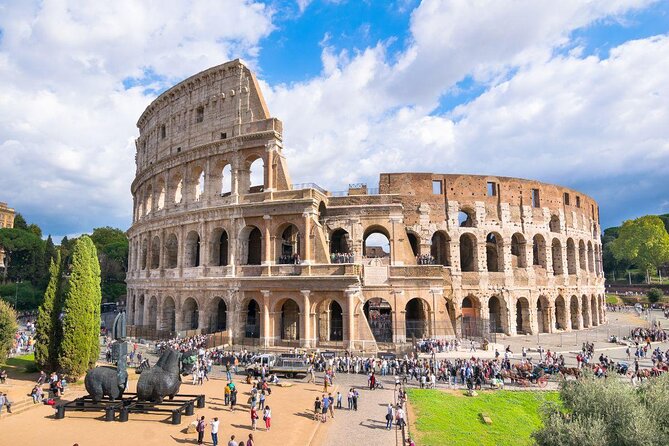
- Three major ancient sites in three hours: The route covers the Colosseum, Roman Forum, and Palatine Hill without adding unrelated stops.
- Tickets are included: The package covers the €18 entrance ticket and €2 Colosseum reservation fee.
- A guide adds context: You get an official local guide and headset rather than simply walking through the ruins alone.
- Maximum group size is 20: This is more personal than a large crowd, but it is not a private tour.
- The meeting point is specific: Start at the Arch of Constantine in Piazza del Colosseo, then return there at the end.
- Names must match identification: Every person needs a passport or ID matching the full name supplied at booking.
What this Rome tour actually covers
Rome can make ancient history feel like a guessing game. You see broken columns, arches, and walls, but without context it is hard to know what you are looking at or why it mattered. This tour gives you a guide for the three sites most closely tied to ancient Rome’s public life and imperial power.
The schedule allows about one hour at the Colosseum, 45 minutes in the Roman Forum, and 45 minutes on Palatine Hill. That is enough for a well-planned introduction, but it is not an archaeological marathon. You will see the principal areas and hear the main stories, while leaving plenty of smaller details for another visit.
The experience is offered in English. A headset is included, which matters in the Colosseum and Forum, where nearby groups, traffic, and general crowd noise can make a guide difficult to hear. The maximum group size is 20 people, so you should expect a shared tour rather than a quiet, personal conversation with the guide.
More guided location tours in Rome:
- Rome: Angels and Demons Guided Tour
★ 4.7 · 610 reviews - Express Colosseum: Semi-Private Guided Tour with Max 6 People
★ 5.0 · 217 reviews - Colosseum Gladiator’s Arena and Ancient Rome VIP Guided Tour
★ 4.0 · 214 reviews
Meeting at the Arch of Constantine
The tour begins at the Arch of Constantine, beside the Colosseum in Piazza del Colosseo. This is a logical place to start because the arch sits directly beside the amphitheater and is easy to connect with the first part of the visit.
The practical challenge is finding the correct people at a busy archaeological hub. Do not arrive at the last minute. Give yourself time to locate the meeting point, check the names on your booking, and identify the tour staff. The supplied information does not promise hotel pickup, so you must make your own way to the Arch of Constantine.
Keep your voucher accessible on your phone, and carry the passport or ID used during booking. The names of all travelers must appear correctly on the reservation. A mismatch can lead to denied entry to the Colosseum and Roman Forum, which is a serious problem when timed admission is involved.
The tour ends back at the meeting point. That makes it easier to continue sightseeing in central Rome, but the activity does not include food, drinks, or transport after the visit.
Entering the Colosseum for one focused hour
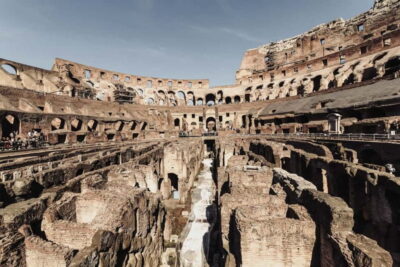
The Colosseum is the emotional centerpiece of the route. Its great arches and weathered stone are impressive from outside, but the inside gives you a better sense of its scale and purpose. This was an amphitheater built for public spectacles, with seating, performance areas, and a design that moved large crowds through the building.
You have about one hour here, including admission with the group. That time calls for a guide who keeps the explanation moving. The best part of a guided visit is not simply hearing dates. It is learning how the building functioned, who used it, and how public entertainment fit into Roman society.
The Colosseum can be crowded and acoustically difficult. The headset should help you hear the guide, although equipment quality can vary. Check early that your headset works. If you cannot hear, tell the guide promptly rather than waiting until the group has moved several rooms or levels ahead.
The tour includes the Colosseum entrance ticket and a reservation fee. That removes one of the most important planning tasks, since entry is tied to a booking. The listed ticket value is €18 per person, with a €2 reservation fee, while the total tour price is $62.48. In other words, part of what you pay covers admission, and the remainder pays for the guide, organization, headset, and convenience.
Walking through the Roman Forum in 45 minutes
After the Colosseum, the route moves to the Roman Forum. This was ancient Rome’s central public space, where politics, religion, business, speeches, elections, ceremonies, and celebrations came together.
The Forum is rewarding, but it can be confusing without help. Ruins are spread across an open archaeological area, and many buildings survive only as foundations or partial walls. A guide can point out the Senate House, the Temple of Saturn, the Temple of Vesta, the Basilica Julia, the Rostra, and the Arch of Septimius Severus.
You have about 45 minutes here. That is enough to understand the Forum’s role and see major remains, but not enough to study every temple or wander every path. I would treat this part as a clear orientation rather than a complete examination of the site.
Wear practical shoes. The route includes outdoor archaeological ground, and the Forum is not a polished museum floor. The supplied details do not specify the exact walking route or surface conditions on the day, so you should be prepared for a fair amount of walking between ruins.
The Forum is also where a disorganized handoff can cause trouble. Keep your group in sight and listen for instructions before moving on. If the guide steps away to collect another group, confirm where you are expected to wait and how long the pause will last.
Same place, a completely different screen:
- Rome: Colosseum Tour with Access to the Gladiator Arena
★ 4.4 · 7,046 reviews - Gladiator’s Gate: Special Access Colosseum Tour with Arena Floor
★ 4.5 · 4,037 reviews - Colosseum Arena Floor, Roman Forum & Palatine Hill Tour
★ 4.5 · 1,568 reviews - Roman Gladiator School: Learn How to Become a Gladiator
★ 4.5 · 1,477 reviews
Reaching Palatine Hill for the wider view
Palatine Hill rises above the Roman Forum and is traditionally linked with the founding of Rome by Romulus in 753 BCE. It is also where Rome’s early rulers and later emperors built residences, temples, and grand homes.
The 45-minute visit gives you time to explore part of the archaeological area and look down toward the Forum and Circus Maximus. Those views help you understand how the Forum fit into the larger city. From above, the ruins stop looking like isolated fragments and start making more sense as parts of a major urban center.
The hill includes remains connected with imperial palaces, as well as the House of Augustus and House of Livia. The visit is especially useful after the Forum because you have already seen the public center below. Palatine Hill then adds the private and imperial side of Roman power.
There is a tradeoff. The hill is broad, and 45 minutes passes quickly. You will not inspect every ruin or explore every path in depth. If you love archaeology and want time for close study, plan a separate return visit or choose a longer experience. If you want a first look at the main sites, the schedule is efficient.
How much value do you get for $62.48?
At $62.48 per person, this is not the cheapest way to enter the Colosseum complex. You could potentially find admission on its own for less, but a self-guided visit leaves you to handle reservations, site order, and interpretation.
The included ticket value is €20 per person, counting the €18 entrance ticket and €2 reservation fee. The rest pays for the official local guide, headset, and tour service. That extra cost makes the most sense if you have limited time, are visiting Rome for the first time, or prefer to understand the ruins as you go.
The value is weaker if you already know ancient Roman history, dislike group pacing, or want to linger over specific buildings. The tour gives you a framework, not unlimited time. You are paying for direction and explanation as much as for admission.
The booking pattern, with reservations often made about 65 days ahead, suggests that you should not leave planning until the last moment. The tour may be particularly useful when your Rome schedule depends on a fixed Colosseum entry time. Still, check the exact date and meeting instructions carefully before paying.
Guide quality can shape the whole visit
A strong guide is the reason to choose this format. Good guiding turns a field of stones into a sequence of human decisions, ceremonies, ambitions, and conflicts. It also keeps the group moving when the sites are busy.
The supplied feedback is mixed, which is important. Several accounts describe guides who explained the history clearly, answered questions, kept a good pace, and made the sites more meaningful than a solo walk. One guide named Paola was praised for keeping people engaged and moving during bad weather. Those comments point to the best possible version of the experience.
There are also serious concerns about communication. Some bookings involved guides who could not be found at the meeting point, incorrect tickets, a person being refused entry, or a group being directed to the wrong location. Another account describes a long wait outside the Forum while the tour operator collected additional people.
These problems do not mean every departure will be disorganized, but they do affect the booking decision. Confirm the meeting location before the day, arrive early, and do not separate from your group without clear instructions. If you are booking several people in separate transactions, contact the provider in advance to make sure everyone is assigned to the same departure.
Group size, pace, and physical demands
A maximum of 20 people is a reasonable middle ground. You avoid the scale of a large coach tour, but you should not expect the guide to tailor every explanation to your interests.
The pace is active. In three hours, you move through three substantial archaeological sites, mostly outdoors. The information provided says most people can participate and that service animals are allowed, but it does not provide a detailed accessibility route. If you have specific mobility needs, ask the provider before booking.
Weather matters because much of the Forum and Palatine Hill visit takes place outside. Bring suitable clothing and water, since food and beverages are not included. A rainy day need not ruin the tour, but it can make the open areas less comfortable and the stone paths more demanding.
The headset is an important part of the format. It lets you stay with the group while hearing the explanation, especially in crowded areas. Test it at the beginning, and tell the guide if the sound is weak or unclear.
Who should book this experience?
I would recommend this tour to a first-time Rome visitor who wants the ancient city explained in a single, manageable outing. It is also a good fit if your schedule is tight and you want the Colosseum, Forum, and Palatine Hill handled together.
Families may appreciate the focused route and the guide’s ability to turn ruins into stories, though the three-hour walk may be tiring for young children. History fans should enjoy the range of sites, but anyone wanting detailed archaeological study will probably find the time limits restrictive.
You should think twice if you are uncomfortable with strict entry requirements, shared group pacing, or the risk of meeting-point confusion. The need for matching names and identification is not a minor detail. Make sure every booking is correct before arrival.
Cancellation is allowed for a full refund only when made at least 10 full days before the start time. Changes made inside that period are not accepted, and late cancellations are not refunded. The activity can also be canceled if its minimum number of participants is not reached, in which case you are offered another date, another experience, or a full refund.
Should you book the Colosseum and Ancient Rome tour?
Book it if you want an efficient introduction to Rome’s ancient center, value having a guide explain what you are seeing, and prefer included tickets over planning each entry yourself. The Colosseum, Forum, and Palatine Hill make a strong three-hour route, and the $62.48 price is reasonable for visitors who value structure and interpretation.
Before committing, make sure every traveler’s full name is correct, bring matching ID, confirm the Arch of Constantine meeting point, and arrive early. If your priority is maximum flexibility or close archaeological study, buy admission separately and explore at your own pace. For most first-time visitors with limited time, this tour is useful, provided you are willing to manage the meeting details carefully.
FAQ
How long does the tour last?
The tour lasts approximately three hours.
Which sites are included?
The tour includes the Colosseum, Roman Forum, and Palatine Hill.
Are entrance tickets included?
Yes. The Colosseum, Roman Forum, and Palatine Hill entrance ticket is included, along with the Colosseum reservation fee.
What is the listed ticket value?
The entrance ticket is listed at €18 per person, and the Colosseum reservation fee is listed at €2 per person.
What language is the tour offered in?
The tour is offered in English.
Where does the tour begin?
It begins at the Arch of Constantine in Piazza del Colosseo, 00184 Rome.
Where does the tour end?
The activity ends back at the meeting point.
How large can the group be?
The maximum group size is 20 travelers.
Do I need identification?
Yes. Each traveler must present a valid passport or ID matching the name provided at booking.
Is hotel pickup included?
No. Hotel pickup is not included. Food and beverages are not included either.
Just added around Rome
- Colosseum Gladiator’s Arena and Ancient Rome Tour★ 4.5 · 7 reviews
- 3-Hour Colosseum Gladiator’s Arena and Ancient Rome Tour★ 4.5 · 8 reviews
- Rome : Arena of Gladiators Tour with Forum Access★ 4.0 · 6 reviews
- The Colosseum Arena & Gladiator Chronicles Private Tour★ 5.0 · 14 reviews
- From Colosseum Gladiators to Via Sacra: Rome’s Historic Heart★ 5.0 · 12 reviews
- Tour of Gladiators Arena and Colosseum with Imperial Forum★ 4.5 · 8 reviews
- Colosseum & Roman Forum with Gladiator Arena For Kids & Families★ 5.0 · 2 reviews
- Marvels Of Rome At Night – Private Tour★ 4.5 · 26 reviews
Italy Film Location Tours, compared.
Colosseum Tour with Access to the Gladiator Arena
Read our review →
Gladiator’s Gate: Special Access Colosseum Tour with Arena Floor
Read our review →
Colosseum Arena Floor, Roman Forum & Palatine Hill Tour
Read our review →
Roman Gladiator School: Learn How to Become a Gladiator
Read our review →
Full Day Tour to Val d’Orcia and Gladiator’s Fields with Wines
Read our review →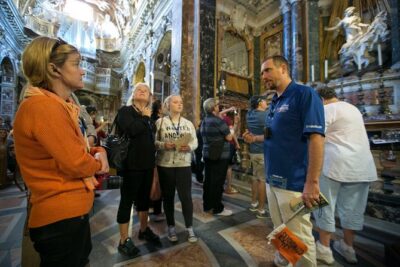
Gladiator’s Gate and Arena Special Colosseum Access
Read our review →
Browse the lists this tour appears in