
REVIEW · ITALY
Cinematic & Classical Organ Experience in Historic Church
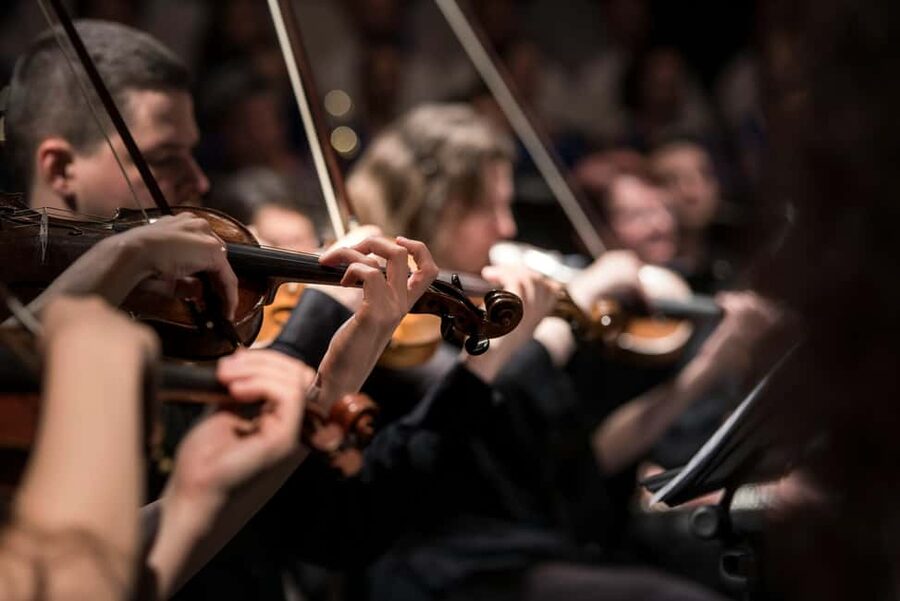
The remarkable thing here is how one pipe organ can suggest an entire orchestra inside a 16th-century church. The program moves from Italian classical pieces to film music, including Interstellar, Ennio Morricone, and Game of Thrones, so you hear the instrument in several moods rather than sitting through a routine organ recital.
I like the one-hour length, which fits neatly into a day in Milan, and the clear musical comparisons between old masters and modern cinema. The powerful sound in the church is the main attraction. The drawback is that this is more a guided listening experience than a full sightseeing tour, so anyone wanting a long concert or a detailed architectural visit may find it brief.
Key points
- The pipe organ takes the role of an orchestra, shifting from solemn classical tones to dramatic film scores.
- Maestro De Vita leads the performance, with explanations available in English or Italian.
- Church of Sant’Angelo provides the setting, with historic stonework and strong natural acoustics.
- The program includes Italian music, Interstellar, Morricone, and Game of Thrones, giving the hour a broad musical range.
- At $29 per person, the experience offers a focused cultural stop rather than a long concert or general church tour.
- Free cancellation up to 24 hours before the start and reserve-now, pay-later booking make it easier to fit into a Milan schedule.
Why this organ experience feels different from a standard concert
Many church concerts ask you to sit quietly and let the music wash over you. This experience takes a different route. The performance explains what you are hearing and why the church matters to the sound.
The pipe organ is often called the King of Instruments, and that nickname makes sense once you hear its range. It can produce a single solemn line, a bright musical flourish, or a wall of sound that fills the building. Here, the organist uses those changes to show how the instrument can mimic the force and variety of an orchestra.
That makes the program useful even if you are not an organ expert. You do not need to know the names of many composers or understand the mechanics of every pipe. You simply need to listen for the contrast between pieces.
The program links Italian classical music with familiar cinema. Ennio Morricone brings a clear Italian connection, while Interstellar and Game of Thrones show how modern screen music uses space, repetition, tension, and volume to shape emotion. The result is easier to follow than a program made up only of unfamiliar church music.
More history behind the scenes in Italy:
- Guided Cultural Tour of the Godfather Film in Messina
★ 5.0 · 31 reviews - From Messina : Savoca and Taormina; history, cinema and dreamlike views
★ 5.0 · 20 reviews - From Colosseum Gladiators to Via Sacra: Rome’s Historic Heart
★ 5.0 · 12 reviews
Entering the Church of Sant’Angelo in Milan
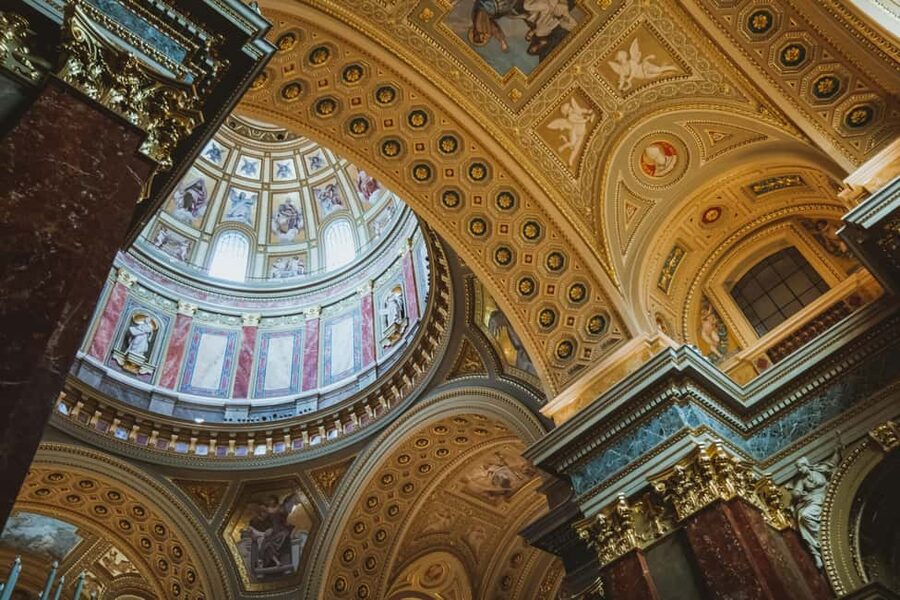
The setting is the monumental Church of Sant’Angelo, also identified in the experience information as Santa Maria degli Angeli. The church dates to the 16th century, giving the music a serious architectural frame rather than a modern performance hall.
That setting matters. Organ sound is not just produced by the instrument. It spreads through the room, rebounds from hard surfaces, and changes according to the size and shape of the building. A church can make a single note feel larger and longer than you expect.
You will spend the hour inside this spiritual venue, listening to the instrument and receiving context about the architecture, the music, and the art connected to the space. The aim is not to rush you through a list of church details. Instead, the building becomes part of the performance.
The atmosphere may suit you especially well if you like quiet cultural stops. This is a chance to pause between Milan’s busier sights and give your attention to sound. It is also a good option for a rainy hour, a warm break from summer streets, or an evening plan that does not depend on a long meal.
One practical point: the rules ask you not to wear tight clothing. Smoking, bicycles, alcohol, and drugs are also not allowed indoors. Dress respectfully and treat the church as a religious building first, performance venue second.
How the one-hour musical journey unfolds
The experience is structured rather than presented as an unannounced sequence of pieces. The organist introduces the instrument, explains its range, and demonstrates how different sounds create different effects.
You should expect three connected parts.
First comes the introduction to the pipe organ itself. This is where you learn why the instrument can imitate the scale of an orchestra. The demonstration helps you notice changes in tone, volume, and mood instead of hearing the organ as one continuous block of sound.
Next comes the comparison between Italian classical music and modern cinematic music. Italian masters provide the traditional side of the program, with a more solemn and formal character. Film themes then show how similar musical tools can create suspense, grandeur, wonder, or melancholy.
Finally, the pieces and explanations come together in a broader look at Italian musical culture. You are not simply hearing popular themes placed inside a church. You are being shown how a historic instrument can connect older European music with the sound world of contemporary films and television.
The hour is long enough to make the concept worthwhile but short enough to keep the format focused. You will not get an extended concert with many movements or a full guided tour of every part of the church. That limit is part of the appeal for many people, though serious classical music fans may want something longer.
Maestro De Vita and the organ’s orchestra-like range
The available information identifies Maestro De Vita as the performer, and the experience places the organist at the center of the program. That matters because the value here depends on interpretation as much as on the instrument.
A pipe organ has enormous potential, but it can sound remote if no one helps you understand what is happening. The guided format gives you a way into the music. You can listen for the different voices and ask yourself how a single instrument produces such a broad sound.
The strongest part of the program is likely to be the contrast in scale. A quiet passage can make the church feel contemplative. A full chord can change the room in an instant. Film music makes this effect easy to recognize because you already understand how music shapes a dramatic scene.
The program also gives the performer room to show control. The organ needs careful handling to balance the music with the building. A good performance does not simply aim for maximum volume. It uses silence, softness, rhythm, and sudden force to hold your attention.
The description calls the musicians world-class, but it does not provide a larger list of performers or formal concert credentials. I would book this for the quality of the setting and concept, while treating the exact program and interpretation as part of the live experience.
A few more filming locations around Italy worth a look
- Rome: Colosseum Tour with Access to the Gladiator Arena
★ 4.4 · 7,046 reviews - Gladiator’s Gate: Special Access Colosseum Tour with Arena Floor
★ 4.5 · 4,037 reviews - Roman Gladiator School: Learn How to Become a Gladiator
★ 4.5 · 1,477 reviews - Full Day Tour to Val d’Orcia and Gladiator’s Fields with Wines
★ 4.5 · 1,106 reviews
From Italian classics to Interstellar and Morricone
The choice of music is a major reason to consider this event. A traditional organ recital can be rewarding, but it may feel unfamiliar if your listening habits lean toward film music. This program gives you a more direct path into the instrument.
The Italian selections connect the performance with the country’s artistic traditions. Their solemnity fits the church and helps you hear the organ in its most natural setting. The music can feel ceremonial, reflective, and closely tied to the building.
Morricone adds a particularly useful bridge. His music is strongly linked with Italian cinema, yet his themes also depend on texture, space, and emotional build. On the organ, those qualities can take on a new weight.
The Interstellar material brings a different kind of drama. It is broad, atmospheric, and built for emotional scale. Hearing a theme associated with modern cinema in a centuries-old church creates the program’s central contrast.
Game of Thrones adds another familiar reference point, using the organ’s darker colors and dramatic force. You may appreciate this section most if you enjoy hearing how a known theme changes when played on an instrument with a very different voice.
The program is not designed as a strict history lesson in Italian composition or film scoring. Think of it as a guided comparison. You will hear how music from different periods can work in the same room when the organist changes registration, volume, and pacing.
What the church acoustics add to the performance
The sound is one of the strongest reasons to choose this experience. The church offers the kind of acoustics that make organ music feel physical. Notes hang in the air, chords spread into the upper reaches of the building, and quiet passages can carry farther than expected.
That effect can be thrilling, but it also comes with a trade-off. Reverberation can blur fast musical passages. If you prefer a crisp, close sound like you get in a small concert hall, the church may feel less precise.
For this program, the echo is part of the point. The organ is being presented as an instrument shaped by architecture. The building is not a neutral container. It changes the music and helps you understand why historic churches have long been important places for organ performance.
The experience information describes the acoustics as perfect, and the very high overall rating of 4.7 from 22 ratings supports the idea that sound quality is a major strength. The individual feedback also repeatedly points to the beauty of the music, the venue, and the emotional force of the pipe organ.
One especially useful detail comes from a French-language response praising the way digital files are brought to life on a real organ. That captures the appeal of the program well. Familiar modern music is not played through speakers. It is translated into the physical sound of pipes inside an old church.
Is $29 a fair price in Milan?
At $29 per person, this is not the cheapest way to spend an hour in Milan, but it is a reasonable price for a live performance in a historic church with musical explanation.
The value depends on what you compare it with. If you want a full church tour, you may not receive enough architectural detail for the price. If you want a long classical concert, one hour may seem short. But if you want a compact cultural experience combining live music, history, and a distinctive building, the cost is easier to justify.
I especially like the fact that you are paying for more than a seat. The program explains the instrument and connects the music to the church. That extra context can make the performance more memorable than hearing the same type of music without an introduction.
The format also works well for a busy Milan itinerary. You do not need to devote an entire evening to it, and the activity has a clear one-hour duration. Check the available start times before booking, since the schedule is not specified in the information provided.
Reserve-now, pay-later booking and free cancellation up to 24 hours before the start add useful flexibility. That is helpful in Milan, where museum times, meals, weather, and transport can shift your plans.
Who will enjoy this most
I would recommend the experience to several kinds of visitors:
- You enjoy classical music but want a program with familiar modern references.
- You like film scores and want to hear them in an unexpected live format.
- You are interested in Italian culture beyond food, fashion, and major museums.
- You appreciate historic churches and atmospheric interiors.
- You want a short, seated cultural activity that can fit between larger Milan sights.
- You are traveling with someone who may not usually choose an organ concert.
Families with older children may also find the film themes useful because they provide an easy way into the performance. The information does not specify an age range, child pricing, or a separate family format, so you should not assume special arrangements.
This may be less suitable if you want a large-scale concert, a full sightseeing tour, or a detailed account of every architectural feature. It may also disappoint if you expect only traditional sacred music. The modern themes are central to the concept.
The activity is wheelchair accessible, which makes it a practical option for visitors who need an accessible cultural stop. The supplied information does not explain the precise entrance route or seating arrangement, so contact the provider if you need those details before booking.
How to plan this into your Milan day
Give yourself enough time to reach the church without arriving breathless. The activity lasts one hour, but the actual outing will take longer once you include getting there and any time needed to settle inside.
Because this is a church, plan on respectful behavior even though the format is a performance. Avoid smoking, alcohol, and casual clothing that conflicts with the stated dress rule. Bikes are not allowed indoors.
The experience is available in English and Italian, with a host or greeter able to use either language. Choose the language that lets you follow the explanations, since the spoken context is an important part of the program.
I would place this after a morning of museums or city walking, when you are ready to sit and listen. It can also work before dinner, especially if you prefer a cultural event that does not fill an entire night.
Do not book it only because the word cathedral or church appears in the description. Book it because you want the organ and the sound of the building. The music is the real center of the hour.
What the praise tells you about the experience
The strongest positive comments focus on three things: the music, the venue, and the organ’s emotional effect.
One response simply describes the organ music as wonderful. Another highlights the gorgeous setting and the music together. A Dutch-language response calls the organ concert impressive and praises the sound quality. A Luxembourgish visitor focuses on the way the pipe-organ sound moves the emotions.
These comments point to a consistent strength. You are paying for the combined effect of instrument and room, not just for a list of well-known themes.
The praise for Maestro De Vita also suggests that the performance has a clear human presence. The organ is a large, complex machine, but the hour works best when you notice the musician shaping the sound rather than treating the instrument like an automated display.
The rating of 4.7 from 22 ratings is encouraging, though the sample is not large. I would take it as a strong sign that the basic promise is being delivered, while still recognizing that music is personal. Some people will find the reverberation and dramatic volume moving. Others may prefer a quieter or more traditional recital.
Should you book the Sant’Angelo organ experience?
Book it if you want a short, unusual cultural activity that combines a historic Milan church with Italian classics and recognizable film music. At $29, it offers solid value for a focused one-hour performance, especially if you enjoy hearing how one instrument can create the scale of an orchestra.
Skip it if your priority is a full architectural tour, a lengthy classical concert, or an entirely traditional sacred program. The format is built around comparison and explanation, not a pure recital.
For most visitors, the best reason to go is simple: you get to hear modern cinematic themes transformed by a real pipe organ inside a historic church. That is a memorable way to spend an hour in Milan, and it gives you something different from the city’s standard sightseeing circuit.
FAQ
Where does the organ experience take place?
It takes place inside the historic Church of Sant’Angelo in Lombardy, also identified in the activity information as Santa Maria degli Angeli.
How long does the experience last?
The experience lasts one hour.
How much does it cost?
The listed price is $29 per person.
Which music will be performed?
The program includes Italian classical works and cinematic music, with themes connected to Interstellar, Ennio Morricone, and Game of Thrones.
Is this a regular organ concert?
It is presented as a guided musical journey rather than only a standard concert. The organist demonstrates the instrument and explains the music, architecture, and historical setting.
Who performs the music?
The experience identifies Maestro De Vita as the performer.
Are explanations available in English?
Yes. The host or greeter can communicate in English or Italian.
Is the activity wheelchair accessible?
Yes, the activity is listed as wheelchair accessible.
Can I cancel and receive a refund?
Yes. You can cancel up to 24 hours before the activity for a full refund.
What is not allowed inside?
Smoking, bicycles, alcohol, drugs, and tight clothing are not allowed.
Just added around Italy
- The Godfather★ 5.0 · 13 reviews
- Godfather Tour and Taormina★ 5.0 · 5 reviews
- The White Lotus Private Boat Tour Taormina and Giardini Naoxos★ 4.5 · 16 reviews
- Godfather tour★ 5.0 · 14 reviews
- Best of Godfather and Taormina Tour with Street Food Tasting★ 5.0 · 3 reviews
- Godfather Private Tour from Messina cruise port★ 5.0 · 5 reviews
- NETFLIX Family Experience in Sardinia, Blue Zone Longevity – Meet, Cook and Eat★ 5.0 · 10 reviews
- Colosseum Gladiator’s Arena and Ancient Rome Tour★ 4.5 · 7 reviews
Italy Film Location Tours, compared.
Colosseum Tour with Access to the Gladiator Arena
Read our review →
Gladiator’s Gate: Special Access Colosseum Tour with Arena Floor
Read our review →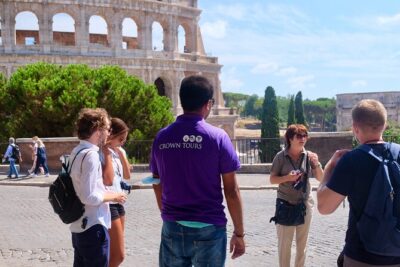
Colosseum Arena Floor, Roman Forum & Palatine Hill Tour
Read our review →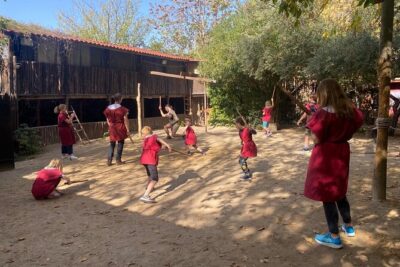
Roman Gladiator School: Learn How to Become a Gladiator
Read our review →
Full Day Tour to Val d’Orcia and Gladiator’s Fields with Wines
Read our review →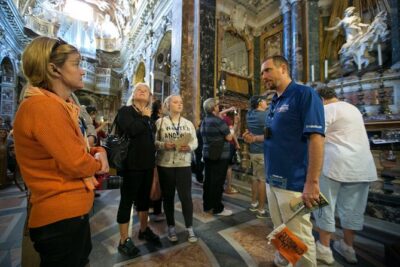
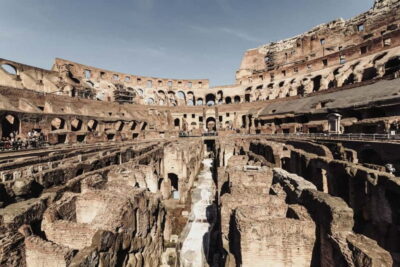
Gladiator’s Gate and Arena Special Colosseum Access
Read our review →
Browse the lists this tour appears in