
REVIEW · JAPAN
Hiroshima Lacquer Studio Tour & Workshop With a Gift
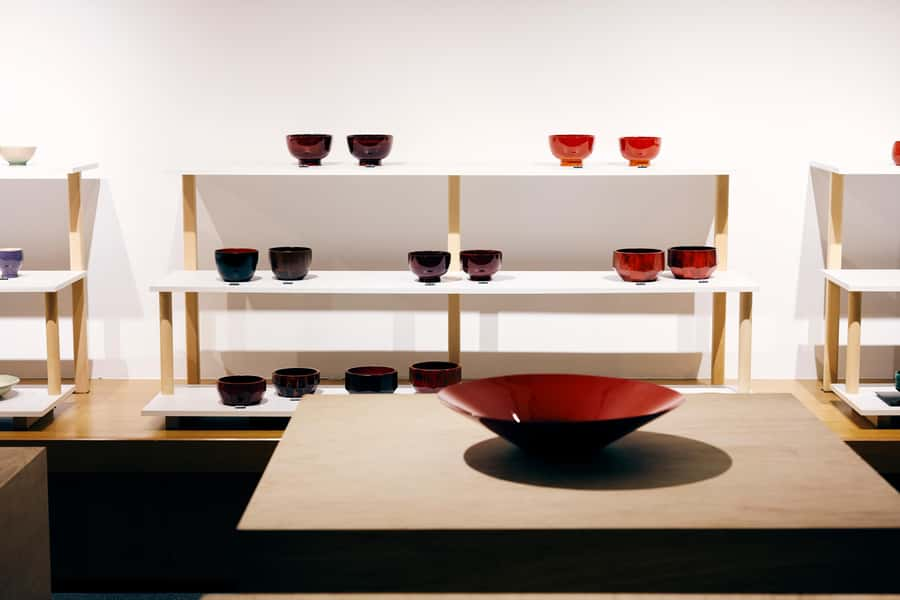
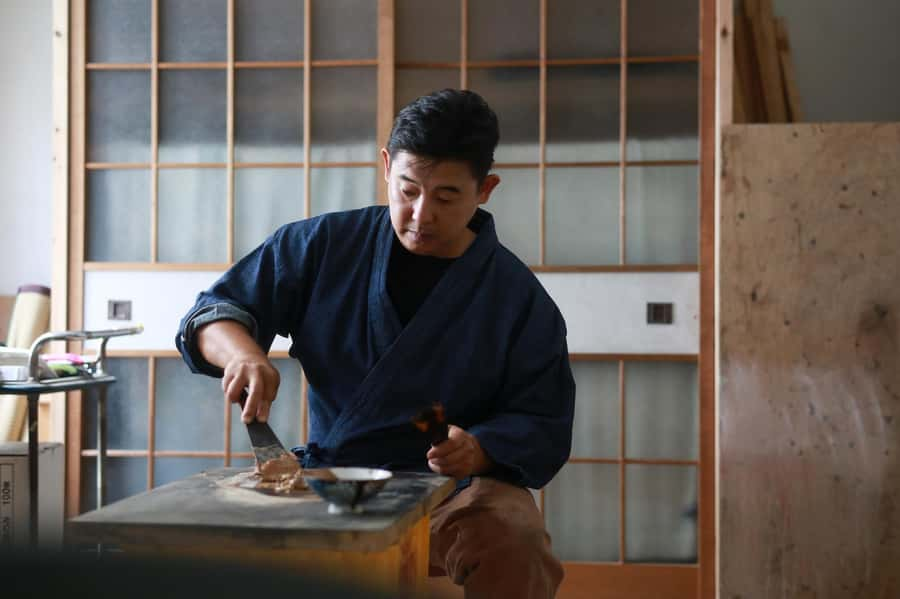
Hiroshima’s lacquer story reaches all the way to the 2023 G7 Summit, where Naoya Takayama created gifts for heads of state and their spouses. This two-hour visit takes you into his working studio, then lets you try the craft under his guidance.
I like the personal scale, with no more than six people, and the chance to see original works, tools, and materials rather than only finished objects in a shop. I also like that your workshop material becomes part of a finished piece for someone to enjoy. The main drawback is the price: at $309 per person, this is a serious splurge for a two-hour activity.
Key points before you book
- See the artist behind the G7 gifts: Naoya Takayama made the lacquer pieces presented at the Hiroshima summit.
- Work inside a practicing studio: You tour his creations, methods, tools, and materials.
- Try urushi lacquer painting: You practice spreading a lacquer mixture across a wooden base.
- Meet with English support: The tour is offered in English and Japanese, with interpreter Kazumi noted for this experience.
- Keep the group small: A maximum of six participants allows room for questions and close instruction.
- Get a handmade gift: A special lacquerware souvenir made by Takayama is included.
Why the G7 connection adds meaning
The most striking part of this experience is not simply that you paint a small object. It is that you enter the working world of an artist whose pieces represented Hiroshima on an international stage.
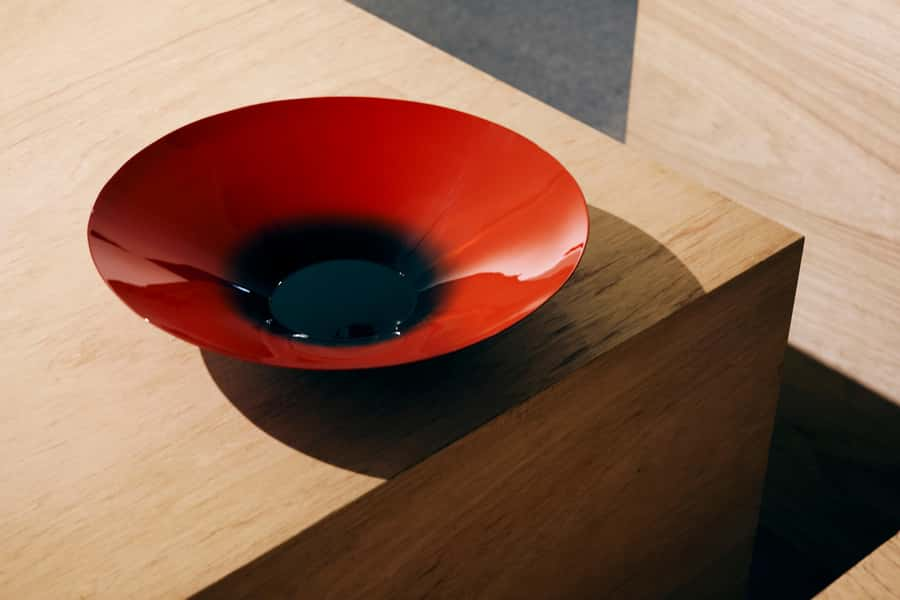
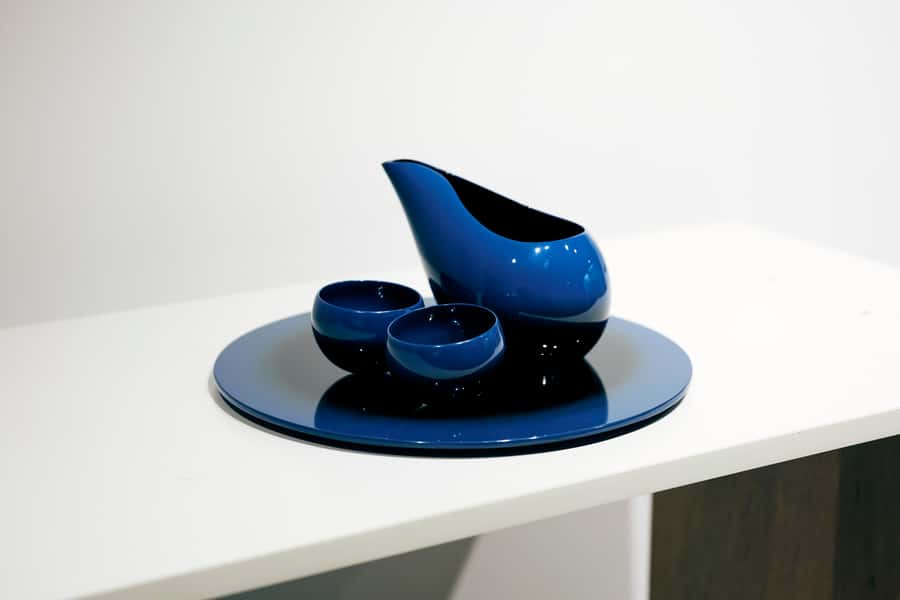
For the 2023 G7 Hiroshima Summit, the city mayor presented a sake drinking set with a dove-shaped vessel. Its lacquer patina was designed to change color over time, inspired by the Seto Inland Sea and the idea of peace. The dove shape gave the set a clear local and symbolic purpose without turning it into a generic souvenir.
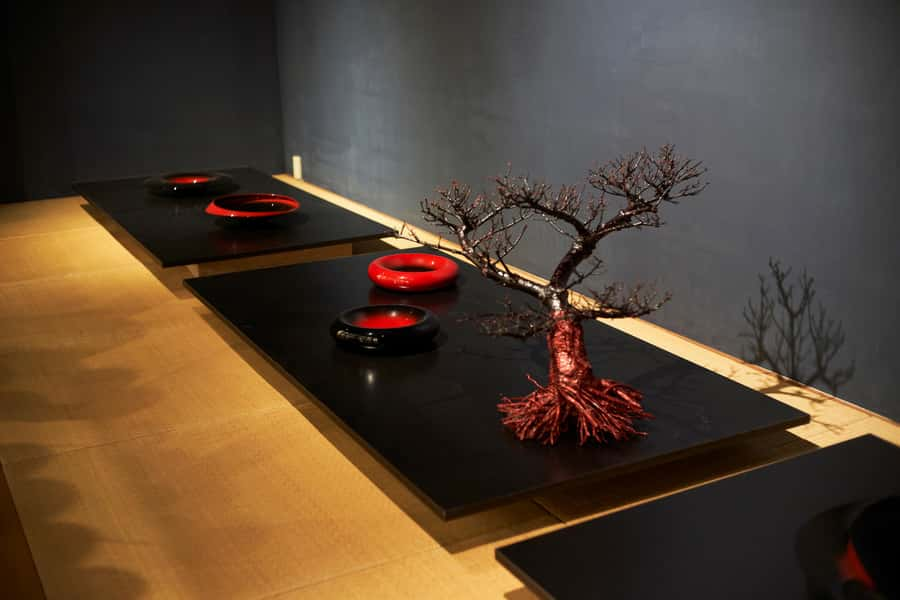
Another piece, called Akebono, was a set of bowls in red and black gradation. The colors suggested daybreak and a new beginning. These are useful details to keep in mind during the studio visit, because they show how Takayama links shape, color, place, and meaning.
You may not get a formal look at every summit item as a museum display. The value is hearing about the artist’s original work and seeing the methods that made such commissions possible. If you are interested in Hiroshima beyond the familiar story of war and the atomic bomb, this offers a quieter, creative side of the city.
More film studio tours in Japan:
- Warner Bros. Studio Tour Tokyo – The Making of Harry Potter
★ 4.8 · 181 reviews - From London: Harry Potter Warner Bros Studio Tour
★ 4.7 · 26,588 reviews - Los Angeles: Warner Bros. Studio Tour Hollywood
★ 4.6 · 7,191 reviews
Meeting Naoya Takayama at his studio
The experience begins at the entrance of the lacquer store. Look for the large sign reading 仏壇 高山清, or Butsudan Takayama-kiyoshi. The postal code given for the meeting area is 730-0033, and the studio is less than 15 minutes from Hiroshima Station by public transportation.
That short transfer matters. You can fit this activity into a Hiroshima day without giving up half your schedule. It also works well before or after a visit to the Peace Memorial Park, though you should allow enough time to find the meeting point and arrive ready for the scheduled start.
Takayama comes from a family with several generations of Buddhist altar artisans. He learned lacquer painting through Kyoto techniques, then developed his own approach using roiro, described here as wax color. His work uses sleek forms and delicate coatings, which helps explain why the studio visit is more than a basic craft class.
You are seeing a family trade adapted for contemporary design. That contrast is one of the best reasons to book. Traditional lacquerware can sometimes feel distant, protected behind glass or reserved for formal use. Here, you get a direct look at how an established craft continues through a modern artist’s hands.
What the studio tour gives you in two hours
The first part is a guided look at the studio and Takayama’s work. You learn about the history and culture of Japanese lacquerware, then see his original creations, methods, and materials.
The available details do not promise a fixed list of every object you will see, so expect the exact discussion to follow the studio and the pieces available that day. That is not a weakness. A working artist’s space is more useful when it is treated as a place of production, not a staged exhibition with the same script for every group.
The guide explains how lacquerware is made and how Takayama’s approach differs from older techniques. The experience includes instruction from Takayama and an interpreter fee. English and Japanese are available, and Kazumi is identified as the English interpreter for this workshop.
That language support is important. Lacquer work involves processes and materials that can be hard to understand from a quick demonstration alone. With interpretation, you can ask why a coating is applied, how the color develops, and what makes the finish distinctive.
You should also expect a compact visit rather than a full professional training course. Two hours is enough for context, demonstration, and a hands-on task, but not enough to master the entire craft. Japanese lacquerware takes much longer to produce than the workshop itself suggests.
Your hands-on urushi lacquer session
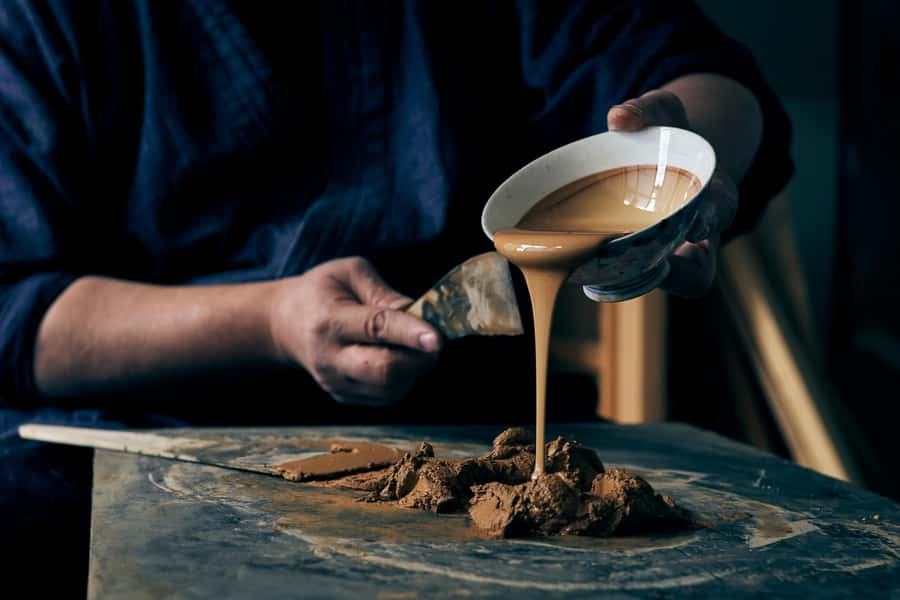
The practical portion lets you try spreading lacquer across a wooden base. You work with the elements needed to produce an urushi layer, following Takayama’s demonstration and guidance.
This is a good format for a short cultural activity. You are not expected to arrive with art training, and you do not spend the whole session listening to a lecture. Instead, you handle the material and feel how careful the process must be.
The supplied account describes the mixture being prepared and then spread over wood. The finished result depends on a controlled, delicate coating rather than a quick splash of color. That gives you a better sense of why lacquerware costs more than an ordinary painted object.
One especially meaningful detail is that the mixture you help create becomes part of a finished item for someone else to enjoy. You may not take home the exact piece you work on, but your contribution becomes part of a longer process. That is a more honest introduction to lacquerware than a craft activity designed to produce an instant souvenir.
Take your time and follow the master’s instructions closely. The point is not to produce a perfect object in one sitting. The point is to understand the patience, control, and layering behind the polished pieces in the studio.
More film workshops in Japan:
- Hiroshima:Private lacquer workshop experience tour(gift included)
★ 5.0 · 13 reviews - Tokyo: Mochi-Making Class in a Private Studio
★ 5.0 · 8 reviews - Bangkok: White Lotus Thai Cooking Class with Market Tour
★ 5.0 · 285 reviews - The Official Emily in Paris Croissant-Making Workshop
★ 4.9 · 85 reviews
Why lacquerware takes patience
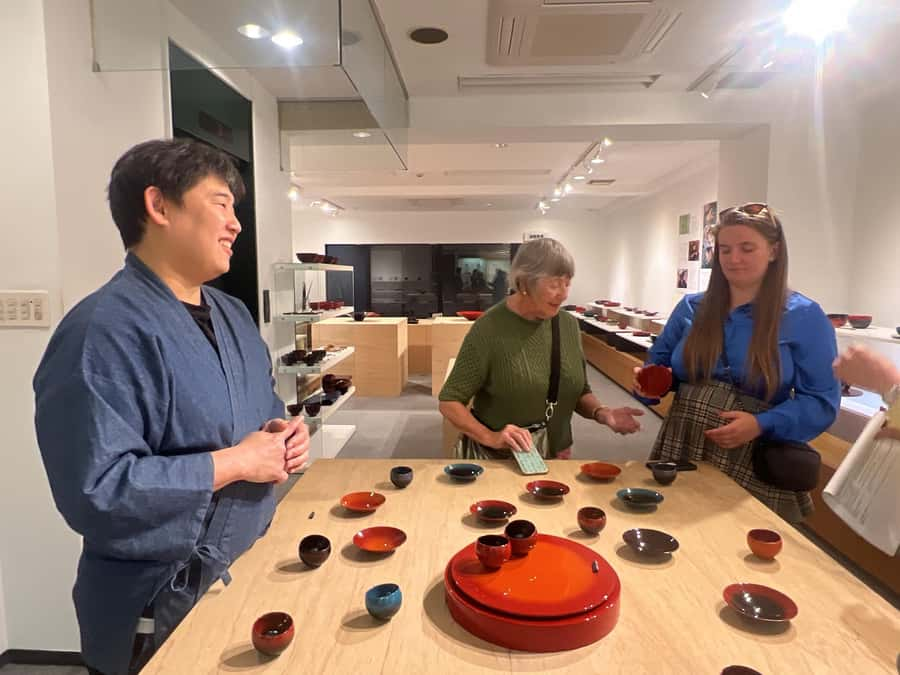
The workshop lasts two hours, but the objects you see have taken many weeks to create, paint, and finish. That difference is central to the experience.
A lacquer surface is built through repeated work. The delicate coatings and smooth silhouettes associated with Takayama’s pieces do not appear after a single application. The class gives you a small, practical glimpse of a process that continues long after you leave.
This also affects how you should judge the price. At $309, you are not paying only for a basic painting lesson or a standard souvenir. The fee includes direct instruction from a recognized craft artist, interpretation, the studio tour, tools and materials, insurance, and a gift made by Takayama.
Still, $309 is not a casual activity fee. If you mainly want a low-cost creative stop, Hiroshima has other ways to fill two hours. I would choose this only if the artist’s work, traditional craft, and close instruction matter to you.
The small group helps support the price. With no more than six participants, you should have a better chance to see the demonstration clearly and ask questions than you would in a large workshop. The available rating is five out of five from two reviews, including strong praise for the inspiring historical and artistic focus, but the sample is small. Treat that rating as encouraging, not as a guarantee of a particular personal experience.
The gift at the end
A special gift crafted by Takayama is included. The exact item is not specified, so you should not book expecting a particular bowl, sake vessel, or design shown in the summit story.
What you can expect is a piece connected to the master’s own craft. That matters because the souvenir is not just a token from a shop counter. It gives you a lasting reminder of the studio visit and of the technique you tried.
If you are packing light, keep this in mind before booking. The information does not state the size or packaging of the gift, so you may want to ask the operator if you need precise luggage guidance. Additional purchases are available onsite for an extra cost.
The chance to buy more work may appeal to collectors or anyone who wants a larger piece. It is also easy to overspend after seeing the care involved in the process, so set your budget before you arrive.
Who will get the most from this visit
I would recommend this experience most strongly to people who enjoy handmade objects, Japanese design, and meeting the person behind a traditional craft. It also suits repeat visitors to Hiroshima who want something beyond the city’s main memorial sites.
Creative people should find the practical session rewarding, even if they are not experienced painters. You are guided through the process, and the emphasis is on learning rather than producing a flawless finished object.
The tour can also suit families and mixed-age groups, since most participants can take part and the activity is wheelchair and stroller accessible. The tour is near public transportation, and the transportation and surfaces are listed as wheelchair accessible. You should still confirm any personal mobility needs when booking, since the listing does not describe the exact working height or studio layout.
I would be less likely to recommend it to someone with only a short Hiroshima stop who wants a broad sightseeing tour. This is a focused craft visit, not a general introduction to the city. It also may not suit anyone who thinks two hours is too short for the cost.
Getting there and fitting it into Hiroshima
The studio is less than 15 minutes from Hiroshima Station by public transportation. That makes the activity practical for visitors staying near the station or passing through on a wider Chugoku Region itinerary.
The meeting point is the lacquer store entrance, marked by the large Butsudan Takayama-kiyoshi sign. The activity finishes back at the same meeting point, so you do not need to arrange a separate return transfer.
Starting times vary, so check availability before you plan the rest of the day. The official duration is two hours, but you should add time for getting from Hiroshima Station, locating the shop, and continuing to your next stop.
The tour is offered with live English and Japanese guidance. The experience can accommodate up to six people, which is a useful detail if you prefer a quieter setting or want to ask questions without competing with a large crowd.
Is $309 good value?
The answer depends on what you want from Hiroshima.
For a simple souvenir, no. The cost is high, especially when the activity itself lasts only two hours. You could spend less on many cultural attractions and still have a satisfying day.
For direct access to a contemporary lacquer master, the value is easier to defend. You see the studio, learn the background of major commissioned pieces, handle the materials, receive interpretation, and take home a handmade gift. You also gain a better understanding of why Japanese lacquerware requires weeks of work.
The gift and the private-feeling format help, but the central value is the meeting with Takayama. If his work is the reason you are interested, this is a rare chance to connect the objects with the artist and the process behind them.
I would compare the price with other special-interest activities you are considering in Japan. If you prefer food tours, major monuments, or a broad city overview, this may not be your best use of money. If you collect crafts or want a personal cultural experience, it becomes more compelling.
Should you book the Hiroshima lacquer workshop?
Book it if you want a close look at Japanese lacquerware from a working master, appreciate the connection to the G7 Hiroshima Summit, and are willing to pay for a small, specialized experience. The English interpretation from Kazumi, hands-on work, and handmade gift make the visit easy to follow and memorable.
Skip it if you are looking for a cheap activity, a full-day tour, or a finished object made entirely by you during the session. The workshop is a brief introduction to a craft that normally takes weeks, and the price demands genuine interest.
For the right person, this is one of Hiroshima’s more thoughtful cultural experiences. It lets you see the city through patience, design, and living craftsmanship, not only through its difficult past.
FAQ
How long does the Hiroshima lacquer studio experience last?
The activity lasts two hours, including the studio tour and workshop.
How much does the experience cost?
The listed price is $309 per person.
Where does the tour meet?
Meet at the entrance of the lacquer store with the large sign reading 仏壇 高山清, or Butsudan Takayama-kiyoshi. The postal code provided for the meeting area is 730-0033.
Where does the activity finish?
The experience finishes back at the same meeting point.
How far is the studio from Hiroshima Station?
The studio is less than 15 minutes from Hiroshima Station by public transportation.
Is the workshop available in English?
Yes. Live guidance is available in English and Japanese. The experience includes an interpreter fee, and Kazumi is identified as the English interpreter.
How many people can join the workshop?
The group is limited to a maximum of six participants.
Is the activity wheelchair accessible?
Yes. The activity is listed as wheelchair accessible, with accessible transportation and surfaces. It is also stroller accessible.
What is included in the price?
The price includes instruction from Naoya Takayama, interpreter services, the studio tour, lacquerware tools and materials, a souvenir, and insurance.
Can I cancel the booking?
You can cancel up to 24 hours in advance for a full refund. The experience also offers reserve now and pay later booking.
Just added around Japan
- Anime shopping tour in Osaka: figures, Manga, Maid Cafe, Knife★ 5.0 · 4 reviews
- Osaka Cinematic Film experience Video + Photo (ONLY ONE BOOKING)★ 5.0 · 3 reviews
- Kichijoji Food & Anime Tour in Tokyo with Lunch★ 5.0 · 7 reviews
- Whimsical Walk to a Hidden Anime World: Tokyo Half-Day Tour★ 4.5 · 18 reviews
- Toei Kyoto Studio Park Admission Ticket : Japan’s Edo Period★ 4.0 · 2 reviews
- Kamakura Tour with Pro Photographer: Anime Train & Fuji Sunset★ 5.0 · 4 reviews
- Hiroshima:Private lacquer workshop experience tour(gift included)★ 5.0 · 13 reviews
- Explore the Nature that Inspired Ghibli Movies by Kayak (Half Day)★ 5.0 · 10 reviews
Japan Film Location Tours, compared.

Tokyo Studio Ghibli Museum and Ghibli Film Appreciation Tour
Read our review →
Akihabara Anime & Game Adventure Walking Tour (Group or Private)
Read our review →
Go Daikoku PA Fast & Furious 3 Sports Car Meetup
Read our review →

Fast & Furious Tokyo Drift 3 (Kaila Yu-SP) : Experience Ride JDM
Read our review →
Warner Bros. Studio Tour Tokyo – The Making of Harry Potter
Read our review →
Browse the lists this tour appears in