
REVIEW · LOS ANGELES
Hollywood History Tour
Hollywood’s movie history is packed into a short stretch of pavement, and this tour gives you a useful way to read it. In two hours, you walk from Hollywood and Vine to TCL Chinese Theatre, passing famous theatres, recording studios, celebrity haunts, murals, and the Walk of Fame.
I like the compact route and the live storytelling. I also like the time allowed for photos, since Hollywood Boulevard is best enjoyed at street level, where the old movie palaces and famous names on the sidewalk are close at hand. Guides who have led this tour include Phil, Cheyenne, Robert, and Neel, with each bringing a different style to the stories.
The main consideration is that this is a walking overview, not a series of interior visits. You may see the outside of several landmarks rather than enter them, and the Hollywood sign is a photo subject rather than a hiking destination.
Key points at a glance
- Hollywood and Vine start: Begin at one of the city’s best-known intersections and walk west along Hollywood Boulevard.
- Classic movie palaces: See the Pantages, Egyptian Theatre, El Capitan Theatre, and TCL Chinese Theatre in one outing.
- Music and television history: Pass Capitol Records and the theater used for Jimmy Kimmel Live.
- Celebrity stories: The guide connects hotels, restaurants, studios, and sidewalks with Hollywood personalities and old scandals.
- Small-group format: The maximum group size is 20, which should make it easier to hear the guide than on a large coach tour.
- Easy planning: The tour lasts about two hours, starts at 10 a.m., uses a mobile ticket, and allows free cancellation up to 24 hours before departure.
A sensible way to read Hollywood Boulevard
Hollywood Boulevard can feel confusing at first. The Walk of Fame stretches for a long distance, tourist shops compete for attention, and major landmarks sit among ordinary businesses. A guide gives the street a storyline, turning a string of famous names into a walk through film, radio, music, television, and celebrity culture.
The tour starts at 6250 Hollywood Boulevard, near Hollywood and Vine. This intersection matters because it has long been associated with the entertainment business, and it gives you a clear starting point before the route heads toward the larger movie palaces around Mann’s Chinese Theatre, now TCL Chinese Theatre.
You walk at a leisurely pace. That matters because the best details are easy to miss when you rush. A star on the sidewalk may be familiar, but the surrounding building, theater marquee, or old hotel often explains why that name belongs there.
At $38 per person, the tour is priced as a short guided city walk rather than a full-day sightseeing trip. I find the cost reasonable if you want context and a planned route, especially on a first visit. It is less useful if you only want quick photos or already know Hollywood Boulevard well.
More Hollywood and Celebrity Home Tours in Los Angeles
- Full-Day Iconic Sights of LA, Hollywood, Beverly Hills, Beaches and More
★ 5.0 · 6,147 reviews - Warner Bros. Studio Tour Hollywood
★ 4.5 · 5,246 reviews - Hollywood, Beverly Hills & Celebrity Homes Tour by Open Air Bus
★ 5.0 · 2,557 reviews
Hollywood and Vine, then the Pantages Theatre
The opening section introduces you to Hollywood’s theatrical side. The Pantages Theatre is one of the route’s major visual anchors, with its grand exterior and long connection to live performance and entertainment.
The guide’s job here is not just to point at the building. You get the broader story of how Hollywood developed as a place where stage shows, films, radio, and television overlapped. That context helps explain why such different kinds of entertainment history are packed into a few blocks.
You should expect to view the theater from the street unless your tour specifically includes another arrangement. The available details describe a walking tour, not an admission ticket to the Pantages. If you are hoping to see the inside, check separately before booking.
The Pantages stop is especially useful for first-time visitors who might otherwise walk past it while looking down at the stars. It also gives the route some architectural variety before the focus shifts toward music and recording.
Capitol Records and Hollywood’s music connection
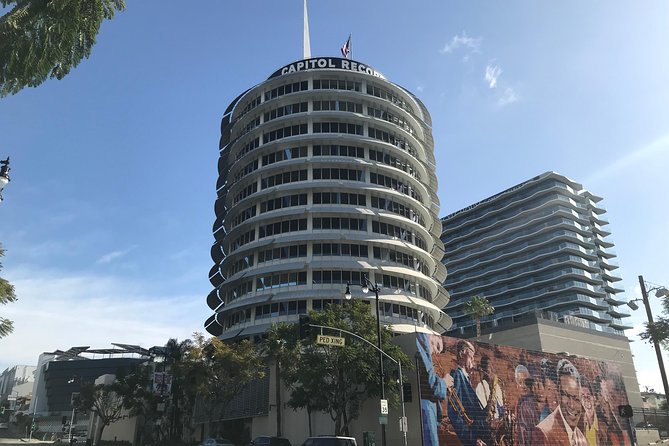
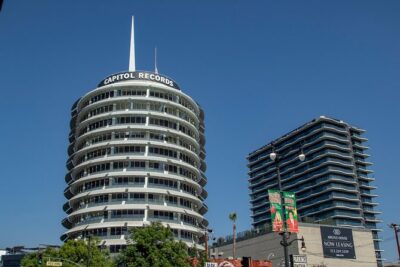
Capitol Records is one of the most recognizable buildings on the route. Its distinctive tower brings music history into a tour that might otherwise focus almost entirely on movies.
The stop is described as the largest live recording studio on the west coast of the United States. That makes it more than another famous facade. It connects Hollywood to singers, musicians, recording sessions, and the business of producing popular music.
I like this part of the route because it broadens the meaning of Hollywood. The district is not only about actors and premieres. Record labels, television studios, theaters, restaurants, and hotels all helped shape the culture associated with the name.
Again, plan on an exterior visit. The tour gives you a close look and commentary, but no recording-studio admission is listed. That is not a serious flaw, though it is worth knowing before you arrive.
Hotels, celebrities, and Hollywood’s stranger stories
The route includes places tied to celebrities and unexplained activity. This is where the tour’s tone may become more colorful. Hollywood history is full of polished premieres, but also odd stories, scandals, personal dramas, and legends attached to old buildings.
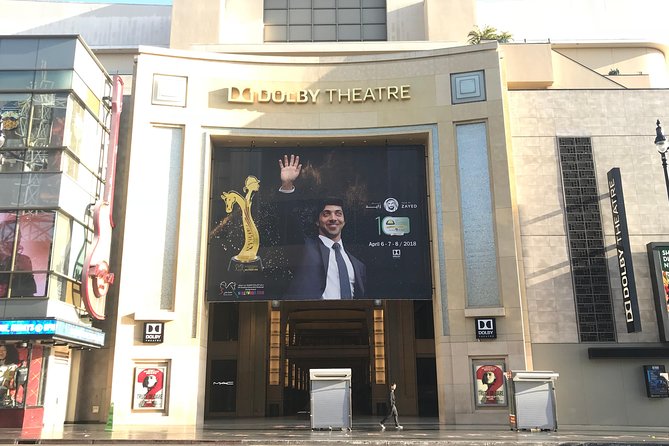
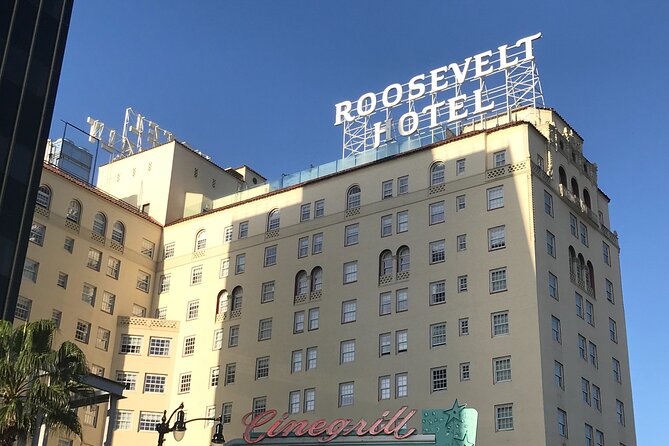
The Hollywood Roosevelt is an important name in this part of the walk. It is linked with celebrities and with the early Academy Awards. The hotel also adds a sense of old Hollywood glamour to a boulevard that can otherwise feel very modern and commercial.
The guide may also bring up the origins of the Oscars. That detail gives the hotel more weight than a simple celebrity address. You begin to see how awards, hotels, movie theaters, and publicity all worked together in Hollywood’s early years.
I would treat the unexplained-activity stories as entertainment rather than proven history. They add character to the walk, but they should not be confused with the better-documented facts about theaters, studios, and awards.
Same place, a completely different screen:
- Hollywood Sign 2.5-Hour Tour with Comedians and Their Dogs
★ 5.0 · 2,496 reviews - Full-Day LA Tour: Santa Monica, Hollywood and Beverly Hills
★ 5.0 · 2,431 reviews - Hollywood and Celebrity Homes Bus Tour
★ 4.5 · 2,074 reviews - Hollywood Open Bus Tours
★ 4.5 · 1,801 reviews
The Walk of Fame and the You Are the Star mural
The Hollywood Walk of Fame is the tour’s most obvious attraction. One section includes about 10 minutes among the famous stars, with free admission. You can look for familiar names, take photographs, and see how the sidewalk itself became a public record of show-business fame.
The practical advantage of having a guide here is focus. Without a plan, you may spend time searching for one particular star and miss the larger story. The guide can explain how the boulevard became such a powerful symbol and point out details you might overlook.
The stars are not all in perfect condition. Some are worn, dirty, or difficult to photograph when the sidewalk is crowded. Set your expectations accordingly. This is a real urban street, not a polished museum floor.
The You Are the Star mural, completed in 1983, adds a different kind of photo stop. Instead of looking down at names beneath your feet, you get a wall image designed to place you inside the Hollywood story. It is a quick stop, but useful for photographs and for showing how Hollywood continues to reinvent its own image.
The route is best taken earlier in the day if you want easier photos. One piece of practical advice is clear: morning is preferable to midday, when the boulevard can become much more crowded. The tour begins at 10 a.m., giving you a reasonable start before the busiest part of the day.
The Hollywood sign from the boulevard
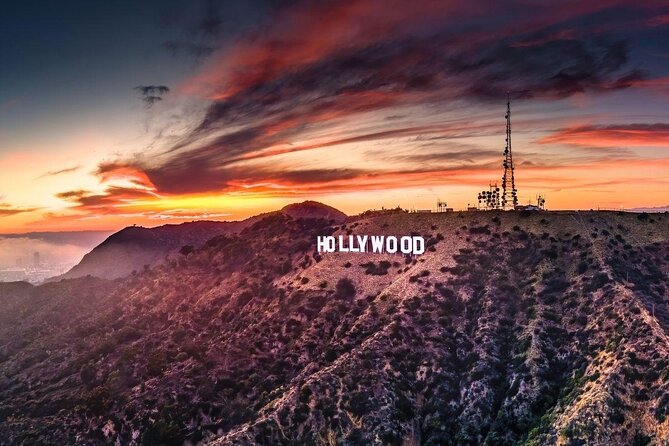
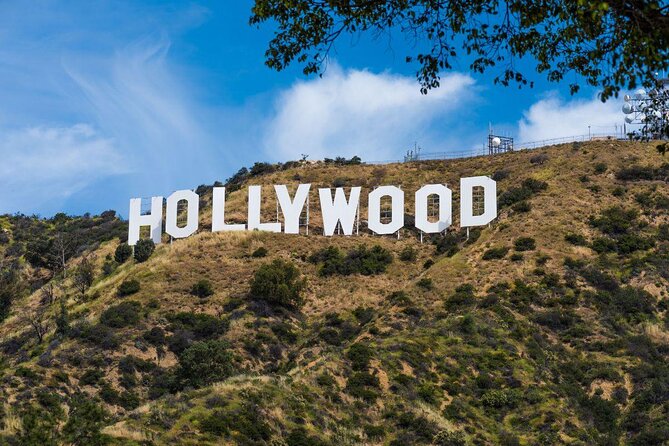
The Hollywood sign is included as an iconic sight. Be careful with the wording here: this walking tour does not take you on a hike to the sign. You should expect a view or photo opportunity connected with the sign while exploring the boulevard.
That distinction matters. If reaching the sign itself is a major goal, you need a separate hiking or viewpoint plan. If you simply want to include the sign in a first look at Hollywood, this tour gives you that chance without adding a long uphill walk to the two-hour route.
The sign works well in the overall story because it represents the public image of Hollywood, while the surrounding stops explain the businesses and people behind that image. You see the symbol, then hear about the theaters, hotels, restaurants, and studios that made the district famous.
Musso & Frank and the old restaurant tradition
The tour passes Hollywood’s oldest restaurant, Musso & Frank. This stop brings dining into the story of celebrity culture.
Restaurants mattered because actors, writers, producers, and other entertainment figures needed places to meet away from studio offices and theater crowds. A historic restaurant can reveal a more ordinary side of the industry, where deals, friendships, arguments, and meals happened around the same tables.
You will want to listen closely here because restaurant history can be easy to reduce to a list of famous names. The more useful question is how these places helped Hollywood function as a social network. The guide’s commentary is what makes the stop worthwhile.
As with the other buildings, the route does not list a meal or restaurant entry. Think of this as a historical viewing stop, not a dining reservation.
The Egyptian Theatre and Hollywood’s grand movie houses
Sid Grauman’s Egyptian Theatre is one of the route’s strongest architecture stops. Its name alone hints at the theatrical style that early Hollywood used to make moviegoing feel like a major event.
The theater belongs to the era when premieres were public spectacles. A grand facade, a famous entrance, and the arrival of stars all helped sell the idea that watching a movie was an occasion rather than a routine evening.
The guide can help you compare the Egyptian with the other theaters on the route. The Pantages shows one side of Hollywood’s performance culture, while the Egyptian and Chinese theaters represent the ceremonial side of film premieres.
Do not assume the tour includes a screening or interior access. The value here is seeing the building in its setting and understanding its place in Hollywood’s development.
Miceli’s, singing waiters, and entertainment after the show
Another stop is associated with the home of the singing waiters. This refers to Miceli’s, a restaurant known for making entertainment part of the meal.
It is a small but revealing detail. Hollywood’s character does not end when the theater curtain falls. Restaurants, hotel lounges, and other businesses developed their own performances and traditions, keeping the entertainment theme alive throughout the neighborhood.
I like this stop because it adds humor and variety to the itinerary. After theaters, studios, and awards, the singing-waiter tradition shows how the district’s entertainment culture reached into everyday dining.
The tour gives you the story and the street setting. Food, drinks, and restaurant admission are not listed as part of the $38 price.
Jimmy Kimmel Live and the El Capitan Theatre
The route includes the broadcast theater associated with Jimmy Kimmel Live and the Disney-owned El Capitan Theatre. These stops show that Hollywood is not only a preserved memory of the early film era. Television and modern entertainment still operate along the same boulevard.
The Jimmy Kimmel Live connection gives you a look at broadcast television and late-night production. The El Capitan adds a Disney connection and another movie theater facade to the walk.
For you, the real benefit is comparison. The route moves from early theaters to recording studios, then to television and a major modern entertainment brand. That range keeps the tour from becoming a simple hunt for movie-star names.
The stops are best understood as exterior landmarks unless the guide says otherwise. No studio audience tickets, backstage visits, or theater admissions are included in the tour details.
Ending at TCL Chinese Theatre
The walk ends at 6925 Hollywood Boulevard, outside TCL Chinese Theatre. This is a fitting finish because it is one of Hollywood’s most recognizable movie landmarks and one of the final major sights on the boulevard.
The theater was previously owned by Sid Grauman, linking the ending back to the Egyptian Theatre. You also get the famous forecourt with celebrity handprints and footprints, an ideal place for final photographs.
The end point is not the same as the starting point. You are about a 25-minute walk from Hollywood and Vine, or one Metro Rail stop away. Rail fare is not included, but the guide can point you in the right direction.
That small transport detail is easy to miss when planning your day. If you have a reservation or another activity near the starting point, allow extra time after the tour. If you are continuing west along Hollywood Boulevard, the ending location is convenient.
Group size, timing, and practical comfort
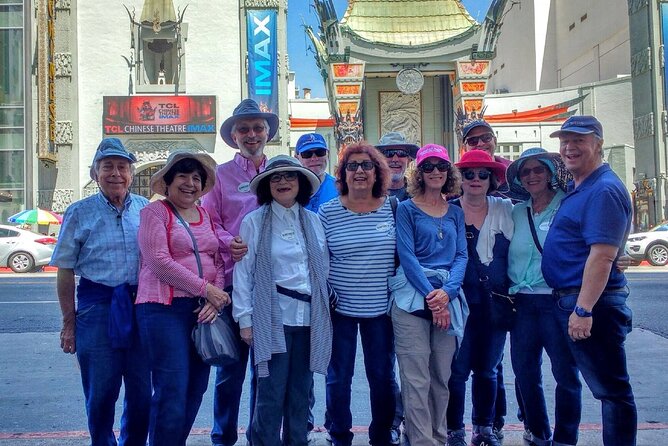
The maximum group size is 20 people. That is not private-tour intimacy, but it is still much easier to manage than a large sightseeing group. You should have a fair chance of hearing the guide, though the quality of the experience will depend on where you are standing and how crowded the sidewalk is.
The tour begins at 10 a.m. and lasts roughly two hours. That schedule works well as a morning introduction. You can continue exploring afterward, visit nearby museums, find lunch, or use the Metro Rail to return toward Hollywood and Vine.
Wear comfortable walking shoes. The route is at a leisurely pace, but it covers a series of city blocks and includes time standing at landmarks. Bring a phone for photos and use the mobile ticket for entry to the tour.
Service animals are allowed, and the activity is near public transportation. Most people can participate, according to the supplied conditions, though the tour does not provide a detailed accessibility description. If you have specific mobility needs, confirm the route details before booking.
The experience requires good weather and a minimum number of participants. If poor weather or low enrollment cancels the tour, you are offered another date or experience, or a full refund.
What the guide adds
The guide is the deciding factor here. Hollywood Boulevard is easy to walk alone, but much harder to interpret well. A good guide connects a theater facade to the people who used it, a hotel to the Oscars, and a recording studio to the larger entertainment story.
Several guide names are associated with the experience, including Phil, Cheyenne, Robert, and Neel. Their reported styles range from energetic storytelling to professional, informative guiding. Robert has led the walk even when only one person was booked, while Cheyenne is associated with especially lively delivery.
You should not expect every departure to have the same guide or the same tone. That is normal for a walking tour. The strongest reason to book is not simply access to the sidewalk, which is free, but the chance to hear the stories in a logical order.
Is $38 a fair price?
The Walk of Fame costs nothing to enter, and most of the landmarks are viewed from public streets. So the price is not paying for admission to a series of attractions. It pays for a two-hour route, live commentary, organization, and the convenience of knowing where to look.
I consider $38 fair for a first visit if you value background and want to cover the headline sights quickly. The price is especially sensible if you would otherwise spend half a day wandering without knowing which buildings matter.
The value drops if you prefer independent exploring, want to enter museums and theaters, or already know Hollywood history. In that case, you may get more from choosing a few specific sites and visiting them at your own pace.
Free cancellation up to 24 hours before the 10 a.m. start gives you useful flexibility. After that point, the amount paid is not refunded, and late changes are not accepted.
Who should book this Hollywood walk?
I would recommend it to first-time visitors, film fans, families who want a manageable introduction, and anyone with only a short window in Hollywood. It is also a good opening activity before you explore more deeply on your own.
You will get the most from it if you enjoy stories about old theaters, celebrities, restaurants, television, and the strange habits of entertainment districts. The tour is less suitable if your main goal is the Hollywood sign hike, interior theater visits, or a private experience.
Book it if you want a brisk, story-led introduction to Hollywood Boulevard and appreciate having a guide point out what matters. Skip it if you only want a quick photograph at the Walk of Fame, since the boulevard is free to explore without a tour.
FAQ
How long does the Hollywood History Tour last?
The tour lasts approximately two hours.
What time does the tour start?
The listed start time is 10:00 a.m.
Where does the tour begin?
It begins at 6250 Hollywood Boulevard, Los Angeles, California 90028.
Where does the tour end?
It ends at TCL Chinese Theatre, 6925 Hollywood Boulevard, Los Angeles, California 90028.
Is transportation back to the starting point included?
No. The end point is about a 25-minute walk from the start, or one Metro Rail stop away. Rail fare is not included, but the guide can provide directions.
What attractions are included on the walking route?
The route includes the Hollywood Walk of Fame, Pantages Theatre, Capitol Records, the Egyptian Theatre, the Hollywood sign, the Hollywood Roosevelt, the You Are the Star mural, the oldest restaurant in Hollywood, the theater associated with Jimmy Kimmel Live, El Capitan Theatre, and TCL Chinese Theatre.
Is the tour suitable for most people?
Most people can participate. The tour is near public transportation, and service animals are allowed. The maximum group size is 20 people.
Can I cancel for a full refund?
Yes. You can cancel at least 24 hours before the start time for a full refund. Cancellations or changes made less than 24 hours before the start are not refunded or accepted. Weather or minimum-participant cancellations offer an alternative date or a full refund.
More History Behind the Scenes in Los Angeles
- Historic Hollywood Boulevard and Movie Palaces Walking Tour
★ 5.0 · 9 reviews - Oscar History and Film Set Studio Tour at the Biltmore Hotel
★ 5.0 · 5 reviews - Historic Hollywood Boulevard and Movie Palaces Walking Tour
★ 4.8 · 4 reviews - Los Angeles: Hollywood Hills Spiritual and Cultural Tour
★ 5.0 · 2 reviews
Just added around Los Angeles
- Hollywood and Beverly Hills Bus Tour★ 5.0 · 2 reviews
- LA Walk of Fame 100 Years of Hollywood Tour By Junket★ 5.0 · 3 reviews
- The Premier Hollywood Sign Tour: Nature in the Heart of the City★ 5.0 · 4 reviews
- The Ultimate Hollywood Tour★ 5.0 · 8 reviews
- Total Hollywood Experience with Walk of Fame and Celebrity Homes Tour★ 4.0 · 3 reviews
- Ghosts of Hollywood Night-Time Walking Tour★ 5.0 · 25 reviews
- Hollywood: the Real Walking Tour★ 5.0 · 26 reviews
- Holy Biodiversity, Batman! A Naturalist’s “Batcaves” Tour★ 5.0 · 7 reviews
Los Angeles Film Location Tours, compared.
Full-Day Iconic Sights of LA, Hollywood, Beverly Hills, Beaches and More
Read our review →
Hollywood, Beverly Hills & Celebrity Homes Tour by Open Air Bus
Read our review →
Hollywood Sign 2.5-Hour Tour with Comedians and Their Dogs
Read our review →
Full-Day LA Tour: Santa Monica, Hollywood and Beverly Hills
Read our review →
Hollywood & Celebrity Homes Open-Air Bus Tour
Read our review →Browse the lists this tour appears in