
REVIEW · MUSEUMS
Beijing: China National Film Museum Entry Reservation
The China National Film Museum gives you a clear look at how Chinese cinema developed across a century. Its 21 exhibition halls cover film history, filmmaking, major directors, and changing artistic styles, while the building also contains six movie halls, including a large IMAX GT screen. I especially like the mix of serious film history and hands-on visual displays, including a dinosaur area that adds an unexpected change of pace.
I also like the low price, about $4.82, and the direct QR-code entry, which saves you from dealing with a ticket line. The main drawback is language: much of the museum information is in Mandarin, so the supplied English textual and visual guide is useful, but you should not assume every display has an English explanation.
Key points to know
- A century of Chinese cinema: The second, third, and fourth floors trace film development through different periods and stages.
- Twenty-one exhibition halls: You have plenty to see, but a two-hour visit requires a brisk pace.
- Six movie halls: The complex includes an IMAX GT theater, though screenings cost extra.
- A surprise dinosaur area: The exhibition zone is not limited to film displays.
- English help is available: An English textual and visual guide is included, but some on-site descriptions may still be only in Mandarin.
- Simple direct entry: Bring your passport and use the separate QR code sent by PANDA HAPPY JOURNEY IN CHINA.
Why the China National Film Museum is worth your time
Beijing has plenty of famous historic sights, but the China National Film Museum gives you a different view of the country. Instead of focusing on palaces, temples, or imperial power, it shows how Chinese society and artistic taste appeared on screen over time.
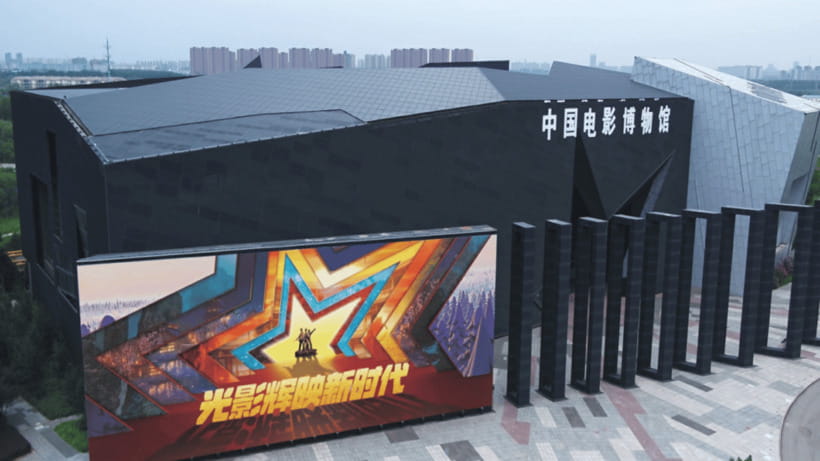
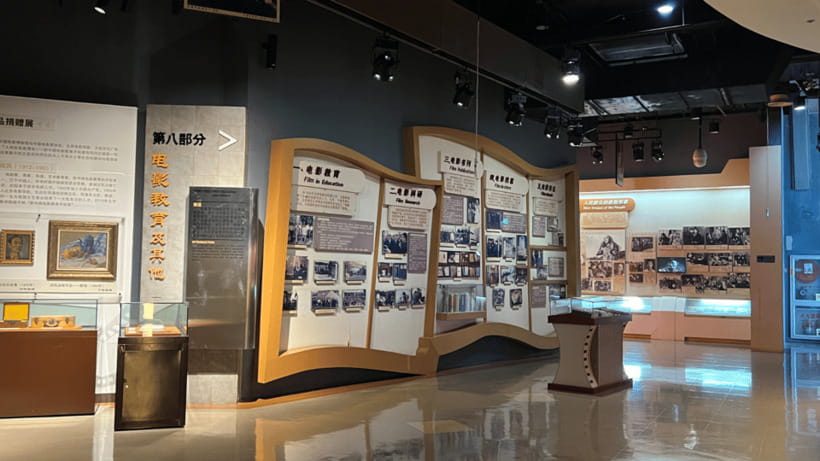
The museum was founded on December 29, 2005, and opened to the public on February 10, 2007. It is a major public cultural institution approved by China’s State Council. The building covers nearly 38,000 square meters, with about 13,000 square meters devoted to its 21 exhibition halls.
That scale matters. This is not a small gallery where you can glance at a few posters and leave. You are entering a large museum designed to tell a long story, with film artifacts, visual material, explanations of filmmaking, and displays about the work of many filmmakers.
You can spend about two hours here, but that time is best treated as an introduction rather than a complete study. If you read every panel carefully, the museum could occupy much longer. If you do not read Mandarin, you may move more quickly through some sections and spend your time on the visual displays.
More film museums and exhibitions in the world:
- The National WWII Museum Campus Pass plus 4-D Film
★ 5.0 · 672 reviews - Tokyo Studio Ghibli Museum and Ghibli Film Appreciation Tour
★ 4.5 · 421 reviews - Split: Game of Thrones Museum Entrance Ticket
★ 3.8 · 385 reviews
Starting on the first floor with A New Journey of Struggle
The first floor contains the exhibition titled The Theme Exhibition of A New Journey of Struggle. The supplied information does not list every object or section in this display, so you should expect a broad themed presentation rather than a simple chronological walk through film history.
This floor gives you a useful starting point. It sets a modern thematic frame before you move into the larger century-long film story upstairs. Take a little time here rather than rushing directly to the upper floors. The museum’s presentation is designed to connect cinema with wider periods of Chinese cultural development.
The exhibition also helps show that the museum is more than a collection of film memorabilia. It presents cinema as an art form shaped by changing ideas, production methods, and public interests.
Following a century of Chinese film across three floors
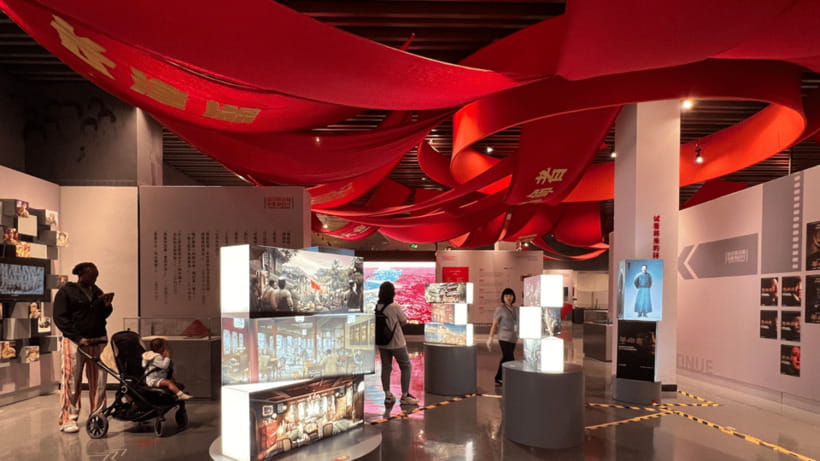
The main exhibition, A Century of History, A Century of Glory, occupies the second, third, and fourth floors. This is the heart of your visit.
The displays cover the development of Chinese films in different periods and stages. You can expect a chronological and thematic look at how cinema changed, though the exact order and amount of material in each section may vary as exhibitions are updated.
The museum presents the artistic achievements of numerous filmmakers. That makes the visit useful even if you are not familiar with Chinese film titles or directors. You can see how individual creative work fits into a larger story, rather than viewing films as isolated productions.
The museum also explains parts of the filmmaking process. This is one of the more valuable features for first-time visitors, since it moves beyond finished films and famous names. You may find displays that reveal how movies were made, how film techniques developed, and how creative choices shaped what appeared on screen.
For film enthusiasts, this section offers context that is difficult to get from watching individual Chinese movies alone. For casual visitors, the visual displays and changing design of the halls give you a way to follow the story even when the written material is difficult.
What the language issue means for your visit
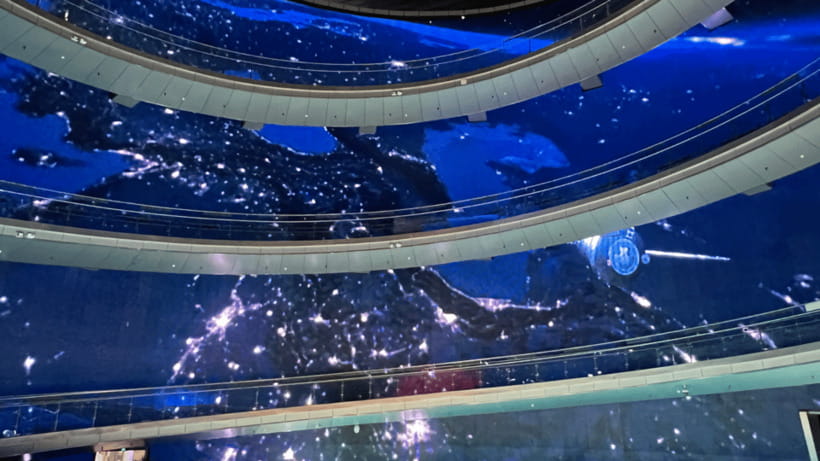
Language is the most important practical concern.
One part of the booking includes an English version of the textual and visual guide. That can help you understand the main themes and make sense of the displays. Still, you should prepare for some museum descriptions to appear only in Mandarin. Several people have found the exhibitions interesting but difficult to follow because the on-site information was not consistently translated.
I would not cancel solely because of the language issue, especially at this price. The building, displays, images, and objects still offer plenty to see. But if you want to understand every filmmaker, date, and production detail, you may find the experience less satisfying than an English-led museum tour.
A good approach is to read the English guide before moving through each major area. Use it to identify the central ideas, then let the visual displays fill in the details. You can also plan to spend more time in sections where the objects or film equipment communicate clearly without much text.
There is no live guide included. That keeps the price low, but it also means you are responsible for making sense of the museum at your own pace.
A few more filming locations around the world worth a look
- From London: Harry Potter Warner Bros Studio Tour
★ 4.7 · 26,588 reviews - Magical London: Harry Potter Guided Walking Tour
★ 4.7 · 22,044 reviews - London: Warner Bros. Studio Harry Potter Tour & Branded Bus
★ 4.7 · 19,194 reviews - Edinburgh: Harry Potter Magical Guided Walking Tour
★ 4.8 · 11,944 reviews
The unexpected dinosaur displays
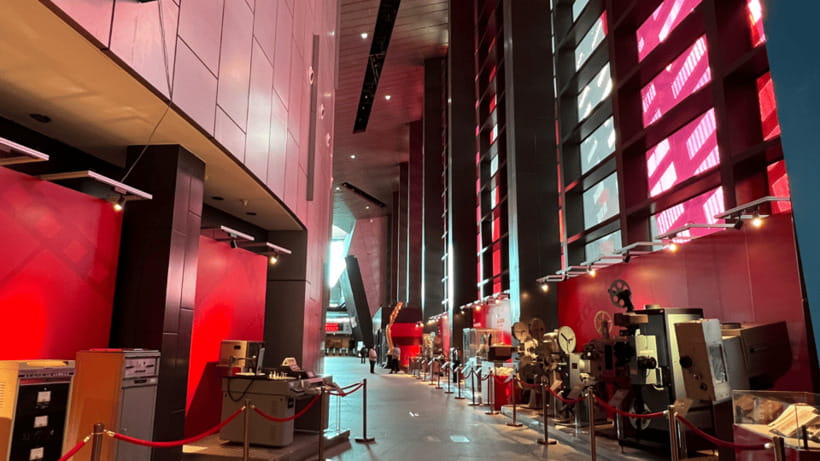
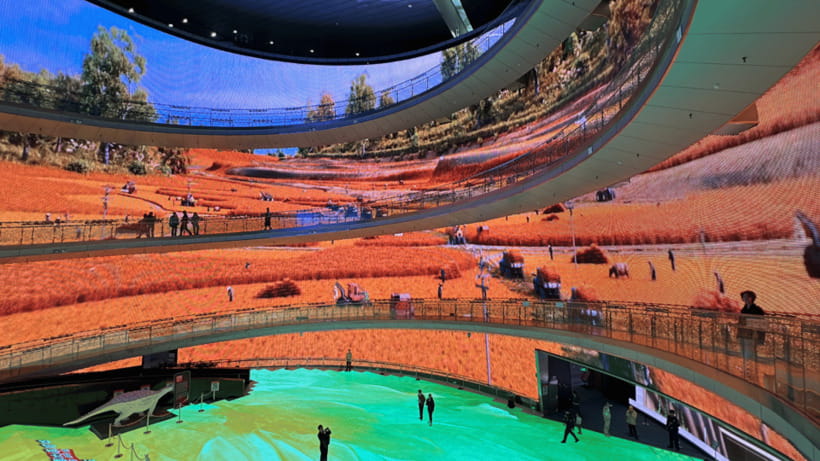
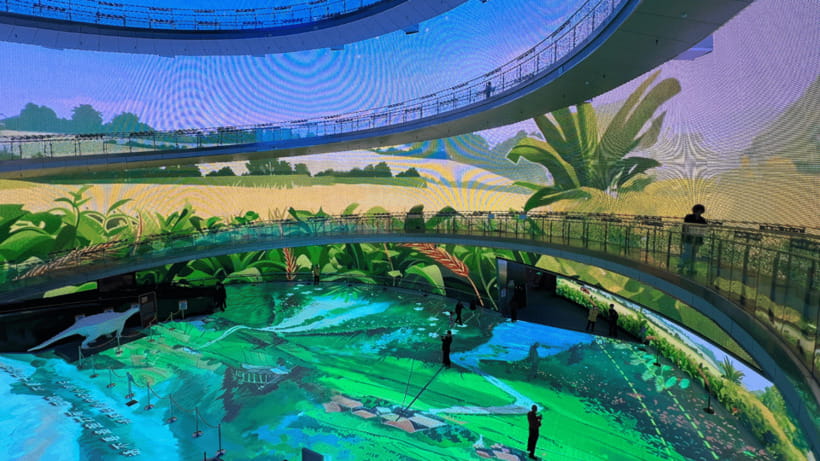
The China National Film Museum is not only about cinema. One particularly memorable feature is an exhibition area with dinosaurs. This may sound unrelated at first, but it gives the visit a welcome change from film posters, production displays, and historical explanations.
If you are visiting with children, the dinosaur area could be a strong reason to include the museum in your plans. It also gives adults a break after several floors of reading and visual analysis. The dinosaur displays were singled out as an especially enjoyable part of the visit, along with the friendly and helpful staff.
Because the full content of this area is not specified, I would treat it as an additional attraction rather than the main reason to come. The museum’s central focus remains Chinese cinema.
Six movie halls, including an IMAX GT theater
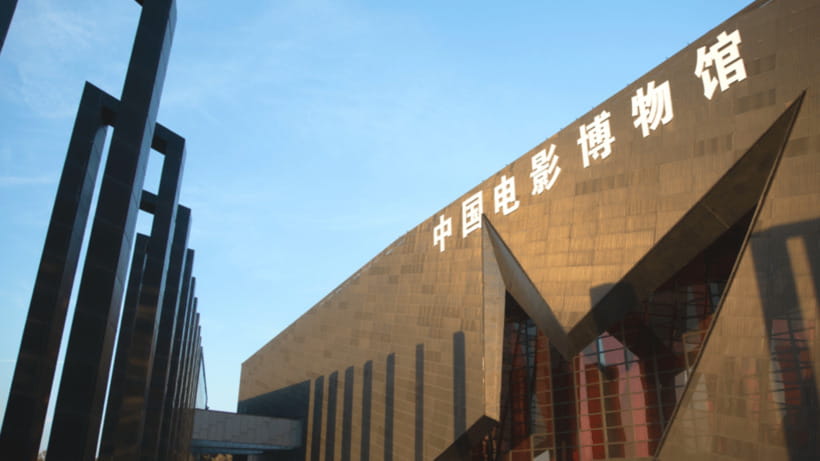
The museum includes six movie halls with a combined capacity of more than 1,000 people. One of these is an IMAX GT hall, which adds a modern cinema component to the museum visit.
Your entry reservation covers admission to the museum, not paid movie screenings. If you want to watch a film, you will need to pay separately. Check screening availability before you go if the cinema experience is important to you, since the two-hour museum visit and a full movie may require more time than the basic plan allows.
The theaters also help explain why this institution is much larger than a standard museum. You are not simply viewing the history of film from behind glass. The complex continues to function as a place where audiences can watch movies on a large scale.
For most people, I would plan the museum exhibits first. Add a screening only if the schedule works well and you are happy to spend longer at the site.
Planning a two-hour visit
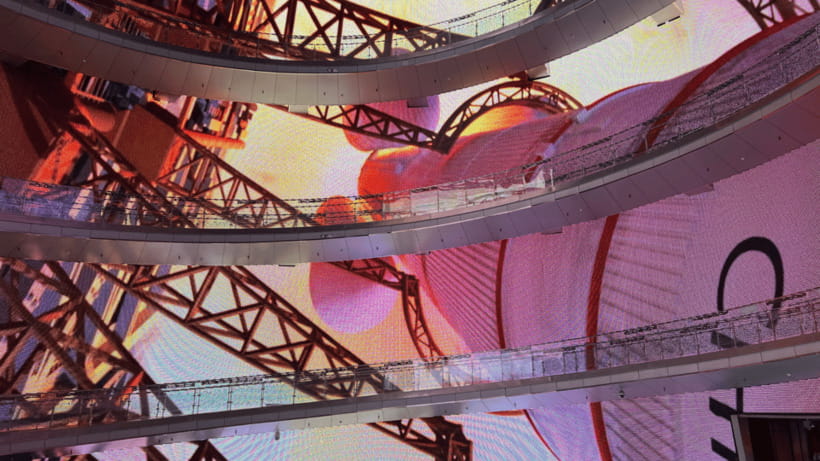
Two hours is a reasonable first visit, but the museum’s size means you need to choose your pace.
I would begin with the first-floor themed exhibition, then move through the second, third, and fourth floors in order. This gives you the museum’s intended progression, from a current thematic display to the century-long account of Chinese cinema.
You can use the following simple plan:
- Allow roughly 20 to 30 minutes for the first-floor exhibition.
- Spend most of your time on the second through fourth floors.
- Leave a few minutes for the dinosaur displays or other areas that catch your attention.
- Add separate time only if you plan to pay for a movie screening.
These are planning suggestions, not fixed timings. The museum does not provide a detailed stop-by-stop schedule in the available information. If you enjoy reading museum panels, two hours will feel short. If you focus on the major displays and images, it should give you a useful introduction.
Wear comfortable shoes. The building is large, and the exhibition area covers several floors. The museum is wheelchair accessible, which is helpful in a venue of this size.
Entry details that can prevent a wasted visit
The most important booking detail is the QR code.
After you place your order, PANDA HAPPY JOURNEY IN CHINA sends an e-ticket by email or WhatsApp. You must use the separate QR code provided by the operator to enter the museum. The QR code shown in the GetYourGuide app is not the admission ticket.
That distinction is easy to miss, so check your email or WhatsApp before setting out. Keep the correct code ready on your phone. You also need to bring your passport.
This arrangement can make entry quick because the reservation is intended to let you skip the ticket line. It is still wise to confirm that you have received the operator’s code before leaving for the museum. If you have not received it, check your messages rather than assuming the app code will work.
Smoking is not allowed inside the museum.
Is $4.82 good value?
At about $4.82 per person, this is an inexpensive way to spend part of a day in Beijing. The price includes the museum entry reservation and the English textual and visual guide. It does not include paid movie screenings, personal expenses, or a live guide.
The value is strongest if you already enjoy museums, film, or modern Chinese culture. You are paying a small amount for access to a very large institution with 21 exhibition halls and six cinemas. Even if you only stay for two hours, the cost per hour is low.
The value is less certain if you require full English interpretation. Since some descriptions may be in Mandarin, you may not get the same detail that a Chinese-speaking visitor would. The English guide helps, but it is not the same as having a personal guide explain each section.
The booking also offers free cancellation up to 24 hours before the visit and a reserve-now, pay-later option. Those terms are useful if your Beijing schedule is still changing, although you should check the available start times before booking.
Who should visit this museum?
I would recommend the museum to several kinds of visitors.
Film fans will appreciate the chance to see Chinese cinema placed in a wider artistic and historical setting. The displays cover filmmakers, filmmaking methods, and film development rather than focusing on one famous star or production.
Families may like the mix of cinema exhibits and dinosaur displays. The large building gives you room to change pace, although children who need constant hands-on activities may not enjoy every text-heavy section.
Visitors who have already seen Beijing’s major imperial sights may find this a useful change of subject. It offers a look at modern cultural life and artistic production.
The museum is also a good choice for budget-conscious visitors. The admission cost is modest, and the reservation process is straightforward once you understand which QR code to use.
I would be more cautious if you have only a short time in Beijing and do not care about film. The museum is large, and its subject is specific. It is not a general introduction to every part of Chinese culture.
A few practical tips for getting more from the museum
Read the English guide before entering the first exhibition area. That gives you a framework for the displays and reduces the frustration caused by Mandarin-only descriptions.
Keep your phone charged. You need it for the admission QR code, and you may want to refer to the guide during your visit.
Do not plan your visit around a movie screening unless you have checked the separate schedule and cost. The museum entry does not include cinema tickets.
Give yourself more than two hours if you want to read closely or include a paid film. The stated duration works well for a focused museum visit, not necessarily for every hall plus a screening.
Ask the staff for help if you are unsure where to go. The staff have been described as friendly and helpful, which is especially useful when written directions are not always in English.
Should you book the China National Film Museum?
Book it if you want an affordable look at Chinese cinema, enjoy museums, or need a break from Beijing’s older monuments. The 21 exhibition halls, film history displays, filmmaking material, dinosaur area, and six cinemas give you more variety than the low price suggests.
Go with realistic expectations about language. The English guide is helpful, but Mandarin remains part of the experience, and there is no live guide included. Bring your passport, wait for the separate operator QR code, and allow about two hours for the main exhibits.
For a film enthusiast, this is an easy recommendation. For everyone else, it is a worthwhile choice when you want a large, quiet cultural attraction and a different side of Beijing.
FAQ
How long does the China National Film Museum visit take?
The suggested duration is two hours. You may need longer if you read every display carefully or add a paid movie screening.
What does the admission reservation include?
It includes entry reservation for the China National Film Museum and an English version of the textual and visual guide.
Are movie screenings included in the entry price?
No. Paid movie screenings are not included and cost extra.
How many exhibition halls does the museum have?
The museum has 21 exhibition halls with a combined area of about 13,000 square meters.
Does the museum have an IMAX theater?
Yes. The museum has six movie halls, including an IMAX GT hall.
Is an English guide included?
Yes. An English textual and visual guide is included. However, some on-site descriptions may still be only in Mandarin.
What should I bring?
Bring your passport. You will also need access to the separate QR code sent by the activity provider for entry.
Can I use the QR code in the GetYourGuide app to enter?
No. You must use the separate QR code sent by the operator by email or WhatsApp. The code in the GetYourGuide app is not the admission ticket.
Is the museum wheelchair accessible?
Yes. The activity is wheelchair accessible.
Just added around the world
- “Not Today” – Game of Thrones and History of Split Private Guided Walking Tour★ 5.0 · 5 reviews
- Game Of Thrones Tour Split – small group★ 4.0 · 5 reviews
- Game of Thrones -A dragon is not a slave tour★ 5.0 · 2 reviews
- Game of Thrones Walking Tour Split★ 3.0 · 2 reviews
- Klis Fortress – Game of Thrones Private Tour From Split★ 5.0 · 5 reviews
- VIS Island (Mamma Mia Island) PRIVATE TOUR★ 5.0 · 6 reviews
- Private Transfers to Krka Waterfalls & Game of Thrones Castle★ 4.5 · 20 reviews
- Mamma Mia Boat Experience!★ 5.0 · 29 reviews
Museums, compared.

The National WWII Museum Campus Pass plus 4-D Film
Read our review →
Tokyo Studio Ghibli Museum and Ghibli Film Appreciation Tour
Read our review →

Speyer: Technik Museum Speyer Ticket with an IMAX Dome Film
Read our review →


Skip-the-Line Prague National Film Museum Ticket
Read our review →Browse the lists this tour appears in