
REVIEW · JAPAN
Kyoto: Learn Sushi at cooking studio with 20 years history
Kyoto’s sushi lesson is about more than shaping rice and fish. You’ll learn how dashi supports Japanese cooking, watch the hostess prepare dashimaki omelet, and make your own nigiri or chirashi sushi in a small indoor kitchen. The teacher has run cooking classes for 20 years, so the session links practical work with the story of Japanese food.
I like the choice between nigiri sushi and chirashi sushi, since you can pick hands-on shaping or a more relaxed bowl-style presentation. I also like the generous meal: dashi soup, namafu dengaku, dashimaki, sushi, and a mitarashi dumpling are all included. The main consideration is the price, $96 per person for two hours, which is not a casual snack stop. You’re paying for instruction, food, and cultural context.
Key points at a glance
- A 20-year Kyoto cooking teacher: Learn from the hostess who has operated cooking classes for two decades.
- Choose your sushi style: Make basic Japanese nigiri sushi or chirashi sushi topped with seafood, egg, and vegetables.
- Dashi takes center stage: Taste the savory stock and see how it shapes Japanese home cooking.
- A full meal is included: Your food includes sushi, dashimaki, dashi soup, namafu dengaku, and mitarashi dumpling.
- Easy indoor setting: The kitchen studio is about 10 minutes from Kyoto Station and 5 minutes from Shijo Subway Station.
- Small class size: No more than 10 participants, useful for a lesson where you need to see and copy each step.
Why this Kyoto sushi class feels different
Many visitors first meet sushi at a restaurant counter, where the chef works quickly and the customer simply eats. This class changes the order of things. You get to understand the rice, the soup stock, the toppings, and the care behind a Japanese meal before sitting down to eat it.
The teacher’s 20 years of cooking-class experience matter here. A long-running class tends to focus on clear steps rather than showy tricks. You are there to learn how sushi is made, but also to hear about the history of sushi and the wider appeal of Japanese food.
That broader focus is useful in Kyoto. Japanese cuisine is not just raw fish on rice. Dashi, omelet, vegetables, wheat gluten, rice seasoning, and sweets all have a place at the table. This lesson gives you a compact look at that larger food culture.
The class is held indoors, so weather will not affect the main activity. A rainy afternoon in Kyoto can still become a productive one, and the two-hour length fits neatly between sightseeing plans.
A few more filming locations around Japan worth a look
- Bangkok: White Lotus Thai Cooking Class with Market Tour
★ 5.0 · 285 reviews - Zimbali Mountain Cooking Studio
★ 4.5 · 58 reviews - White Lotus Thai Cooking Class in Bangkok
★ 5.0 · 31 reviews
Finding the studio near Kyoto Station and Shijo
The cooking studio is about 10 minutes from Kyoto Station and about 5 minutes from Shijo Subway Station. The meeting point is Sumaya cooking class, located on the third floor of a hair salon called Salon Roll.
That last detail is worth noting. Do not expect a large restaurant frontage or a dramatic cooking school sign. You’ll want to identify Salon Roll and go to the third floor. If you are carrying luggage or managing a tight schedule, allow enough time to find the building and reach the studio before the start time.
The location gives you two practical choices. Kyoto Station is useful if you are arriving by train or connecting with a day trip. Shijo is handy for central Kyoto, shopping streets, and hotels around the downtown area. Check the available starting times before you plan the rest of your day, since the class lasts two hours.
The group is limited to 10 participants. That is small enough to make the hands-on part worthwhile, though the exact amount of individual attention can depend on how many people attend. If you want a private lesson, this is not advertised as one. If you want a social class without a large crowd, the group limit is a good fit.
Starting with dashi, the base of the meal
The session includes a dashi tasting, and this is one of its most useful parts. Dashi is a Japanese soup stock that gives food a savory depth without needing a heavy sauce. It appears in soups, omelets, simmered dishes, and many home-style meals.
Tasting it on its own helps you notice what the ingredient does. Instead of treating Japanese food as a list of separate dishes, you start to see a common foundation running through the meal. The class also includes dashi soup, so you can connect the tasting with a finished dish.
The teacher explains the appeal and background of Japanese food while showing you how the ingredients are used. This makes the dashi portion more than a quick sample. It gives you a reason to pay attention to a flavor that can be easy to overlook when it is mixed into a complete dish.
If you already enjoy Japanese food, this part should add useful context. If you are new to Japanese cooking, it offers a gentle starting point. The class is not only about making something photogenic. It shows you one of the basic building blocks of the cuisine.
Watching dashimaki being made
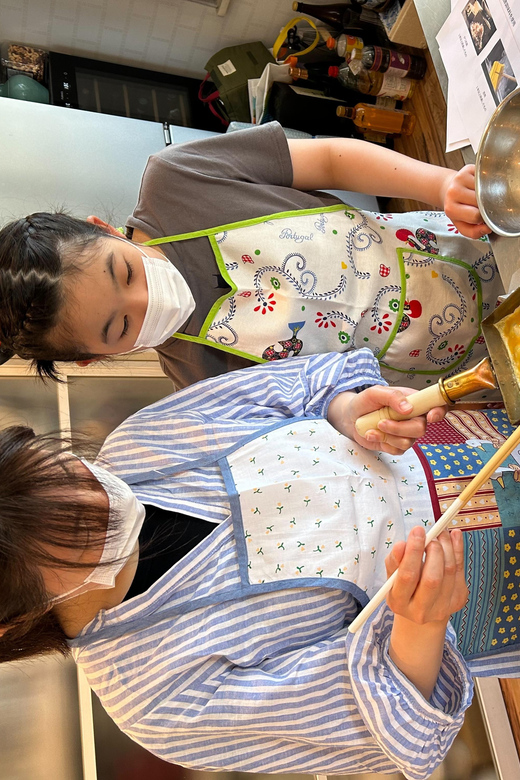
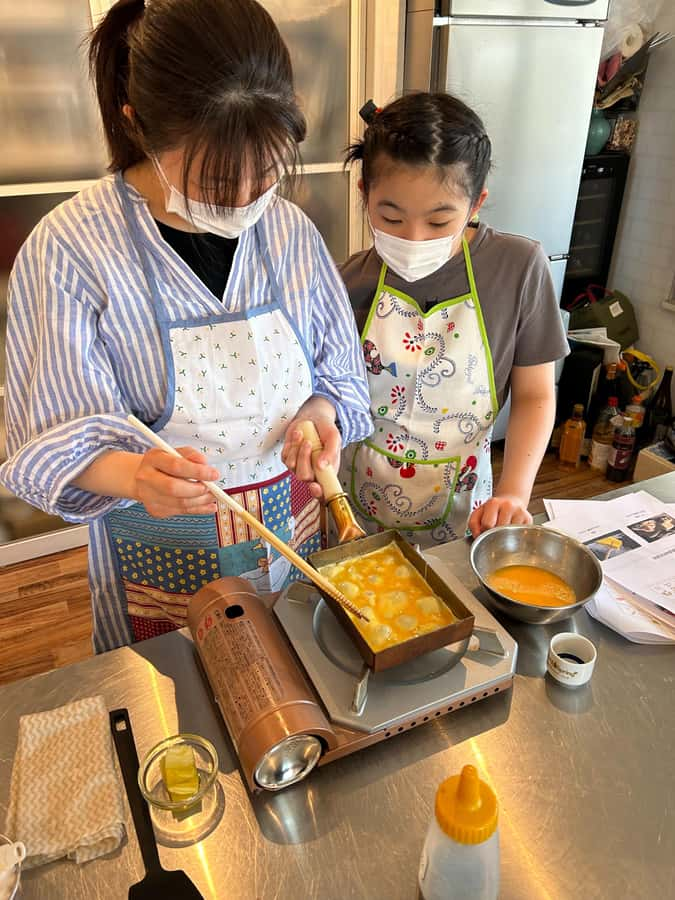
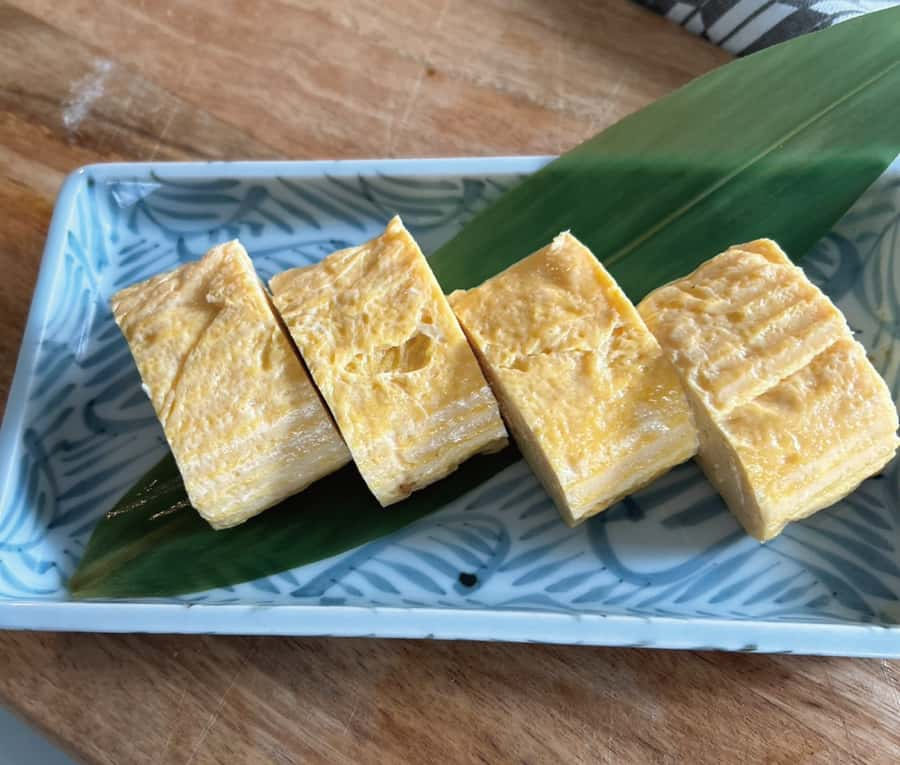
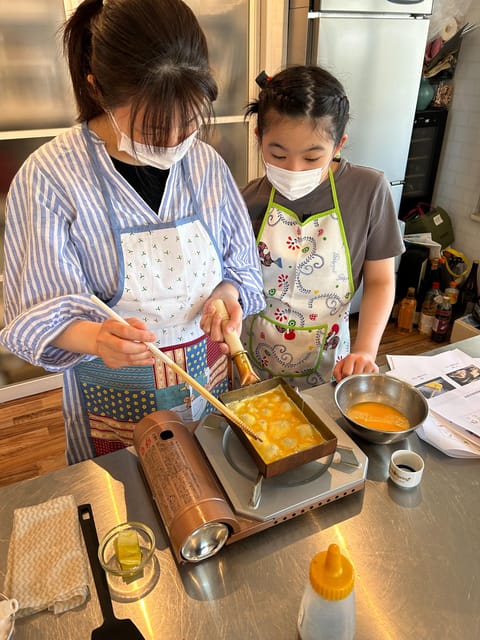
Dashimaki is a Japanese-style rolled omelet made with dashi. The hostess demonstrates how it is prepared, giving you a chance to watch a technique that can be harder than it looks.
A rolled omelet needs control, timing, and a good sense of texture. The dashi also makes the mixture softer and more delicate than a plain Western omelet. Watching the demonstration lets you see the finished style before you focus on your own sushi.
Dashimaki is included in the meal, so you get to taste the result as part of the wider menu. This is a welcome feature because it adds a cooked, egg-based dish to a class that might otherwise focus almost entirely on raw fish and rice.
The demonstration also gives the lesson a useful rhythm. You are not doing every task from start to finish without a break. The teacher can show a technique, explain why it matters, and then guide you through the next activity.
More history behind the scenes in Japan:
- Game of Thrones & History of Dubrovnik Tour
★ 5.0 · 628 reviews - History and Movie Tour of Beaufort by Golf Cart
★ 5.0 · 562 reviews - Memphis: Big Mojo Sun Studio + Music History 3-Hour Bus Tour
★ 4.8 · 325 reviews - Barcelona in 2 Hours: Guided Walk Through History and Sights
★ 5.0 · 203 reviews
Making sushi rice and choosing your style
The sushi lesson includes making sushi rice, an important step that deserves attention. Sushi is not simply plain rice with seafood placed on top. The rice needs the right seasoning and handling so it can support the ingredients without becoming mushy or falling apart.
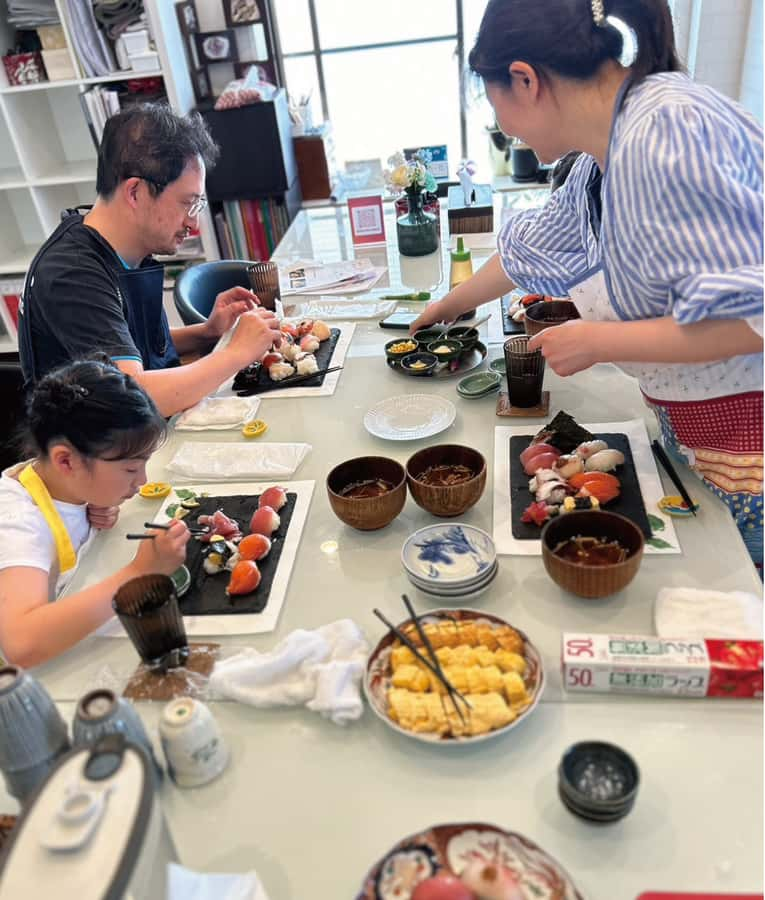
You can choose between nigiri sushi and chirashi sushi. Nigiri is the familiar style of rice shaped by hand and topped with fish. It is the more direct choice if you want to practice forming individual pieces and learn the basic structure of Japanese sushi.
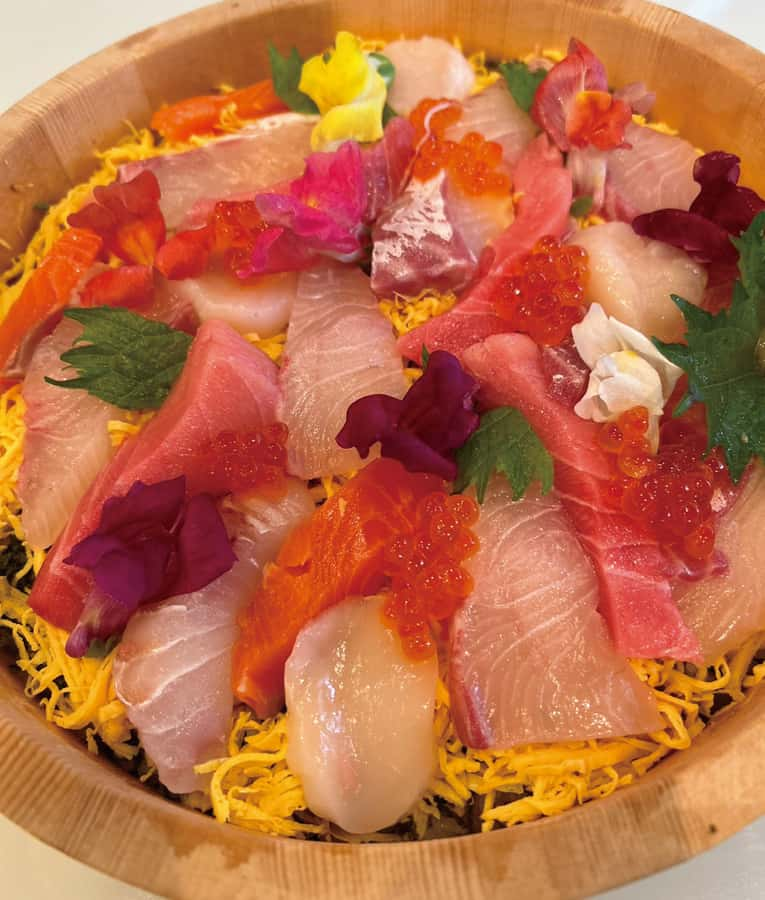
Chirashi sushi uses seasoned sushi rice topped with assorted ingredients, including seafood, egg, and vegetables. It is less dependent on shaping each piece perfectly, making it a sensible choice if you prefer arranging ingredients or want a slightly simpler approach.
This choice helps the class serve different comfort levels. Nigiri gives you a classic sushi-making task, while chirashi lets you focus on the balance of rice and toppings. Neither option is presented as the only correct way to enjoy sushi.
Fresh fish is part of the experience. The supplied information does not specify the exact fish or the final topping selection, so do not book expecting a particular species. The class promises fresh fish, while the precise ingredients may depend on the day.
The extra dishes make this a full meal
The price includes more than the sushi you prepare. Your meal also includes dashimaki, dashi soup, namafu dengaku, and a mitarashi dumpling.
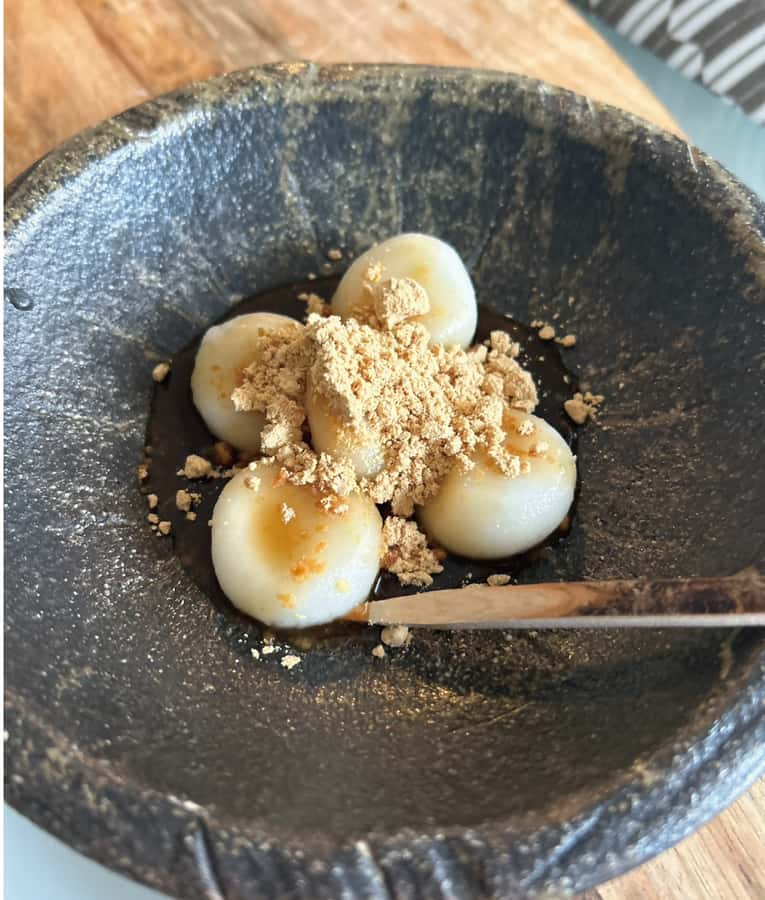
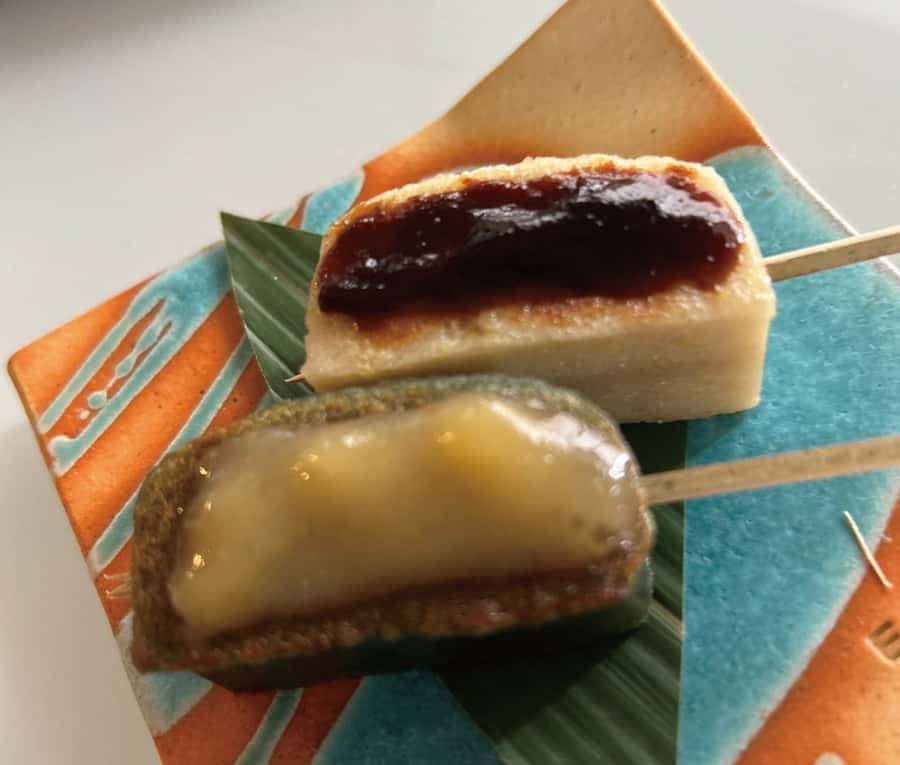
Namafu is a Kyoto-associated wheat gluten food with a soft, chewy texture. Dengaku refers to a style of serving food with a savory or sweet miso topping. This gives you another taste and texture that you may not encounter in an ordinary sushi meal.
Mitarashi dumpling provides the sweet finish. These dumplings are served with a glossy sweet sauce, giving the meal a clear ending rather than leaving you with only savory dishes.
One useful point from the food experience is the amount served. The included meal is substantial enough that you should not treat the class as a tiny demonstration followed by a separate lunch. Plan it as a proper meal in your day.
Alcoholic drinks are available for an additional cost. They are optional, so the advertised price remains focused on the cooking class and food. If you want a drink with the meal, ask about the extra charge when booking or at the studio.
What the two hours are likely to feel like
The class moves through several connected stages: an introduction to Japanese food culture, dashi tasting, the dashimaki demonstration, sushi rice preparation, sushi making, and the included meal.
The exact timing of each section is not specified, so you should not expect a minute-by-minute schedule. The two-hour format is long enough for more than a quick craft activity, but short enough to fit into a busy Kyoto itinerary.
You’ll spend part of the session watching and listening, then take part in the food preparation. This mix suits people who want guidance rather than a completely free-form cooking session. The teacher provides the structure, while you get the satisfaction of making the central dish yourself.
The small group limit should help with visibility during demonstrations. Still, stay attentive and ask questions when needed. Cooking classes work best when you take an active role rather than simply waiting for the next instruction.
Is $96 per person good value?
At $96 per person, this is not the cheapest way to eat sushi in Kyoto. You could certainly find a simple meal for less. The value comes from combining food, instruction, a cultural explanation, and a hands-on activity in one two-hour visit.
You are also receiving a fairly broad menu. Sushi, dashimaki, dashi soup, namafu dengaku, and mitarashi dumpling create a much fuller experience than a lesson focused only on forming nigiri. If you planned to eat lunch or dinner separately, the included meal improves the calculation.
I would consider the price reasonable for someone who values participation and wants to understand Japanese cooking. It is less attractive if your only goal is to eat excellent sushi as quickly as possible. A restaurant will be more efficient for that.
The class is also a good use of a weather-disrupted afternoon. Since the experience takes place indoors, it can rescue part of a Kyoto schedule when temple gardens and outdoor walks are less appealing.
Who should book this experience?
I would recommend it to first-time visitors who want an approachable introduction to Japanese food. You get sushi, soup, omelet, a traditional Kyoto-style dish, and dessert without needing to organize several separate meals.
It also suits families with older children, couples, solo visitors, and small groups of friends. Babies under 1 year are not suitable for the activity, so parents with very young infants should make other plans.
The lesson is a strong match for anyone curious about how Japanese food is built. You will learn about dashi, sushi rice, and the difference between nigiri and chirashi rather than simply taking part in a decorative food activity.
It may be less suitable for someone who wants a highly technical chef-training session. The class is designed as a cultural cooking experience, and the supplied details do not promise professional-level knife work, fish filleting, or advanced sushi skills.
Tell the provider about allergies or dietary restrictions when booking. This matters because the class includes fish, egg, wheat-based namafu, and several prepared dishes. The available information does not promise substitutions, so share your needs early.
Booking details that matter
The activity lasts two hours, and starting times depend on availability. The group is capped at 10 participants. You can reserve now and pay later, which may help if you are still arranging a Kyoto itinerary.
Cancellation is free up to 24 hours before the activity for a full refund. That gives you some room to adjust plans, but you should still check the exact booking conditions attached to your date.
The experience is provided by 株式会社のぞみ. The listed information does not specify the class language, so confirm that point if language support is important to you. It does identify the setting as a small group class and gives the studio location near Kyoto Station and Shijo Subway Station.
Should you book this Kyoto sushi class?
Book it if you want to do more than order sushi. The class gives you a practical look at dashi, sushi rice, dashimaki, and several Japanese dishes, all in a two-hour indoor session led by a teacher with 20 years of class experience.
The strongest reasons to choose it are the full meal, the nigiri or chirashi option, and the focus on everyday Japanese food culture rather than sushi alone. The main caution is the $96 price, which makes sense for a hands-on meal but not for a quick tasting.
If you have a free morning or afternoon near Kyoto Station or Shijo, this is a useful way to spend it. Bring your appetite, mention dietary restrictions in advance, and choose nigiri if you want the classic sushi-making task or chirashi if you prefer arranging a colorful rice dish.
FAQ
Where is the sushi cooking class located?
The class is held at Sumaya cooking class, on the third floor of a hair salon called Salon Roll.
How far is the studio from Kyoto Station?
The kitchen studio is about 10 minutes from Kyoto Station.
How far is the studio from Shijo Subway Station?
The studio is about 5 minutes from Shijo Subway Station.
How long does the class last?
The cooking experience lasts two hours.
How many people can join the class?
The activity is a small-group class limited to 10 participants.
Can I choose which type of sushi to make?
Yes. You can choose between nigiri sushi and chirashi sushi.
What is included in the meal?
The class includes nigiri or chirashi sushi, dashimaki, dashi soup, namafu dengaku, and a mitarashi dumpling.
Are drinks included?
Alcoholic drinks are available as an optional extra cost. They are not included in the listed price.
Can I attend if I have food allergies or dietary restrictions?
You should specify any food allergies or dietary restrictions when booking.
Can I cancel the booking for a refund?
You can cancel up to 24 hours in advance for a full refund.
Just added around Japan
- Anime shopping tour in Osaka: figures, Manga, Maid Cafe, Knife★ 5.0 · 4 reviews
- Osaka Cinematic Film experience Video + Photo (ONLY ONE BOOKING)★ 5.0 · 3 reviews
- Kichijoji Food & Anime Tour in Tokyo with Lunch★ 5.0 · 7 reviews
- Whimsical Walk to a Hidden Anime World: Tokyo Half-Day Tour★ 4.5 · 18 reviews
- Toei Kyoto Studio Park Admission Ticket : Japan’s Edo Period★ 4.0 · 2 reviews
- Kamakura Tour with Pro Photographer: Anime Train & Fuji Sunset★ 5.0 · 4 reviews
- Hiroshima:Private lacquer workshop experience tour(gift included)★ 5.0 · 13 reviews
- Explore the Nature that Inspired Ghibli Movies by Kayak (Half Day)★ 5.0 · 10 reviews
Japan Film Location Tours, compared.

Tokyo Studio Ghibli Museum and Ghibli Film Appreciation Tour
Read our review →
Akihabara Anime & Game Adventure Walking Tour (Group or Private)
Read our review →
Go Daikoku PA Fast & Furious 3 Sports Car Meetup
Read our review →

Fast & Furious Tokyo Drift 3 (Kaila Yu-SP) : Experience Ride JDM
Read our review →
Warner Bros. Studio Tour Tokyo – The Making of Harry Potter
Read our review →
Browse the lists this tour appears in