
REVIEW · CHICAGO
Chicago: Mobsters and Movies Walking Tour
Chicago’s mob past and movie history share the same sidewalks, and this two-hour walking tour makes that connection its main story. You’ll trace Capone, Dillinger, and The Outfit, then see how those same streets became settings for The Dark Knight, Ferris Bueller’s Day Off, The Blues Brothers, and The Untouchables.
I like the clear two-part idea: real crime stories give the movie locations more weight, while film trivia keeps the history moving. I also like the chance to enter notable downtown interiors, including the former Chicago Public Library with its enormous Tiffany glass dome.
The main drawback is its broad route. You cover a large stretch of downtown in two hours, so some stops may feel brief. This is best for people who want a lively overview, not a slow architectural study or a full investigation of every mob site.
Key points at a glance
- Capone and Dillinger sites: Hear about real Chicago crime figures and the places tied to their stories.
- Movie locations you can recognize: Visit settings from The Dark Knight, The Fugitive, The Blues Brothers, Ferris Bueller’s Day Off, and The Untouchables.
- A walk through downtown Chicago: Begin near the Chicago Riverwalk and finish near the former Chicago Public Library.
- Special interiors: See beautiful architectural spaces and the world’s largest Tiffany glass dome.
- A lively history lesson: The guide combines true crime research, movie trivia, and local knowledge.
- Good value at $35: Two hours, a live English-speaking guide, and souvenir photos make this a modestly priced introduction to downtown.
Why the mob and movie pairing works
Chicago has long supplied two kinds of drama: the real kind created by organized crime, and the staged kind created by film crews. This tour puts them next to each other instead of treating them as separate subjects.
That approach gives you a useful way to read the city. A building may be linked to a mob story, then appear a few blocks later as part of a famous chase scene. A civic plaza may recall Chicago’s political power while also serving as a backdrop for a movie. The result is less like a lecture and more like a walk through two overlapping versions of the city.
I especially like this format if you already know a few of the films. Recognizing a spot from Ferris Bueller’s Day Off or The Blues Brothers gives the city an instant sense of place. If you know less about the movies, the tour still works because the crime stories and downtown architecture provide a solid base.
The guide is described as a trained historian, film buff, and Chicago insider. That matters here. You need someone who can explain the difference between real mob history and the way Hollywood reshaped it. The strongest moments should come when the guide connects a documented event with the cinematic version that later made the location famous.
More location walks in Chicago:
- Downtown Chicago TV and Movie Sites Guided Walking Tour
★ 4.5 · 23 reviews - Downtown Chicago TV & Movie Filming Locations Walking Tour
★ 4.8 · 21 reviews - Chicago’s Midway, Movies, and the 1893 World’s Fair Walking Tour
★ 5.0 · 5 reviews
Starting at State and Wacker
The meeting point is the Chase Bank at the corner of State and Wacker. From there, the group begins near the Chicago Riverwalk, one of the most recognizable public spaces in the city.
This is a practical starting point because the river puts you in the middle of downtown architecture right away. You are not spending the first part of the tour on a long transfer to the subject. The city itself becomes the opening scene.
The first section combines mob stories with movie locations along the river. You might hear how real Chicago figures used the city, then learn how filmmakers used the same streets for romantic comedies, crime pictures, and superhero films. The mix gives the opening stretch a quick pace.
You should arrive ready to walk rather than expecting a series of long indoor visits. The tour covers a wide portion of central Chicago, so comfortable shoes are sensible. The supplied information does not give a group size, and afternoon departures are usual, so check the selected date and time before booking.
Underground tunnels and the John Dillinger story
One of the more unusual parts of the route involves underground tunnels used by the Chicago Outfit. That detail takes the story away from familiar movie images and toward the less visible workings of organized crime.
You will also visit the place where John Dillinger saw his girlfriend for the last time. This adds a personal edge to the tour. Mob history can become a list of names, dates, and shootings, but a final meeting gives the story a human moment and helps explain why the location matters.
The nearby movie connections include The Dark Knight and The Fugitive. These films use Chicago in very different ways. One turns downtown into a comic-book city of power and danger, while the other uses its streets and buildings for a tense pursuit. The guide can show you how film changes your view of an ordinary passage, corner, or public building.
The tunnel portion is also a reminder to keep expectations measured. The tour description says you will discover underground tunnels, but it does not promise a long underground exploration or access to every passage. Treat this as a meaningful stop within a larger walking route, not as a dedicated tunnel tour.
The Picasso statue and Chicago’s movie memory
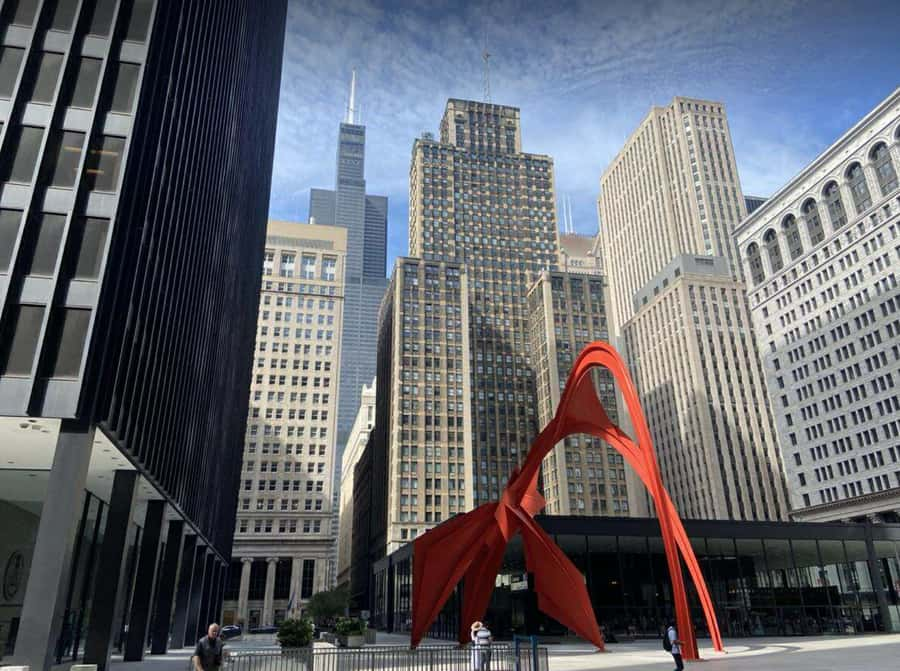
The Picasso statue provides another strong stop. It has served as a filming location for The Fugitive, The Blues Brothers, and Ferris Bueller’s Day Off, making it one of the clearest points where several movie worlds meet.
This is the kind of place that rewards a guide’s storytelling. The statue itself is part of Chicago’s public art scene, but film has given it another identity. You can picture the action around it, then look back at the real civic setting and see how little filmmakers needed to change.
The surrounding corridor also brings in true crime stories connected to Chicago’s centers of power. That combination is useful because it prevents the movie material from becoming a simple list of famous titles. You are also learning how public spaces, government buildings, and business districts shaped the city’s real history.
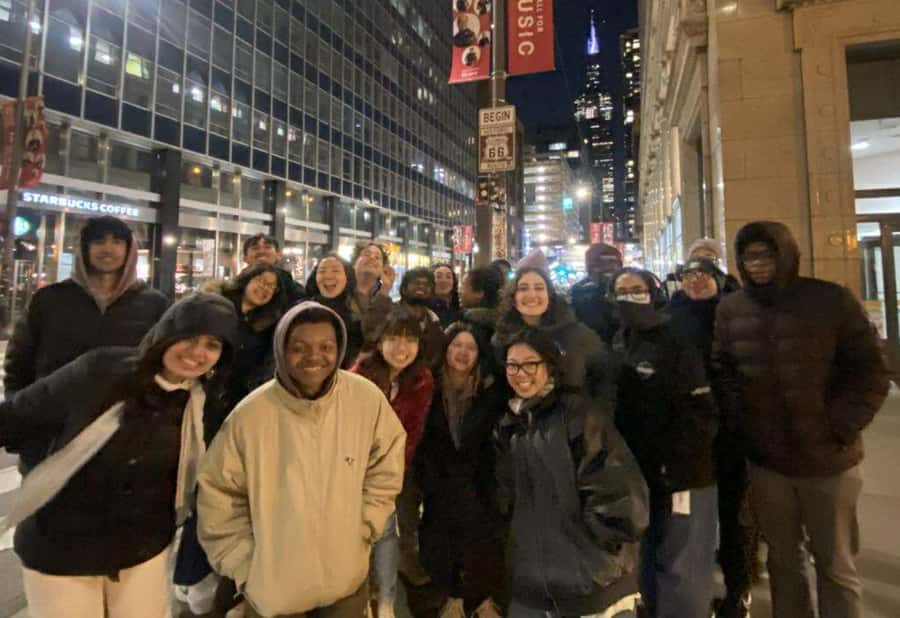
If you enjoy taking photos, this part should offer some of the best chances for souvenir images. Photos are included, which is a nice extra at this price. The description does not specify how many images you receive or how they are delivered, so do not book solely for a large photography package.
A few more filming locations around Chicago worth a look
- Chicago Fire TV Show Set Tour
★ 5.0 · 68 reviews - Chicago Fire TV Show Set Tour
★ 4.9 · 43 reviews - Chicago Gangsters and Movies Tour
★ 5.0 · 38 reviews - Ferris Bueller Movie Tour at the Art Institute of Chicago
★ 5.0 · 26 reviews
Downtown power, The Dark Knight, and The Untouchables
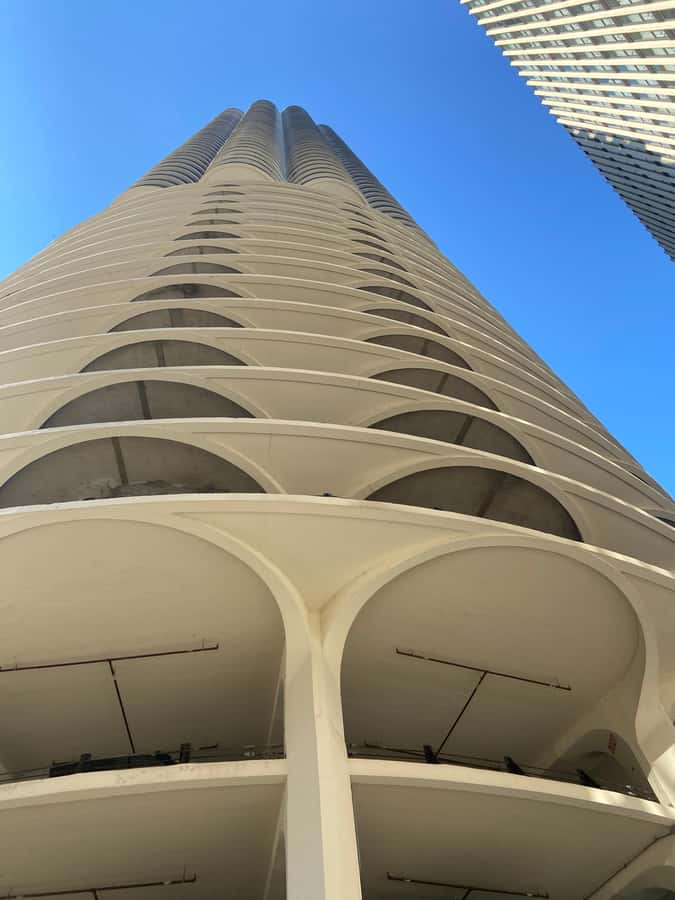
Chicago’s business district supplies some of the tour’s biggest movie moments. The route includes locations connected with The Dark Knight and The Untouchables, two films that use Chicago in sharply different ways.
The Dark Knight presents downtown as a modern city of towers, streets, and hard surfaces. The Untouchables reaches back to the Prohibition era and the struggle against Capone. Seeing both through the same streets helps you understand why Chicago works so well on screen: its architecture can suggest wealth, authority, menace, and movement within a short walk.
The tour also includes beautiful architectural interiors. This is a major benefit. A walking tour focused only on outdoor corners can lose its appeal in poor weather or after the novelty fades. Moving inside gives you a better look at Chicago’s civic design and links the mob stories to the institutions that shaped the city.
The itinerary refers to famous Chicago mob characters along the way, but it does not list each person or every building in advance. If you have one particular film or gangster in mind, ask the guide about it during the walk. The scope is broad, and the guide may need to balance your interests with the planned route.
The Art Institute and Chicago’s cultural mile
The tour discusses the Art Institute and Chicago’s cultural mile in relation to major crimes in the city’s past. This portion adds a different tone. You move from crime stories and action films toward art, civic culture, and the way important institutions fit into Chicago’s identity.
You also receive advice on making the most of a visit to the Art Institute, including art pieces used in famous movies. That is valuable even if you are not visiting the museum on the same day. A guide can point out why certain artworks or galleries appear on screen and help you plan a later museum visit with a clearer purpose.
This is not an Art Institute admission tour. The information provided does not include an entry ticket, and the route is a walking tour rather than a full museum visit. Think of this segment as orientation and context. If the museum is high on your list, plan a separate visit and allow enough time for it.
The cultural mile section also helps keep the tour from becoming too narrowly focused on gangsters. Chicago’s story includes crime, but it also includes public art, libraries, museums, business, and grand civic spaces. That wider view is one reason the experience feels more varied than a standard gangster walk.
Finishing at the former Chicago Public Library
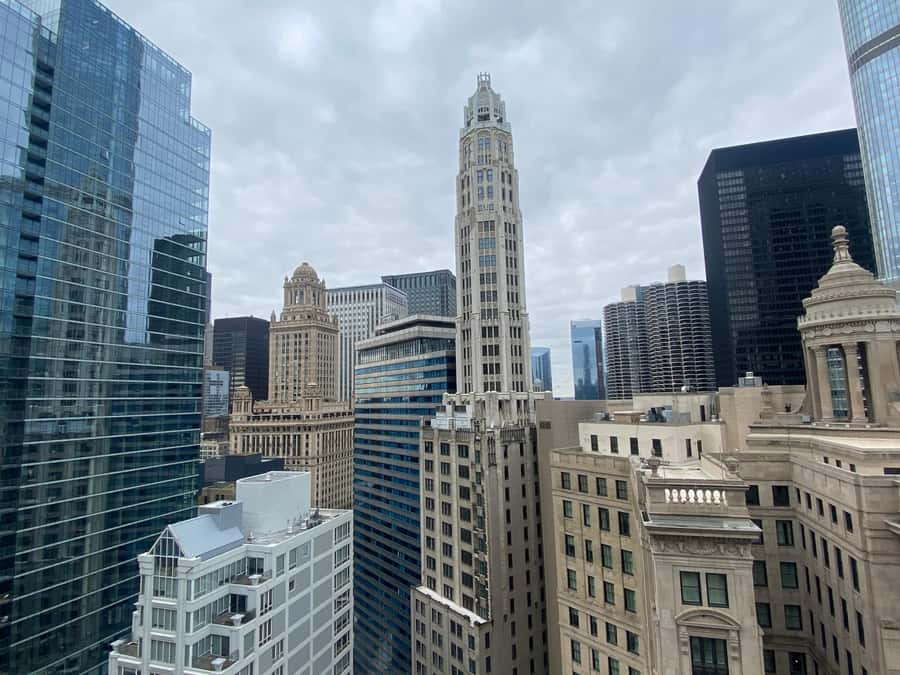
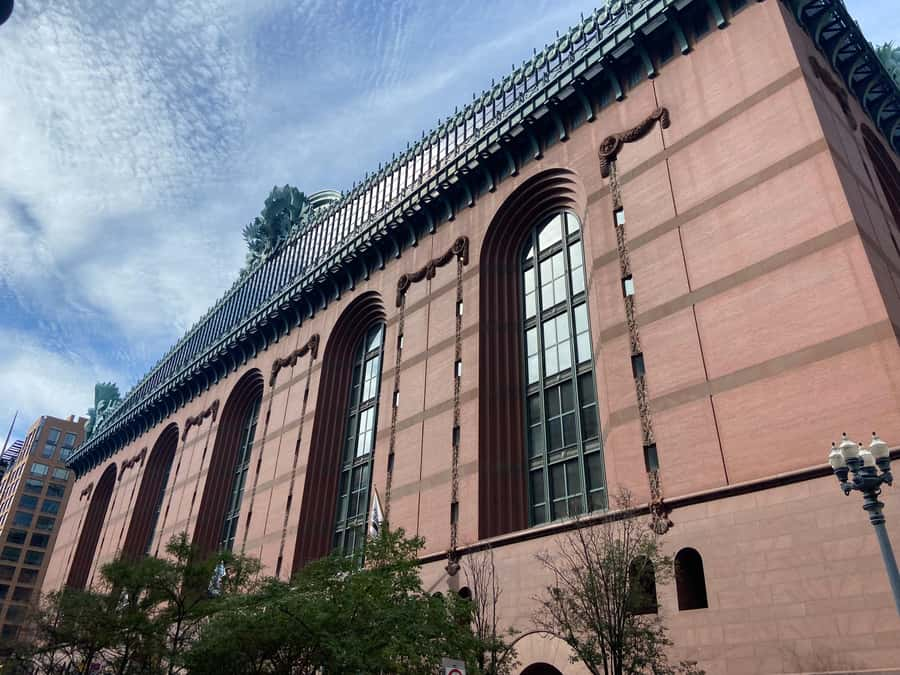
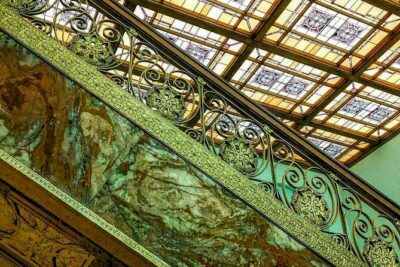
The final stop is the former Chicago Public Library, where the tour visits striking architectural interiors and art exhibits. The building contains the largest Tiffany glass dome in the world, a memorable finish for a route that began with the Chicago River.
This ending is a smart change of pace. After stories of Prohibition crime and movie chases, you get a chance to look up and appreciate craftsmanship, glass, stone, and civic ambition. The building gives the final part of the tour a sense of place beyond the screen.
The location also ties directly to The Untouchables, whose climactic scene was filmed there. That makes the ending a clean blend of the two subjects. You get the movie connection, then the real building itself offers enough interest to hold your attention.
The interior visit may be the strongest architectural part of the walk, but keep in mind that access to public buildings can sometimes depend on opening conditions. The tour information confirms the interior visit as part of the experience, but it does not provide a detailed schedule for each room or exhibit.
What $35 buys you
At $35 per person, this is fairly priced for a two-hour guided walk in central Chicago. You receive a live English-speaking guide, researched true crime and film stories, access to selected interiors, and souvenir photos.
The value is strongest if you want a focused introduction rather than a full-day Chicago program. You are not paying for transportation, a museum ticket, or a boat ride. Instead, you are paying for the guide’s ability to connect places that might otherwise look unrelated.
A river architecture cruise may give you a better view of Chicago’s skyline from the water. A dedicated architecture tour may provide more detail on building styles. A gangsters-only walk may spend longer on crime history. This tour makes a different tradeoff: it gives you a broad downtown route with two linked subjects.
The high rating of 4.9 from seven ratings points to a reliable early response, though the sample is small. The strongest praise centers on the guides making the material clear, lively, and interesting. One piece of useful criticism is a request for more movie locations. That tells you the tour’s film side is appealing, but anyone wanting a long list of movie sites may finish wishing for a longer route.
Who will enjoy this walk most
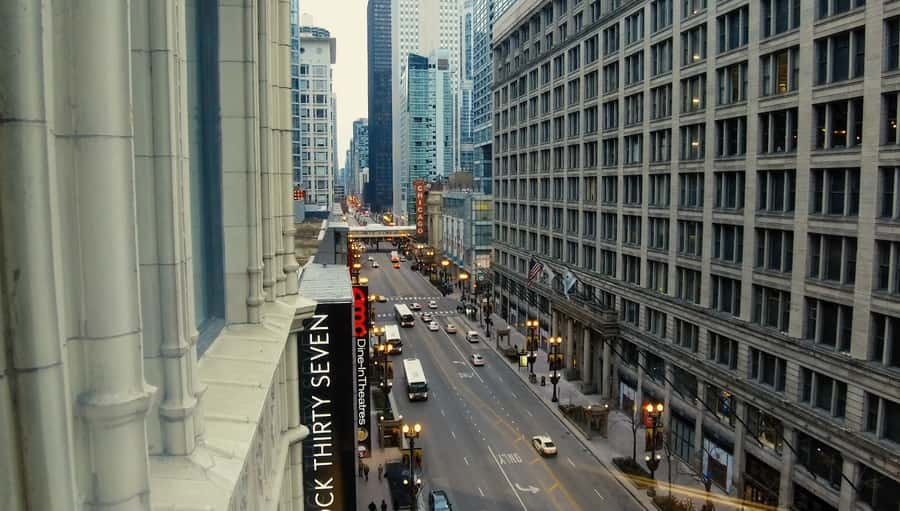
I would recommend this tour to film fans, true crime followers, first-time Chicago visitors, and anyone who likes city history delivered through stories rather than dates alone.
It also suits couples or families with older children who recognize films such as Ferris Bueller’s Day Off or The Blues Brothers. The movie references make downtown more approachable, while the mob stories add a darker edge.
You should choose something else if your main goal is a detailed study of Chicago architecture. You should also look elsewhere if you want a museum visit, a long underground tour, or a dedicated account of every Prohibition-era site.
The route is wheelchair and ADA accessible, but no mobility devices or transportation are provided. That means you need to bring any equipment you require. The experience is in English, and people with a cold are asked not to attend.
Free cancellation is available up to 24 hours before the tour for a full refund, and you can reserve now and pay later. Those terms are useful if your Chicago schedule is still shifting.
Should you book the Mobsters and Movies tour?
Book it if you want a lively downtown walk with two strong hooks: Chicago’s real crime stories and the movies that turned its streets into famous scenes.
The best reason to choose it is the connection between the subjects. You are not simply checking off film locations or hearing a list of mob names. You are seeing how the same streets, civic spaces, tunnels, and buildings helped shape both real Chicago and its Hollywood image.
At $35, it offers good value for a two-hour introduction, especially with indoor architecture and souvenir photos included. Just keep the scope in mind. The route covers a lot, and film fans hoping for every possible location may prefer a longer or more specialized movie tour.
FAQ
Where does the Mobsters and Movies tour meet?
The meeting point is the Chase Bank at the corner of State and Wacker.
How long is the tour?
The walking tour lasts two hours and is usually available in the afternoon.
What language is the tour conducted in?
The tour is conducted in English with a live guide.
Is the tour wheelchair accessible?
Yes. The tour is wheelchair and ADA accessible, but transportation and mobility devices are not provided.
What movie locations are included?
The route includes locations connected with The Dark Knight, The Fugitive, The Blues Brothers, Ferris Bueller’s Day Off, and The Untouchables.
Can I cancel for a full refund?
Yes. You can cancel up to 24 hours in advance for a full refund. You can also reserve now and pay later.
Just added around Chicago
- Chicago P.D. TV Show Set Tour★ 5.0 · 16 reviews
- Ferris Bueller Movie Tour at the Art Institute of Chicago★ 5.0 · 26 reviews
- Harry Potter Shop Chicago: Magical Brew Bundle★ 5.0 · 4 reviews
- Private Downtown Chicago TV and Movie Sites Guided Walking Tour★ 4.5 · 3 reviews
- Downtown Chicago TV and Movie Sites Guided Walking Tour★ 4.5 · 23 reviews
- Harry Potter Shop Chicago: Confectionary Collection★ 4.5 · 3 reviews
- Chicago’s Midway, Movies, and the 1893 World’s Fair Walking Tour★ 5.0 · 5 reviews
- Downtown Chicago TV & Movie Filming Locations Walking Tour★ 4.8 · 21 reviews
Chicago Film Location Tours, compared.
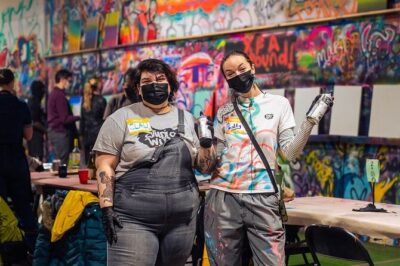
Marvels & Feats: An Engineer’s Tour of Chicago Architecture
Read our review →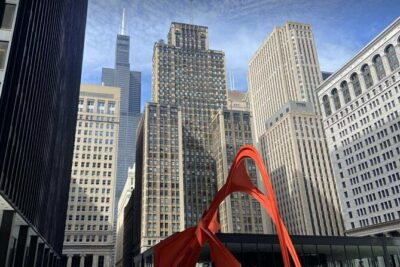
Ferris Bueller Movie Tour at the Art Institute of Chicago
Read our review →
Downtown Chicago TV and Movie Sites Guided Walking Tour
Read our review →
Downtown Chicago TV & Movie Filming Locations Walking Tour
Read our review →Browse the lists this tour appears in