
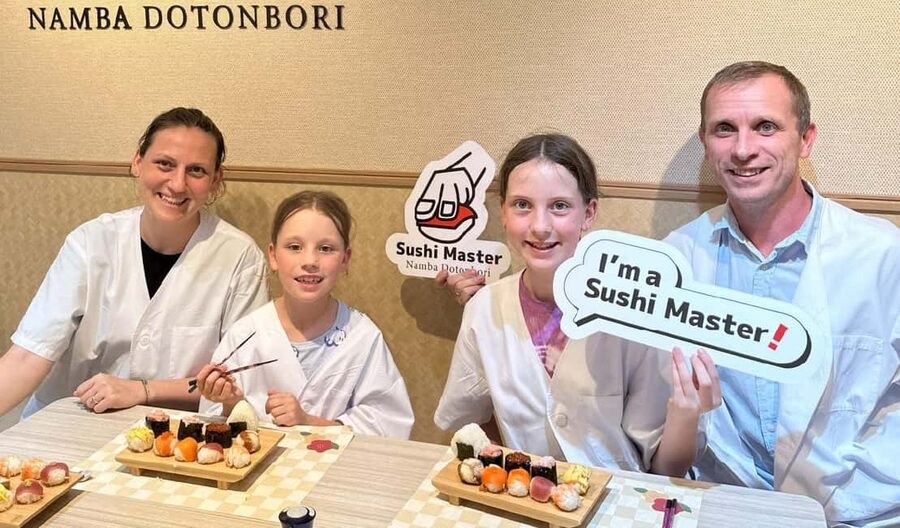
REVIEW · JAPAN
Osaka: Sushi Making in Spacious Studio (SAME-DAY OK!)
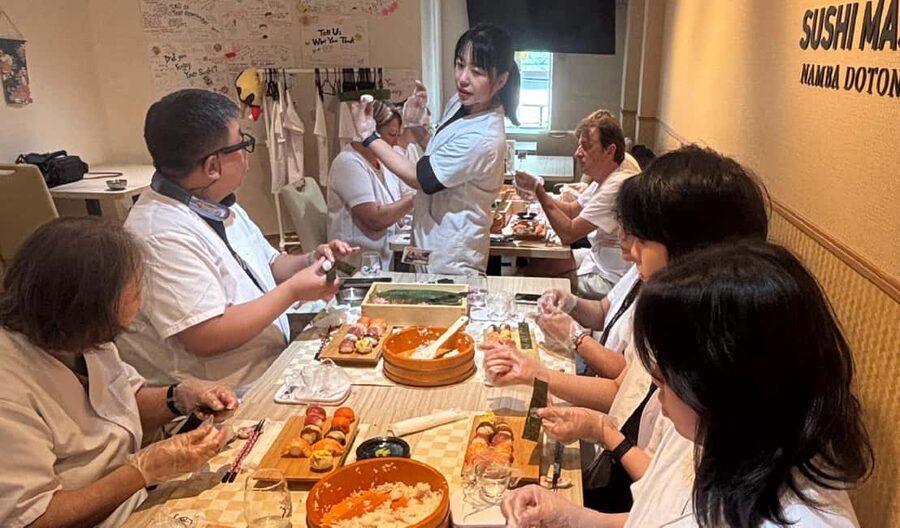
Making sushi in a bright, spacious studio near Namba is a smart way to spend 90 minutes in Osaka. You learn the basics, prepare your own food, and eat it right away. The hands-on work makes Japanese food culture easier to understand than a quick meal at a conveyor-belt restaurant.
I like the friendly English-speaking instruction, especially the patient teaching style associated with instructors such as Naho, Aki, Tsuki, and Seina. I also like the value: for $25, you receive the class, sushi ingredients, a full meal, a certificate, and a small souvenir. You leave with something to remember, not just another photograph.
The main consideration is that this is an introductory class, not professional chef training. Some preparation is done before you arrive, including cooking the rice and preparing fish, egg, and seaweed, so you focus on assembling sushi rather than making every ingredient from scratch. Vegetarian participants should contact the studio in advance.
Key points at a glance
- Three minutes from Namba Station: The central location makes this easy to fit between shopping, sightseeing, and dinner.
- English-friendly teaching: Instructors including Naho, Aki, Tsuki, and Seina explain the steps clearly in English and Japanese.
- Eight or ten pieces to eat: The standard course includes 8 pieces, while the premium course includes 10.
- More than one sushi style: You may work with nigiri, gunkan, rolls, or temari sushi, depending on the class.
- Vegetarian substitutions available: Fish toppings can be replaced with vegetable ingredients if you contact the studio ahead of time.
- A certificate and souvenir included: The finishing touches make this a fun family activity and a pleasant keepsake.
Why this Namba sushi class works so well
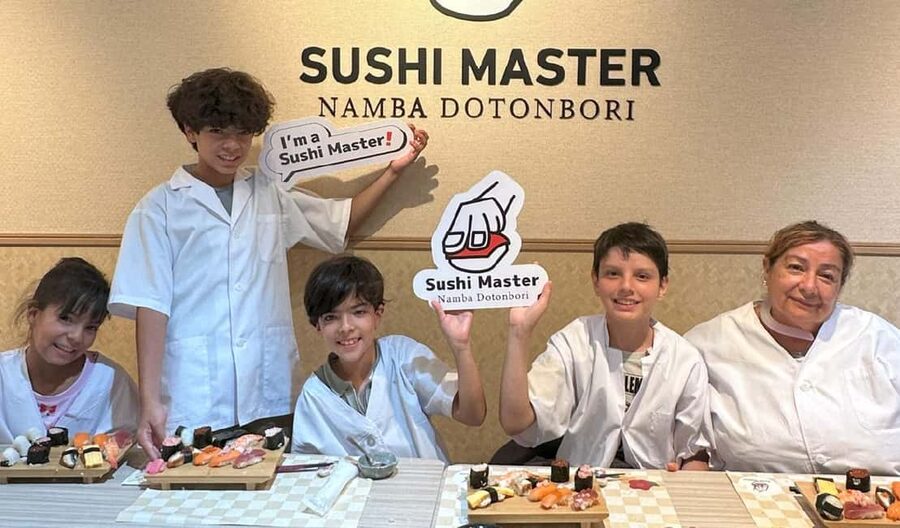
Osaka has no shortage of good food, but eating sushi and making sushi are two different experiences. At this class, you handle the rice, arrange the toppings, and see how a few careful steps turn simple ingredients into a meal.
That matters because sushi can look effortless when a trained chef makes it. The class shows you the small details behind that neat appearance. You learn how sushi rice is prepared and how to shape and assemble basic pieces without needing previous experience.
The setting also helps. You are not being rushed through a crowded market stall or asked to follow a complicated lesson in Japanese. The studio is described as spacious, and the instruction is designed for people traveling alone, couples, families, and first-time cooks.
I especially like the social balance. You get direct help from the instructor, but the class is still active. You are not sitting through a long lecture while someone else does the work.
Other filming locations people visit in Japan:
- Tokyo: Fast & Furious Tokyo Drift III Experience
★ 4.8 · 2,432 reviews - Tokyo Studio Ghibli Museum and Ghibli Film Appreciation Tour
★ 4.5 · 421 reviews - Akihabara Anime & Game Adventure Walking Tour (Group or Private)
★ 5.0 · 404 reviews
Finding the studio near Namba
The studio is about three minutes from Namba Station, one of Osaka’s most useful transport areas. That makes this class easy to pair with a day around Dotonbori, Shinsaibashi, or the wider Namba district.
The meeting instructions are important. Search for Sushi Master Namba on Google Maps rather than relying only on the supplied map, which may be slightly misaligned. The studio is on the second floor of a narrow orange-colored building.
That description is more useful than it may sound. Namba has plenty of signs, side streets, and compact buildings, so look for the orange facade and the second-floor location. If you cannot find it, the listed phone number is 0664848070.
Give yourself a few extra minutes. The class lasts 90 minutes, and arriving late could mean missing the introduction or the first preparation steps. Smoking is not allowed, and outside food or drinks should not be brought into the studio.
The welcome, food culture, and first lesson
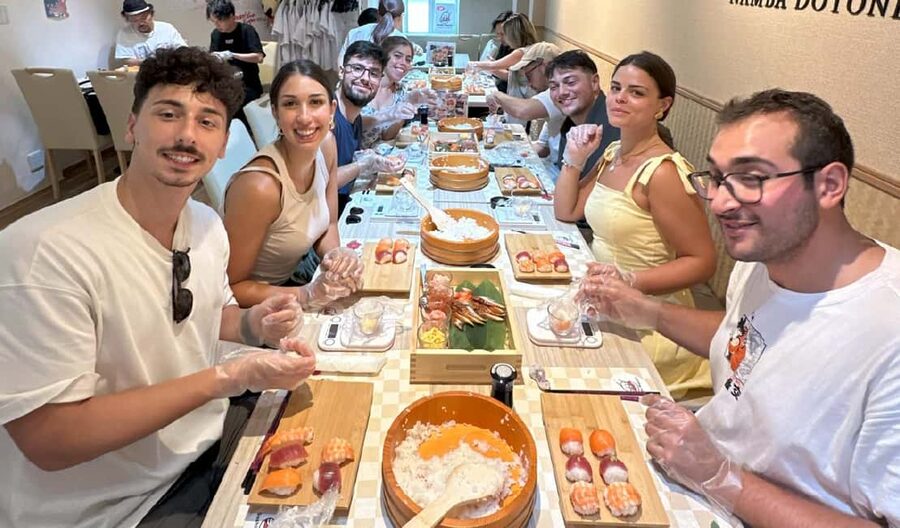
The class begins with a welcome and an introduction to Japanese food culture. You may also watch an informative video before getting to work.
This opening gives the activity some context. Sushi is not just a set of toppings placed on rice. The rice, seasoning, shape, and balance all matter. A short introduction helps you understand what you are trying to achieve before your hands get busy.
The strongest part of the opening is the clear communication. The instructors teach in English and Japanese, and the English instruction has been praised repeatedly for being easy to follow. Names that come up often in the class team include Naho, Aki, Tsuki, and Seina, with each described as friendly, patient, and attentive.
That personal guidance is useful for solo participants. You do not need to arrive with a group to feel comfortable. The activity is also suitable for children and families, though younger children may need help with shaping and handling ingredients.
Learning sushi rice and basic preparation
The class places special attention on sushi rice, which is the right place to start. Good toppings cannot rescue poorly prepared rice, so learning the basic texture and handling is more useful than simply copying a shape.
The studio prepares some items before you arrive. The rice, fish, egg, and seaweed may already be ready for use, allowing you to concentrate on cooling the rice and assembling the sushi. This keeps the 90-minute session practical and prevents the class from turning into a long wait for ingredients.
There is a tradeoff here. You will not experience every part of the process from raw ingredient to finished plate. If you want an advanced lesson in rice cooking, fish cutting, or professional knife work, this class will feel basic.
For most people, that is a fair exchange. You spend more time making sushi and less time watching someone else prepare it. The result is a class that works for a first visit to Japan, a family outing, or a short activity between larger Osaka plans.
Same place, a completely different screen:
- Tokyo: Go Daikoku PA Fast & Furious 3 Sports Car Meetup
★ 4.6 · 356 reviews - Ghibli Park 1-Day Bus Tour from Nagoya
★ 4.5 · 277 reviews - Fast & Furious Tokyo Drift 3 (Kaila Yu-SP) : Experience Ride JDM
★ 4.5 · 189 reviews - Warner Bros. Studio Tour Tokyo – The Making of Harry Potter
★ 4.8 · 181 reviews
Making nigiri, gunkan, rolls, and temari sushi
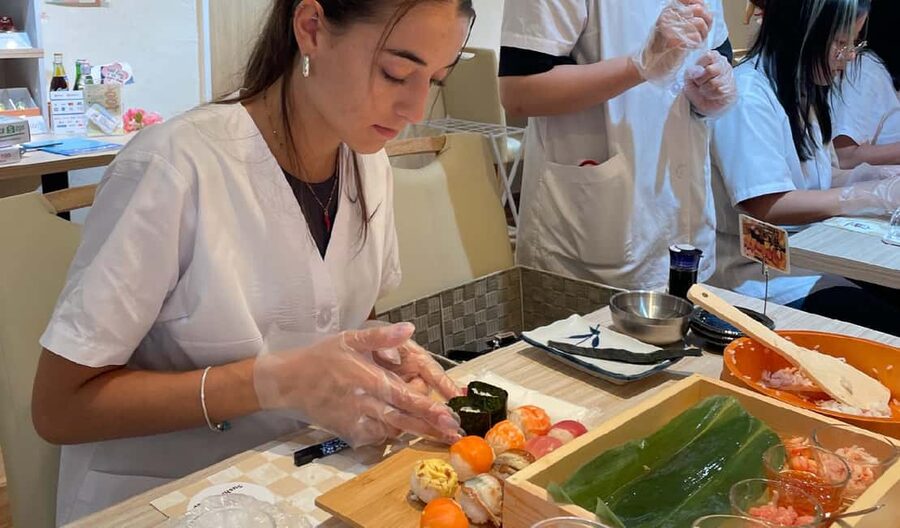
The central part of the activity is hands-on assembly. The specific pieces can vary, but the class covers basic sushi styles such as nigiri and gunkan. Some sessions also include rolls or temari sushi.
Nigiri is the familiar combination of rice and a topping. It looks simple, but shaping the rice evenly takes a little care. Gunkan sushi has a seaweed wrapper around the rice, creating a small cup for the topping. Temari sushi is rounded and decorative, and it can be especially enjoyable if you like making food that looks good on the plate.
The class offers a standard course with 8 pieces and a premium course with 10 pieces. That is a useful difference when you are comparing options. Eight pieces should provide a solid meal alongside the learning, while 10 gives you a little more food and practice.
You should expect guidance rather than perfection. Your first pieces may not have the clean shape of sushi from a specialist counter, and that is part of the fun. The instructor helps you correct your technique, and the finished plate gives you an immediate reward for paying attention.
Eating what you make
After the preparation, you eat the sushi you have made in the studio. This is one of the best reasons to choose a class instead of a demonstration.
The meal gives the lesson a clear finish. You have handled the rice, placed the toppings, and assembled the pieces, so tasting them becomes part of the learning. You can judge the texture, balance, and appearance for yourself.
The portions are described as generous enough to make the food feel like a proper part of the activity. The ingredients are also presented as good quality, with fresh-tasting sushi noted in the experience details.
Drinks are not included, but you can order soft drinks or alcohol during the class. Carefully selected sake may be available to enjoy with your sushi. If you want sake or another drink, budget separately from the $25 class price.
The no-outside-food rule is straightforward. Eat what the class provides, and do not bring snacks or drinks from elsewhere.
The certificate and small Japanese gift
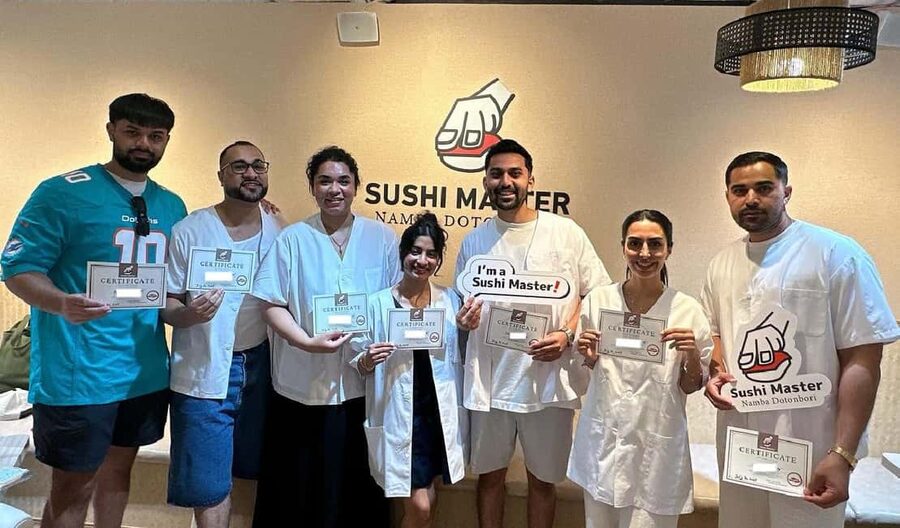
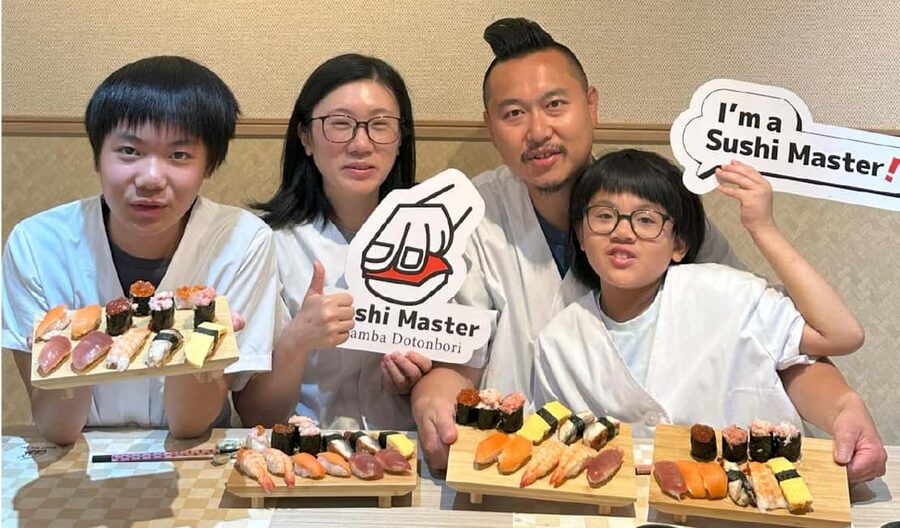
At the end, you receive a Sushi Master Certificate and a small Japanese souvenir. Neither replaces the class itself, but both add a pleasant sense of occasion.
The certificate works especially well for children, families, and anyone who enjoys a physical reminder of a trip. It also gives the activity a clear finish. You do not simply leave after eating; you receive a small record of what you learned.
The souvenir is described as cute rather than costly. Keep your expectations sensible. This is a thoughtful extra, not a major shopping item, but it is a nice touch at this price.
The instructors may also take photos for you during the activity. That can be useful if you are traveling alone or want a picture of the finished sushi without asking another participant.
Vegetarian options and food concerns
Vegetarian substitutions are available, but you must contact the studio in advance if anyone in your group is vegetarian. The fish toppings can be replaced with vegetable-based ingredients.
You should also report allergies ahead of time. This is particularly important in a food class, where rice, seaweed, fish, egg, and other ingredients may be handled together.
The available information does not promise a separate kitchen or a fully allergen-free environment. If you have a serious allergy, contact the operator before booking and explain your needs clearly. The studio phone number is 0664848070.
The class is not suitable for anyone who wants to bring outside food or drinks. Plan to use the ingredients provided and any drinks ordered inside the studio.
Is $25 good value?
At $25 per person, this is strong value for a central Osaka activity. The price covers a 90-minute lesson, ingredients, 8 or 10 pieces of sushi, the meal you make, a certificate, and a small souvenir.
The value is not just in the amount of food. You are paying for instruction in English, a convenient Namba location, and an activity that gives you something to do rather than simply another restaurant stop.
The standard course should suit most people. Choose the premium 10-piece option if you want more food or more practice. Drinks cost extra, so include that in your budget if you plan to order sake or soft drinks.
The class also compares well with expensive dining experiences because it offers participation. It will not replace a high-end sushi counter, and it does not aim to. Instead, it combines a meal with a short cultural lesson at a modest price.
Who should book this experience?
I would recommend it to first-time sushi makers, families, solo participants, couples, and anyone who wants a low-pressure activity near Namba. It is especially useful on a rainy day or when you want a break from shopping and sightseeing.
It suits people who enjoy learning by doing. If you prefer to sit quietly while a chef prepares everything, choose a restaurant instead. If you want to understand how sushi comes together and eat your own work, this class is a better fit.
The English instruction makes it accessible to international visitors, and the friendly teaching style helps take the pressure off beginners. The class has also worked well for people traveling alone, since you can ask questions and receive direct help.
Families should consider the 90-minute length. It is long enough to feel worthwhile but short enough to hold a child’s attention better than a lengthy cooking course.
Booking details that matter
You can cancel up to 24 hours in advance for a full refund. The reserve-now, pay-later option allows you to hold a place without paying immediately, which is useful while arranging an Osaka schedule.
Check available starting times before booking because the class operates at set times. Contact the studio in advance for vegetarian substitutions or allergy information.
The activity is run by WILL Co., Ltd. Instruction is offered in English and Japanese. The class is located in Honshu, Japan, in the Namba area of Osaka.
My verdict: a practical Osaka food activity
You should book this class if you want a friendly, affordable introduction to sushi that includes food, instruction, and a small keepsake. The strongest points are the central location, patient English-speaking teachers, generous hands-on practice, and the chance to eat your finished pieces immediately.
You should skip it if you are seeking advanced sushi training, raw fish preparation, or a formal chef’s course. The studio handles some preparation before you arrive, so the focus is basic assembly and cultural context.
For most people, that focus is exactly right. At $25, you get a useful taste of Japanese food culture without giving up half a day. Come hungry, allow a few extra minutes to find the orange building, and contact the studio ahead of time about allergies or vegetarian ingredients.
FAQ
How long does the sushi-making class last?
The class lasts 90 minutes.
Where is the sushi class located?
It is in Namba, Osaka, about three minutes from Namba Station. Search for Sushi Master Namba on Google Maps. The studio is on the second floor of a narrow orange-colored building.
How many sushi pieces do I make?
The standard course includes 8 pieces. The premium course includes 10 pieces.
Is the class taught in English?
Yes. Instruction is offered in English and Japanese, and the instructors include English-speaking teachers such as Naho, Aki, Tsuki, and Seina.
Are vegetarian options available?
Yes. Fish toppings can be replaced with vegetable-based ingredients, but you must contact the studio in advance.
Are drinks included in the price?
No. Soft drinks and alcohol can be ordered during the class, but drinks cost extra.
What is included with the booking?
The booking includes sushi ingredients, the sushi meal you make, a Sushi Master Certificate, and a small Japanese souvenir.
Just added around Japan
- Anime shopping tour in Osaka: figures, Manga, Maid Cafe, Knife★ 5.0 · 4 reviews
- Osaka Cinematic Film experience Video + Photo (ONLY ONE BOOKING)★ 5.0 · 3 reviews
- Kichijoji Food & Anime Tour in Tokyo with Lunch★ 5.0 · 7 reviews
- Whimsical Walk to a Hidden Anime World: Tokyo Half-Day Tour★ 4.5 · 18 reviews
- Toei Kyoto Studio Park Admission Ticket : Japan’s Edo Period★ 4.0 · 2 reviews
- Kamakura Tour with Pro Photographer: Anime Train & Fuji Sunset★ 5.0 · 4 reviews
- Hiroshima:Private lacquer workshop experience tour(gift included)★ 5.0 · 13 reviews
- Explore the Nature that Inspired Ghibli Movies by Kayak (Half Day)★ 5.0 · 10 reviews
Japan Film Location Tours, compared.

Tokyo Studio Ghibli Museum and Ghibli Film Appreciation Tour
Read our review →
Akihabara Anime & Game Adventure Walking Tour (Group or Private)
Read our review →
Go Daikoku PA Fast & Furious 3 Sports Car Meetup
Read our review →

Fast & Furious Tokyo Drift 3 (Kaila Yu-SP) : Experience Ride JDM
Read our review →
Warner Bros. Studio Tour Tokyo – The Making of Harry Potter
Read our review →
Browse the lists this tour appears in