

REVIEW · BARCELONA
Marvels of Barcelona Walking Tour
Barcelona’s old center is best understood on foot, one narrow lane and quiet square at a time. This two-hour Gothic Quarter walk links Roman Barcelona, medieval power, Jewish heritage, church architecture, and local stories without asking you to spend half a day on your feet.
I like the clear historical thread, which runs from Barcino to the city’s Golden Age. I also like the human touch: guides such as Jamie, Rolene, and Mariah have been praised for good pacing, humor, strong storytelling, and practical food advice. The main limitation is that cathedral entry is not included, so this is an exterior-focused introduction rather than a full church tour.
Key details before you book
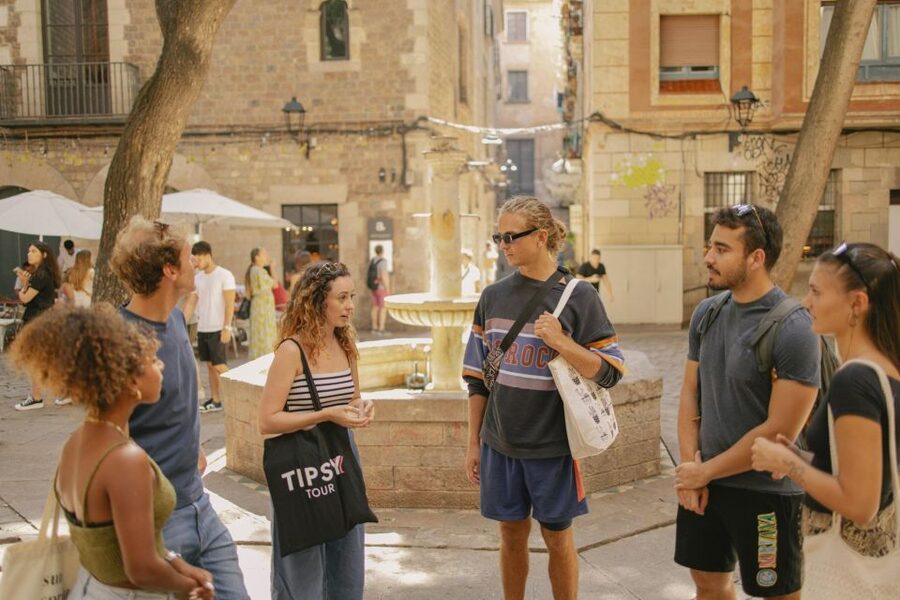
- Roman Barcelona begins at Plaça Nova: Meet beside the Barcino sculpture, in front of the large letters, where the guide carries a yellow Carpe Diem Tours sign.
- Eleven central stops fit into two hours: Expect short explanations at each site, frequent walking, and pauses for photographs.
- The story moves across 2,000 years: Roman foundations lead into medieval religion, government, commerce, and Jewish life.
- English is the tour language: The live guide explains the sites through facts, anecdotes, and local context.
- The price is $22 per person: That is a fair rate for a guided introduction to Barcelona’s historic core.
- Bring sensible shoes and a camera: You will be on foot through old streets and public squares, with no cathedral admission included.
Starting among the stones of Roman Barcino
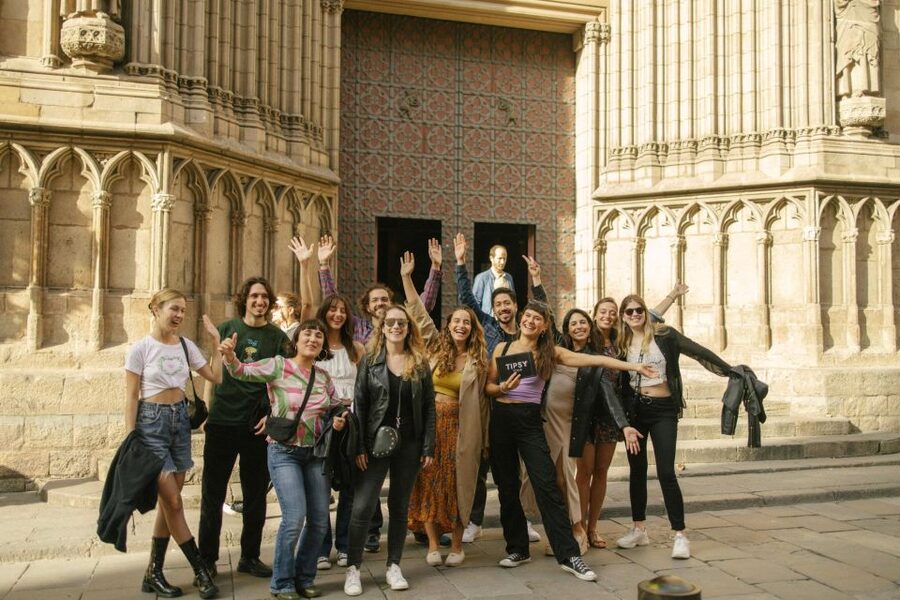
Your meeting point is Plaça Nova, at number 40, beside the prominent Barcino sculpture. Look for the large letters and the yellow Carpe Diem Tours sign. This is a useful place to begin because the tour does not start with a broad, vague account of Barcelona. It starts with the city’s Roman identity.
The Roman name, Barcino, gives you the first piece of the puzzle. From here, your guide sets up the long story of Barcelona’s growth, from a Roman settlement to a medieval center and then to the modern Catalan capital. That framework matters. Without it, the Gothic Quarter can feel like a maze of handsome buildings. With it, the streets become layers of city history.
The tour is conducted in English. The guide is expected to combine factual explanation with stories and anecdotes, rather than simply reciting dates. That makes a difference in a district where the most interesting details are often easy to miss at street level.
More location walks in Barcelona:
- Barcelona in 2 Hours: Guided Walk Through History and Sights
★ 5.0 · 203 reviews - Barcelona Marvels: A Guided Walking Tour of the City’s Highlights
★ 5.0 · 43 reviews - Barcelona: Marvels of Barcelona Walking Tour
★ 4.9 · 36 reviews
Els Quatre Gats and Barcelona’s artistic character
Els Quatre Gats is the first listed stop, with about ten minutes of guided explanation. The name refers to the famous café and meeting place associated with Barcelona’s artistic life. The stop helps shift the tour from ancient Barcelona toward the city’s later cultural identity.
You will not have time for a long interior visit as part of this schedule, and admission is not listed as included. Still, a short explanation here gives you useful context for the city’s mix of medieval streets and modern artistic energy.
The ten-minute format is worth understanding. This is not a museum tour with extended time inside each site. It is a moving lesson, with enough time to hear the main story, look around, and take a photograph before continuing.
The Kiss of Freedom and the art of reading public spaces

The Kiss of Freedom is another ten-minute stop. Public art can be easy to pass without a second thought, especially in a city filled with ornate churches and grand civic buildings. A guide gives you a reason to pause and explains how a modern artwork fits into the city around it.
This stop also adds a change of pace. The tour is not limited to Roman remains or church facades. It includes public spaces and visual symbols that help you see Barcelona as a living city, not just an open-air history book.
I would pay attention to the guide’s anecdotes here. The tour’s strongest quality appears to be its storytelling. Jamie was praised for keeping the group engaged and allowing regular pauses, while Mariah was singled out for making the stories lively. Those qualities are particularly useful at stops that might otherwise receive only a quick glance.
Barcelona Cathedral and the medieval heart
Barcelona Cathedral receives its own guided stop, also listed at around ten minutes. Its scale and Gothic detail make it one of the major visual anchors of the route. Your guide explains its place in the city’s religious and civic story while you take in the exterior.
Remember that entry into cathedrals and basilicas is not included. If you want to go inside, you will need to handle that separately, subject to the site’s own opening rules and admission arrangements. The tour itself is best treated as a guided look at the cathedral and its setting, not as a ticketed interior visit.
The short stop works well for a first visit. You get enough background to understand why the building matters, without using the entire walking tour on one church. If cathedral interiors are a major priority for you, plan extra time before or after the activity.
Same place, a completely different screen:
- Barcelona: Icebar experience, located at the beach !!
★ 4.1 · 1,063 reviews - From Barcelona: Girona, Game of Thrones Tour
★ 4.3 · 247 reviews - From Barcelona: ‘Game Of Thrones’ Small Group Tour in Girona
★ 5.0 · 217 reviews - Barcelona Highlights Bike Tour: Cycle along the beach!
★ 4.5 · 156 reviews
La Casa de l’Ardiaca and the Bishop’s Bridge
La Casa de l’Ardiaca and the Bishop’s Bridge follow as two connected stops in the Gothic Quarter. The house is tied to the former archdeacon’s residence, while the bridge is one of the district’s most recognizable architectural details.
This part of the walk shows why a local guide is useful. The old quarter has plenty of striking stonework, but you can easily walk past a doorway, courtyard, or bridge without knowing its purpose. Your guide supplies the connection between architecture and the institutions that once shaped the area.
The Bishop’s Bridge is also a strong photograph stop. You should have time to look up, frame the details, and listen without feeling pushed along. One of the most appealing comments about the tour was its pacing, with breaks that made the two hours manageable even for people who do not usually enjoy long walks.
Plaça Sant Felip Neri, a quieter and more thoughtful pause
Plaça Sant Felip Neri brings the group into one of Barcelona’s most memorable squares. It is quieter and more enclosed than the city’s main public plazas, with a very different mood from the open streets nearby.
The guide’s explanation gives the square its emotional and historical weight. This is a place where the details of the walls and surrounding buildings matter, and a few minutes of context can change how you see it.
I like this stop because it demonstrates the tour’s basic promise: not just the most famous buildings, but places where Barcelona’s past is felt through scale, silence, and setting. You may find this one of the most affecting pauses on the route, even though it is not the longest stop.
MUHBA El Call and the former Jewish quarter
The route then reaches MUHBA El Call, connected with Barcelona’s former Jewish quarter. This is one of the most useful historical stops because it broadens the story beyond churches, royal power, and Roman remains.
The name El Call refers to the Jewish quarter, and the area helps you understand that medieval Barcelona was home to different communities with their own religious, commercial, and social lives. Your guide’s role here is to provide context that the narrow lanes alone cannot supply.
The stop is listed at around ten minutes, so think of it as an introduction rather than a full museum visit. If you want an in-depth look at the history of Barcelona’s Jewish community or the museum’s displays, you will need separate time. For a walking tour, though, this is a valuable inclusion because it makes the city’s medieval story less one-dimensional.
Plaça de Sant Jaume, where civic Barcelona gathers
Plaça de Sant Jaume is the city’s main civic square and an important point in the route. Here, the tour shifts from private lanes and religious buildings to public power.
Your guide explains the square’s place in Barcelona’s government and civic life. It is a good location for understanding how the city’s political identity developed alongside its religious and commercial centers.
The square can feel much more open than the streets around it, so it gives you a welcome change in space and perspective. You can also use this stop to connect the pieces already covered: Roman origins, medieval authority, religious institutions, and the continuing role of Barcelona’s historic center.
Plaça del Rei and the royal medieval city

Plaça del Rei brings the route back to medieval Barcelona’s royal setting. The square is surrounded by buildings that convey the authority of the crown and the importance of the old city.
This is one of the stops where a guide’s chronology is particularly helpful. Instead of seeing the square as a collection of stone facades, you learn how it fits into the city’s development during the medieval period and the era often associated with Barcelona’s Golden Age.
You should expect a guided exterior explanation rather than a full museum visit. The tour’s purpose is to give you a strong sense of place, then move on. If you have limited time in Barcelona, that approach lets you see several major areas in one compact outing.
Santa Maria del Mar and the final stretch
The listed route includes Santa Maria del Mar, also known as the Cathedral of the Sea. This basilica is one of Barcelona’s best-known religious landmarks, and its inclusion gives the walk a fitting final architectural highlight.
As with the other churches, admission is not included. The guide can explain the building’s importance from outside, but you should not assume the tour includes an interior visit.
The route description says the activity ends back at the original meeting point, while Santa Maria del Mar appears as the final sightseeing stop. Confirm the exact return arrangement and timing when you book, especially if you have a restaurant reservation or another timed activity afterward.
What the two-hour pace feels like
Two hours is a smart length for this kind of introduction. You cover a lot of ground, but the tour does not ask you to devote an entire morning or afternoon to one district. Each stop receives roughly ten minutes of attention, with walking time between them.
The pace should suit you if you want a clear orientation early in your stay. Afterward, you can return to the places that caught your interest, enter a cathedral on your own, or explore the surrounding lanes without feeling lost.
You should still wear comfortable shoes. The route runs through the historic center, and even a short walking tour can become tiring if your footwear is poor. Comfortable clothing, water, and a camera are sensible choices, although only shoes, a camera, and comfortable clothes are specifically listed as things to bring.
The guides appear to be a major part of the experience. Jamie was praised for an easy pace, photo pauses, and restaurant suggestions at the end. Rolene was appreciated for clear English and her grasp of Gothic Quarter facts. Mariah was described as an engaging storyteller. Guide assignments can change, so you should not book expecting one particular person, but these examples show the kind of delivery the tour aims for.
Is $22 a fair price?
At $22 per person, this is good value if you want a structured introduction to the old city. You are paying for two hours with a live English-speaking guide, a carefully connected route, and local explanation at eleven places.
The value is strongest for first-time visitors. A self-guided walk costs nothing, but you may miss the meaning of the Bishop’s Bridge, the history of El Call, or the role of Plaça de Sant Jaume. The guide also saves you the work of planning a route through streets that can be confusing at first.
The price is less compelling if you want lengthy interior visits. Cathedral and basilica entry fees are separate, and the tour does not promise extended time at any single site. Think of it as a city orientation with stories, not a collection of admissions.
The booking terms add useful flexibility. You can reserve now and pay later, and cancellation is allowed up to 24 hours in advance for a full refund. Starting times vary, so check availability before making other plans.
Who should book this Barcelona walk?
I would recommend it to first-time visitors, short-stay visitors, and anyone who wants the Gothic Quarter to make sense before exploring alone. It also suits you if you enjoy history delivered through anecdotes rather than a long academic lecture.
Families with older children may find the two-hour format manageable, provided everyone is comfortable walking. The frequent stops and visual variety should help keep the route moving.
It is less suited to you if you need wheelchair-access details, a private guide, or an interior-focused cathedral tour, since none of those features is specified. It is also not the right choice if you want to cover Gaudí’s major modernist buildings in detail. One review praised the guide for explaining Gaudí and lesser-known facts, but this route is centered mainly on the Gothic Quarter and historic center.
Final verdict: a smart first walk through Barcelona
I would book the Marvels of Barcelona Walking Tour if you want to understand the old city before setting out on your own. The combination of Roman Barcino, medieval squares, the former Jewish quarter, Barcelona Cathedral, and Santa Maria del Mar gives you a useful historical map in only two hours.
The strongest reason to go is the guide-led storytelling. The route has plenty to see, but the real value comes from learning why each place matters. At $22, it is a sensible purchase, as long as you understand that church entry costs extra and the tour offers brief visits rather than long stops indoors.
FAQ
Where does the Marvels of Barcelona Walking Tour start?
The guide meets you at Plaça Nova, 40, directly in front of the Barcino sculpture and its large letters. Look for the guide holding a yellow Carpe Diem Tours sign.
How long does the walking tour last?
The tour lasts two hours. Starting times vary, so check availability when booking.
What language is the tour conducted in?
The live tour guide conducts the experience in English.
Are cathedral and basilica entrance fees included?
No. Entry into cathedrals and basilicas is not included in the tour price.
What should I bring?
Bring comfortable shoes, comfortable clothes, and a camera. The activity takes place on foot through Barcelona’s historic center.
Can I cancel the booking?
Yes. You can cancel up to 24 hours in advance for a full refund. You can also reserve now and pay later.
Just added around Barcelona
- Paint & Wine Workshop in an Art Studio in Barcelona★ 5.0 · 25 reviews
- Shine in the Streets of Barcelona: cinematic & candid photos★ 5.0 · 3 reviews
- 20-min Barceloneta & The Beach Supercar City Tour★ 4.5 · 16 reviews
- Marvellous Montserrat Private Day Tour : Train & Cable-car tickets Included★ 4.5 · 2 reviews
- Game of Thrones: Medieval Girona Private Tour with Hotel pick-up★ 5.0 · 15 reviews
- Barcelona: Professional Photoshoot by the Beach★ 5.0 · 2 reviews
- Exclusive Gaudi Segway Guided Tour Architectural Marvels★ 5.0 · 2 reviews
- 6 hours private tour of Girona: GAME OF THRONES from Barcelona with pick up★ 5.0 · 5 reviews
Barcelona Film Location Tours, compared.

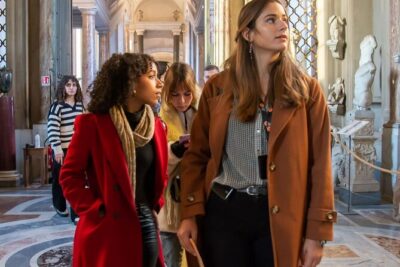
Barcelona in 2 Hours: Guided Walk Through History and Sights
Read our review →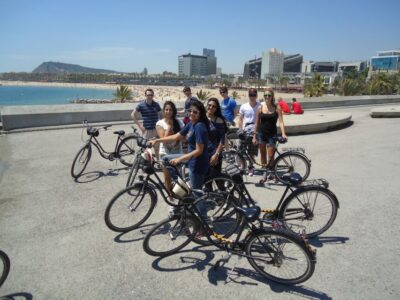
Barcelona Highlights Bike Tour: Cycle along the beach!
Read our review →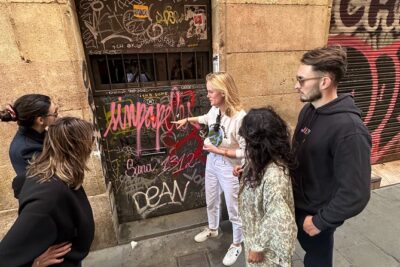
Barcelona Street Art Tour with Exclusive Artist Studios Visit
Read our review →
Barcelona Photo Experience: famous landmarks or the beach!
Read our review →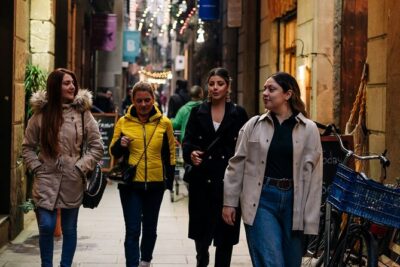
Barcelona Marvels: A Guided Walking Tour of the City’s Highlights
Read our review →Browse the lists this tour appears in