
REVIEW · FRANCE
Arromanches 360 Circular Cinema Entry Ticket
The most striking part of Arromanches 360 is the nine-screen cinema, which wraps wartime footage around you instead of presenting it on one flat screen. The film follows D-Day from the June 6 landings through the 100-day Battle of Normandy, ending with the bombing of Le Havre on September 12.
I like two things right away: the excellent archive mix, drawn from British, American, Canadian, French, and German sources, and the clifftop setting above the remains of the Mulberry harbor. The main caution is that 20 minutes is brief, and one viewer found the rapid sequence of videos confusing and less worthwhile than the nearby Arromanches landing museum.
Key points to know
- Nine screens surround the film: The wide projection makes troop movements, beaches, ships, and wartime scenes feel larger than a standard museum film.
- The story covers 100 days: You see more than the initial landings, from June 6 to the bombing of Le Havre on September 12.
- The waiting area adds useful context: Maps, a chronology, the battle’s outcome, and artifacts from the Caen Mémorial collection help you get oriented.
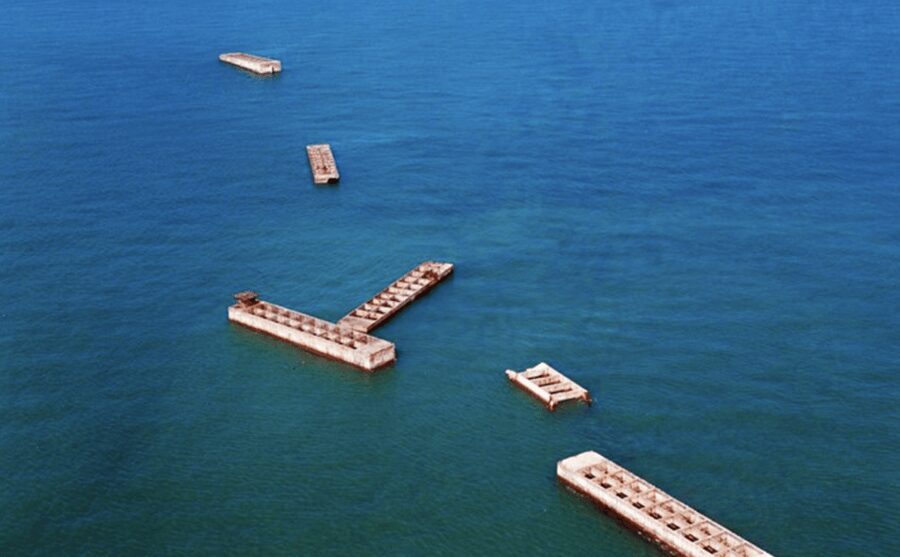
- The clifftop view matters: Look toward the coast for remnants of the Mulberry harbor, a key part of the artificial port built after D-Day.
- The ticket is inexpensive: At $8, the experience can fit easily into a Normandy sightseeing day, though value depends on whether you prefer film or museum displays.
- Plan around comfort needs: The activity is listed as wheelchair accessible, but the same information also says it is not suitable for wheelchair users, so confirm access before booking.
A 20-minute film above the D-Day beaches
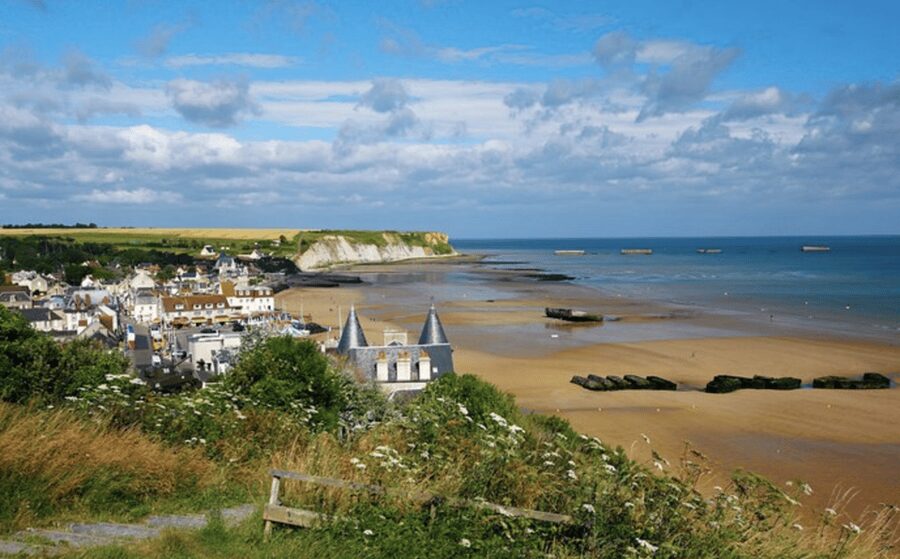
Arromanches 360 is perched on the cliffs above Arromanches-les-Bains, one of Normandy’s best-known D-Day sites. The setting gives you a physical connection to the story before the film even begins. From the clifftops, you can look out toward the remains of the Mulberry harbor, the temporary artificial port that supported the Allied advance after the landings.
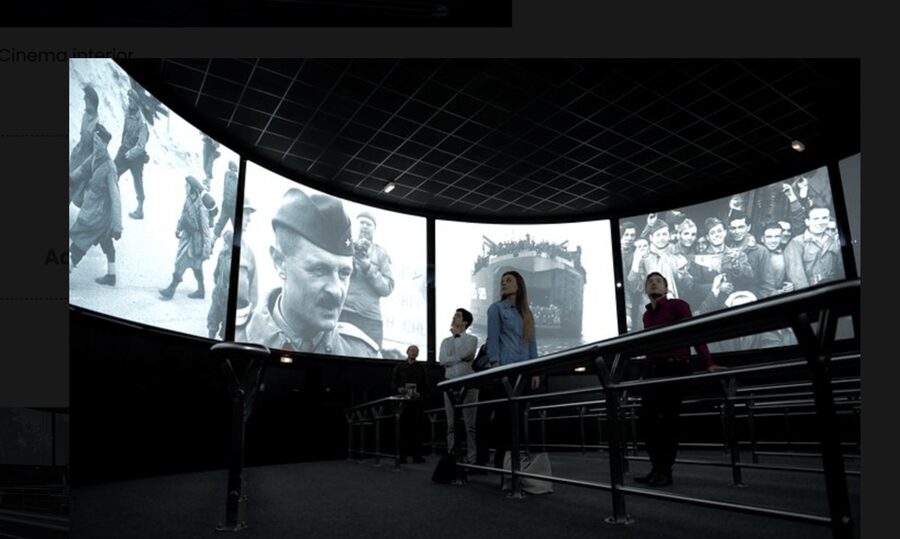
The attraction’s central feature is a 20-minute film projected on nine screens. Instead of watching a single image in front of you, you sit surrounded by footage that can shift your attention from one side of the room to the other. That format is designed for scale and impact, especially during scenes showing the coast, naval activity, soldiers, and the movement of the invasion.
You should not expect a full museum visit in the cinema itself. This is a short film experience with a small interpretive area before the screening. It gives you an introduction, a visual sense of the operation, and a reason to look more closely at the terrain outside.
The subject is not limited to the first morning of D-Day. The film begins with the long preparations on both sides of the English Channel, then moves into the difficult June 6 landings on the five beaches of Normandy’s Manche and Calvados departments. It follows the campaign across 100 days, ending with the September 12 bombing of Le Havre.
That wider time frame is useful. D-Day is often treated as one dramatic morning, but the Battle of Normandy continued for months. At Arromanches 360, you get a quick reminder that the landings were the opening stage of a much longer and costly campaign.
More entry tickets in France:
- Arromanches 360 Circular Cinema Entrance Ticket
★ 4.0 · 71 reviews - Hobbiton Movie Set: Guided Tour Ticket
★ 4.9 · 8,167 reviews - Mellieha: Popeye Village Malta Filmset Entry Ticket
★ 4.6 · 1,802 reviews
Why the nine-screen format can work
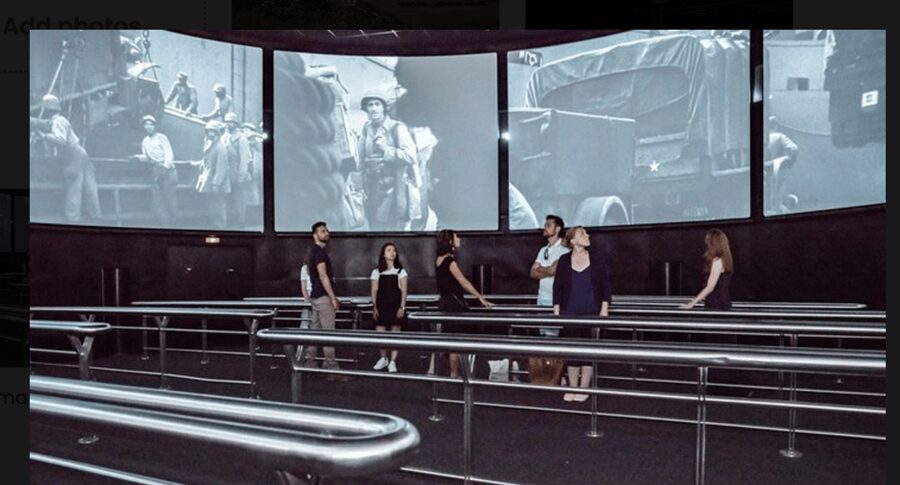
The nine-screen arrangement is the main reason to choose this attraction over a standard historical video. You are not simply reading dates or looking at still photographs. The room uses multiple screens to create a broad field of action, which suits a story involving beaches, ships, aircraft, and advancing armies.
The archive material comes from British, Canadian, German, American, and French collections. That range gives the film more than one national viewpoint, at least in terms of source footage. It also helps connect the local story to the wider Allied operation.
I would approach the film as a powerful orientation rather than a detailed lesson. Twenty minutes allows for emotional force and a clear timeline, but not much room for military detail, individual stories, or careful explanation of every location. The editing moves quickly, and some scenes may feel more like a visual montage than a guided narrative.
That distinction matters when you decide how to spend your time in Normandy. If you want a concise introduction before visiting the beaches, the film makes sense. If you want labeled objects, detailed explanations, and a slower look at the landings, the nearby Arromanches landing museum may suit you better.
One viewer found the video series confusing and too limited, especially compared with the museum a short distance away. That is a fair warning. The screens create scale, but the format can also make the story feel compressed. You may leave with a stronger sense of the event’s mood than its precise military sequence.
The reception area gives you a useful primer
Before the screening, use the reception area rather than walking straight past it. Displays cover the battle chronology, maps, and the outcome of the Battle of Normandy. These basic materials are important because the film moves through a great deal of history in a short time.
The maps can help you place the five landing beaches and understand that the campaign stretched well beyond Arromanches. A chronology gives you a simple framework for the 100-day battle, while the outcome display helps connect the initial landings with the later liberation of Western Europe.
Artifacts from the Caen Mémorial collection are also shown in this area. The information provided does not identify each object, so I would treat them as supporting pieces rather than expect a large object-based exhibition. Their value is in giving the film some physical context.
If you arrive early, this is where you can get your bearings. Study the map first, note the dates, then watch the film. You will have a better chance of following the shift from preparation to landing and then to the long campaign across Normandy.
Look out over the Mulberry harbor remains
The exterior view is not a minor extra. Arromanches was chosen as the site of one of the artificial harbors used to bring supplies ashore after D-Day. From the cliffs, you can see remnants of the Mulberry harbor in the water below.
That view gives the film a strong local anchor. You are not learning about an event in an anonymous theater. You are standing above part of the infrastructure that helped keep the invasion moving. Even a short visit becomes more meaningful when you connect the archive images with what remains offshore.
The clifftop location also shapes the practical side of the visit. Bring comfortable shoes, as recommended, and allow time to look outside before or after the screening. A camera is also worth carrying if you want to record the coastal view and harbor remnants.
The cinema ticket itself does not promise a guided walk or an extended explanation from a guide. You should therefore make the viewpoint part of your own visit. Take in the sea, identify the harbor remains, and use the chronology inside to connect the place with the larger operation.
A few more filming locations around France worth a look
- Behind the Scenes of the Grand Rex: 50-Minute Studio Tour
★ 4.6 · 1,138 reviews - Saw2 vs Squid Game – Escape Game Montpellier
★ 5.0 · 752 reviews - The Official Emily in Paris Locations Walking Tour
★ 4.9 · 383 reviews - Paris: Emily TV Show Locations Guided Walking Tour
★ 4.6 · 140 reviews
How the historical story is paced
The film begins with preparation on both sides of the Channel. That opening matters because the invasion was not a sudden event created on one morning. It was the result of long planning, waiting, and military preparation.
The story then reaches June 6, 1944, despite unfavorable weather conditions. The landings on the five beaches form the emotional center of the presentation. With nine screens, the film can show different parts of the operation at once, creating a sense of activity and scale.
The final section widens the focus again. The Battle of Normandy lasted 100 days, and the film carries the story to the bombing of Le Havre on September 12. This ending prevents the visit from stopping at the beach assault itself.
Still, the quick pace has a cost. You may not have time to absorb every date, place, or military development. If you want to remember the details, read the maps and chronology before the screening, and consider taking a few notes afterward. The attraction is strongest when you use it as part of a larger Normandy day rather than as your only source of information.
Is $8 good value?
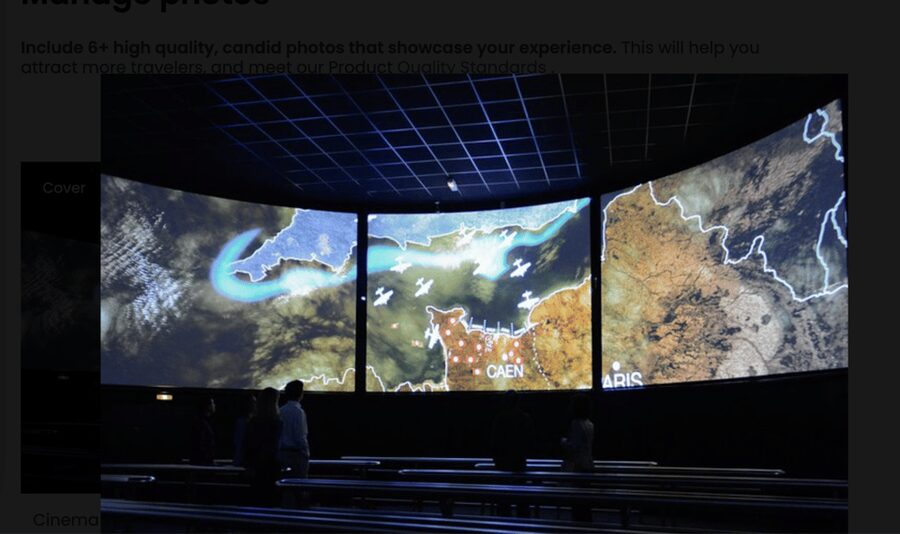
At $8 per person, the ticket is reasonably priced for a short historical attraction. You receive a 20-minute film, access to the reception displays, and the chance to view the Mulberry harbor remains from the clifftops.
The price works particularly well if you are already visiting Arromanches and want a focused introduction without committing to a long tour. It is also easy to fit into a busy schedule because the film itself is brief.
Value becomes less clear if you expect a full museum experience. One critical assessment described the presentation as a confusing series of short videos and preferred the nearby museum. That comparison is important. The cinema offers scale and emotional impact; a museum generally offers more time with objects and explanations.
I would book it for the format, the archive footage, and the location, not because it covers every detail of the D-Day campaign. At $8, it is a modest gamble. If the film leaves you wanting more, the surrounding Arromanches sites can supply the extra context.
Who will enjoy this experience most?
This attraction suits you if you want a short, visual introduction to D-Day and the Battle of Normandy. It works well for visitors with limited time, families who may not want a long museum visit, and anyone interested in seeing the story presented through original archive footage.
It is also useful for first-time visitors to the Normandy beaches. The maps and chronology can help you understand what you are seeing before you continue to other sites in the region.
You may be less satisfied if you want a detailed military explanation, a large collection of artifacts, or a calm, step-by-step presentation. The film is only 20 minutes, and the editing may feel hurried. For that reason, I would pair it with the nearby Arromanches museum or another D-Day site if you have enough time.
The activity information gives conflicting access guidance. It says the cinema is wheelchair accessible, but it also lists wheelchair users among those for whom the activity is not suitable. If access is important to you, contact the provider before booking rather than relying on the general listing.
People with back problems or heart problems are also advised against taking part, and the activity is listed as unsuitable for people prone to seasickness. The last point may seem surprising for a cinema, but it is included in the official practical guidance and should not be ignored if motion effects bother you.
Booking flexibility and practical timing
Your ticket is valid for one day, with starting times depending on availability. The activity information does not give a fixed departure schedule, so check the available time when you plan your visit.
You can cancel up to 24 hours in advance for a full refund. A reserve-now-and-pay-later option is also available, which can help if your Normandy route is still changing.
There is no guide name to look for because this is a film screening rather than a guided walking tour. The key element is the presentation itself, supported by the reception displays and the clifftop setting.
Wear comfortable shoes and bring a camera. Those simple choices make sense here: you may want to spend time outside looking toward the harbor remains, and the clifftop setting is part of the attraction’s value.
Should you book Arromanches 360?
Book this ticket if you want a short, affordable visual introduction to D-Day in the place where the Mulberry harbor once supported the Allied advance. The nine-screen presentation and international archive footage give the story force, while the maps and artifacts help you prepare for it.
Do not book it expecting a full museum or a detailed military lecture. The 20-minute running time means the story is compressed, and the quick editing may not work for everyone. If you already plan to visit the nearby Arromanches museum, compare your priorities: choose the cinema for scale and atmosphere, and the museum for slower, more detailed interpretation.
For $8, I see it as a worthwhile add-on for most history-minded visitors already in Arromanches, especially when time is limited. Give yourself a few minutes with the maps, watch the film, then step outside and look at the harbor remains. That sequence makes the experience more useful than treating it as just another short video.
FAQ
Where is Arromanches 360 located?
It is located on the Arromanches clifftops in Normandy, France.
How long is the film?
The film lasts 20 minutes.
What does the film cover?
It covers the D-Day landings and the Battle of Normandy, from June 6, 1944, through the 100-day campaign and the bombing of Le Havre on September 12.
How many screens are used?
The film is projected on nine screens.
Which archive collections are represented?
The film uses footage from British, Canadian, German, American, and French archives.
Can I see the Mulberry harbor from the attraction?
Yes. From the Arromanches clifftops, you can see remnants of the Mulberry harbor.
Is there anything to see before the film?
Yes. The reception area has maps, a chronology, information about the outcome of the Battle of Normandy, and artifacts from the Caen Mémorial collection.
How much does admission cost?
The listed price is $8 per person.
Can I cancel my booking?
Yes. You can cancel up to 24 hours in advance for a full refund.
Is the attraction wheelchair accessible?
The information is contradictory. It says the attraction is wheelchair accessible but also lists wheelchair users as unsuitable for the activity. Confirm the current access arrangements with the provider before booking.
Just added around France
- The Official Emily in Paris Macaron Making Workshop★ 5.0 · 4 reviews
- The Official Emily in Paris Montmartre Walking Tour★ 5.0 · 2 reviews
- The Official Emily in Paris Croissant Making Workshop★ 5.0 · 3 reviews
- The Official Emily in Paris Food Tour★ 5.0 · 3 reviews
- The Official Emily in Paris Locations Walking Tour★ 5.0 · 12 reviews
- Mamma Mia! Paris Louvre Museum Guided Tour Kid-Friendly Activity★ 4.5 · 28 reviews
- The Da Vinci Code in Paris: Follow the Trail with a Local★ 3.5 · 7 reviews
- Paris: Shoot a Vertical Video on a Sidecar with a Pro Filmmaker★ 5.0 · 4 reviews
France Film Location Tours, compared.
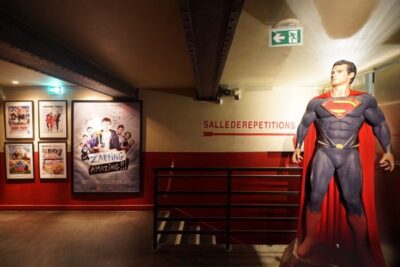
Behind the Scenes of the Grand Rex: 50-Minute Studio Tour
Read our review →

The Official Emily in Paris Locations Walking Tour
Read our review →


The Official Emily in Paris Croissant-Making Workshop
Read our review →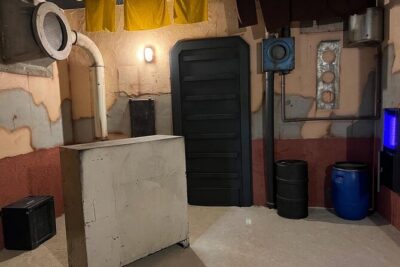
The force to escape – Escape game in Montpellier
Read our review →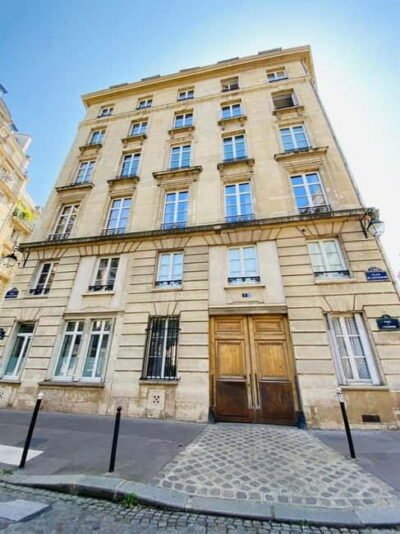
Browse the lists this tour appears in