
REVIEW · WALKING
Vikings In Dublin (Walking Tour)
Dublin’s Viking story comes alive on foot, from the longboat sculpture at the starting point to the old streets around Christ Church Cathedral and Fishamble Street. This 1.5-hour tour connects major sights with the early settlement once called Dubh Linn, giving you a clear sense of how Norse settlers shaped the city.
I like the route because it pairs familiar landmarks with less obvious corners, and I like the guide’s approach to Viking society. You get more than a simple warrior tale: the tour explains customs, daily life, motivations, and the Vikings’ influence on Ireland. The main consideration is that the tour is offered in French, so it is best suited to French-speaking visitors.
- A Viking starting point: Begin beside Báite, the 1988 Viking longboat sculpture by Betty Newman Maguire.
- Christ Church at the center: Learn how Dublin’s most important medieval religious site fits into the city’s Viking story.
- A walk through early Dublin: Follow Fishamble Street, Saint Audoen’s, Dublin Castle, and other historic locations.
- A more balanced Viking story: Hear about Norse culture and customs without reducing the Vikings to simple raiders.
- Short and focused timing: The 1.5-hour route works well for a first look at Dublin’s early past.
- Flexible booking: You can cancel up to 24 hours ahead for a full refund and reserve now while paying later.
Starting beside Dublin’s Viking longboat

The tour begins at Báite, a Viking longboat sculpture created in 1988 by Betty Newman Maguire. It is a fitting meeting point, since the image of a longship immediately puts you in the right frame of mind for Dublin’s early Norse story.
I like starting with a visual marker rather than an anonymous street corner. The sculpture gives you something easy to identify and sets up the central theme: Vikings reached Ireland by water, and Dublin developed around the river and its connections.
From here, your guide introduces the period before leading you through the city. The tour is not built around one museum collection or a single building. Instead, it uses Dublin’s streets, foundations, churches, and civic landmarks to show how the Viking period left traces across the city.
Because the tour lasts only 90 minutes, expect a brisk overview rather than a full archaeological course. That is useful if you are new to Dublin’s early history, though you may want more time afterward to explore the sites on your own.
Seeing Dublin through the Norse period
The central idea of the walk is that Dublin was not simply a modern city with a Viking chapter added later. The route explains how Norse settlers used the Liffey, established a settlement, and helped shape the city that grew around it.
You will hear about longships, markets, customs, and daily life. The emphasis is not only on conflict. The guide presents the Vikings as a society with its own traditions, motives, and systems, which gives you a more useful picture than the usual image of helmeted raiders.
That wider view is one of the best reasons to book. The tour explains the complexity of Viking society and links it to the places you are actually seeing. Instead of memorizing a list of dates, you get a physical sense of how the city’s old center connects its religious, commercial, and political past.
The guide is also prepared to answer questions and adjust the explanation when needed. One particularly useful quality is an ability to make historical events clear without flattening the difficult parts of the period. If you enjoy asking questions, this seems to be a tour where conversation is welcome.
More location walks in the world:
- Magical London: Harry Potter Guided Walking Tour
★ 4.7 · 22,044 reviews - Edinburgh: Harry Potter Magical Guided Walking Tour
★ 4.8 · 11,944 reviews - Tour for Muggles The Ultimate Harry Potter Walking Tour in London
★ 5.0 · 4,684 reviews
Christ Church Cathedral and the old center
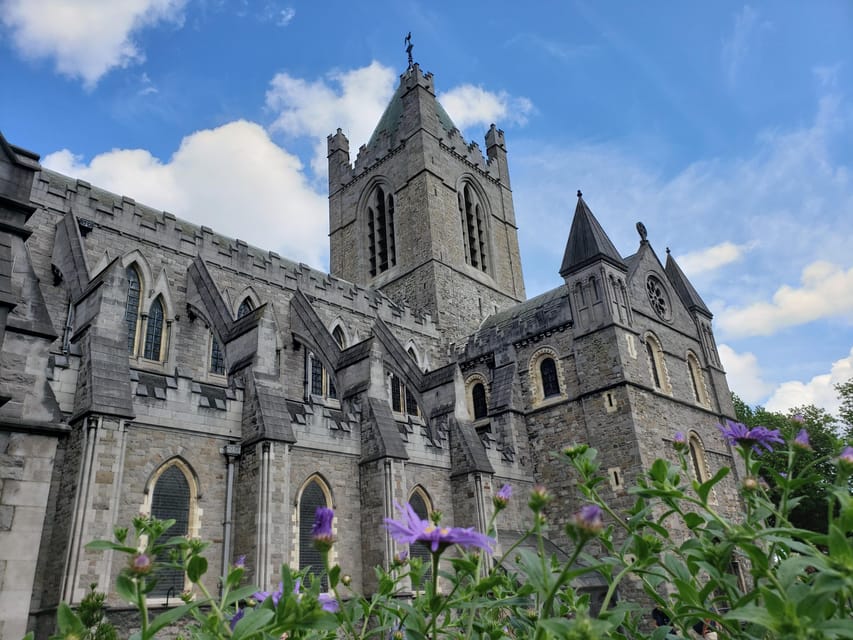
Christ Church Cathedral is one of the main stops, and it gives the tour a strong architectural anchor. The cathedral’s size and position make it easy to see why this part of Dublin has remained important for centuries.
Your guide explains the cathedral in relation to the Viking period and the development of the city around it. The stop is valuable because you are not looking at the building in isolation. You are considering how religion, settlement, and power overlapped in early Dublin.
The tour information identifies Christ Church Cathedral as a guided stop, but it does not promise a separate interior visit or admission. Plan on learning about the cathedral as part of the walking route, and confirm the exact access details when booking if seeing the interior is important to you.
This is also a good point to listen for the difference between a modern landmark and an old site with several layers of meaning. The cathedral helps show how Dublin changed over time while retaining links to its earliest urban center.
Saint Audoen’s and traces beneath the streets
Saint Audoen’s adds another religious and historical stop to the walk. Together with Christ Church, it helps you understand that early Dublin was not defined by one building alone.
The guide uses these locations to explain the city’s changing communities and the influence of the Viking period. You might find this part especially useful if you prefer history tied to physical places. The streets and buildings give the discussion a clear setting, even when the original Viking structures are no longer visible.
The route also refers to foundations and less obvious remains around Dublin. These details matter because much of the city’s Viking story is not presented as a complete, preserved settlement. Instead, traces survive in fragments, below later buildings, or in the shape and use of old streets.
That makes a guide important. Without explanation, you could walk through this part of Dublin and see only later medieval or modern structures. With the historical context, the same street becomes evidence of a city that developed in stages.
Fishamble Street and Dublin’s early markets
Fishamble Street is one of the most relevant stops for understanding Dublin as a working settlement. The route connects the street with the time when markets thrived and longships reached the Liffey.
This part of the tour shifts attention from grand buildings to ordinary urban activity. Markets, movement, trade, and the use of the river help explain how a settlement functioned day to day.
I like this focus because it moves the story beyond rulers and battles. You learn about the practical life of a city, including the types of activity that allowed Dublin to grow. The guide also places Viking traditions and influence within a wider picture of community life.
The tour does not provide a full list of every market good or archaeological find, so you should think of Fishamble Street as a setting for the wider explanation rather than a standalone museum stop. The value lies in connecting the street to the city’s early commercial role.
A few more filming locations around the world worth a look
- From London: Harry Potter Warner Bros Studio Tour
★ 4.7 · 26,588 reviews - London: Warner Bros. Studio Harry Potter Tour & Branded Bus
★ 4.7 · 19,194 reviews - London: Warner Bros. Studio Harry Potter Tour with Transfers
★ 4.6 · 9,709 reviews - London: Warner Bros. Studio Harry Potter Tour with Transfers
★ 4.7 · 9,485 reviews
Dublin Castle and the changing city

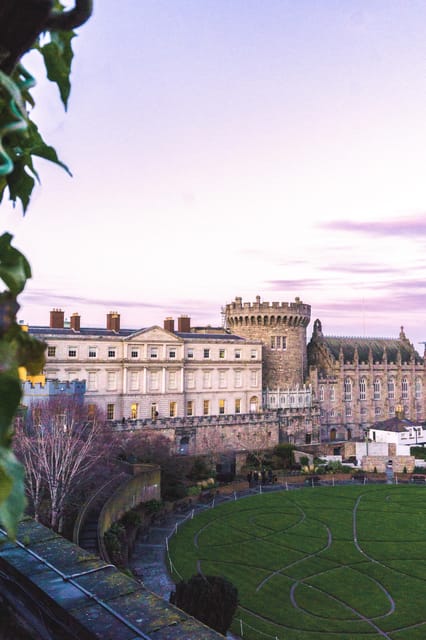
Dublin Castle brings the route into a later and more recognizable center of authority. The guide uses the area to trace how Dublin developed after the Viking period and how different powers shaped the city.
This stop is useful because it prevents the tour from treating Viking Dublin as a sealed-off chapter. The city continued to change, and later institutions occupied spaces that had already mattered for centuries.
The castle itself is not presented as a Viking building. Instead, it helps you compare the early Norse settlement with the political Dublin that followed. That contrast gives the walk a stronger sense of time and change.
If you have already seen Dublin Castle on a standard city tour, this visit may still add something new. The focus here is not simply the castle’s later political role. It is the way the site fits into a longer story that begins with the river, settlement, and early urban growth.
The less obvious stops along the route
The itinerary includes a secret stop and another lesser-known historical location. Their exact details are not specified in advance, which gives the guide room to shape the walk around the city and the group.
Do not expect a major attraction with a large entrance hall. These stops are likely intended to reveal parts of Dublin that are easy to pass without noticing. Their value comes from the explanation you receive on site.
This is where a good guide can make the greatest difference. The guide’s historical knowledge and ability to answer questions help turn an ordinary corner, foundation, or street into part of the Viking story.
The tour also includes stories and anecdotes to keep the material moving. That matters during a walking tour with several historical layers. A clear explanation helps you retain the main ideas without getting lost in a long list of names and dates.
Ending at Trinity College
The route identifies Trinity College as the finishing point. Ending there gives you a convenient location for continuing your day, since you are still in central Dublin and close to major streets, shops, and cultural sights.
Trinity is not presented as a Viking site in the same direct way as the earlier stops. Instead, it works as the endpoint of a walk through Dublin’s changing center. You finish with a wider view of how the city moved from an early river settlement to a later intellectual and civic center.
There is a small practical issue to clarify before booking. The route names Trinity College as the finish, while the meeting-point information says the activity ends back at the meeting point. Since those details do not match exactly, confirm the final drop-off location with MP Tour Guiding.
How much value do you get for $45?
The price is $45 per person, which is reasonable if you want a focused, guide-led introduction to Dublin’s Viking past rather than a general sightseeing walk.
You are paying for a short route with a live guide, historical interpretation, and several connected sites. The value depends heavily on your interest in the subject. If you want a broad introduction and prefer learning through streets and landmarks, the cost is easier to justify.
The tour is less useful if you are looking for long visits inside attractions, extensive archaeological displays, or a full-day historical program. At 90 minutes, it gives you a framework, not every detail.
I would see it as a good first activity for someone curious about Dublin’s earliest urban story. Afterward, you will have better context for walking around Christ Church, Fishamble Street, and the old center independently.
Who should book this French-language walk?
This tour suits French-speaking visitors who want history explained in a direct, conversational way. The guide can discuss customs, culture, historical events, and the Vikings’ influence on Ireland without presenting the period as a simple battle between heroes and villains.
It is also a good choice for couples or small groups who want a manageable walking activity. One guide was able to adapt the pace for a participant with a minor health problem, which suggests some flexibility, though the tour remains a walking experience and the details of the route’s length or seating are not provided.
The activity is listed as wheelchair accessible. If you use a wheelchair, confirm the exact route and access at individual sites before booking, especially if you want to enter a building rather than view it from the route.
Families with older children may enjoy the longships, markets, and city-foundation story, but no child-specific format is advertised. The 1.5-hour duration should be easier to manage than a longer historical tour.
Practical details before you reserve
The tour lasts 1.5 hours, and starting times vary. Check availability for the date you want rather than assuming a fixed departure.
The guide language is French. No other language is listed, so this is not the right choice if you need an English-language tour.
You meet at the Viking longboat sculpture, Báite, by Betty Newman Maguire. Arrive with enough time to locate the artwork before the start, especially if you are unfamiliar with central Dublin.
The activity allows free cancellation up to 24 hours in advance for a full refund. You can also reserve now and pay later, which helps if your sightseeing plans are still changing.
The tour provider is MP Tour Guiding. The listed rating is 5 out of 5 from eight reviews, with particular praise for the guide’s historical understanding, clear explanations, friendly manner, lively anecdotes, and ability to respond to questions. Those qualities matter here because much of the Viking story depends on interpretation rather than large surviving buildings.
Should you book Vikings in Dublin?
Book this tour if you speak French and want a short, focused introduction to Dublin’s Viking roots. I especially like the route’s mix of Christ Church Cathedral, Fishamble Street, Saint Audoen’s, Dublin Castle, and less obvious locations. It gives you a more grounded view of the city than a tour focused only on famous attractions.
The best reason to choose it is the guide-led interpretation. You get a more balanced look at Viking customs, society, and influence, along with clear answers to questions and useful anecdotes.
Skip it if you need an English-language tour, want extensive time inside major attractions, or prefer a self-guided visit at your own pace. Also confirm the finish point, since Trinity College and the original meeting point are described differently. For French-speaking visitors who want history connected to real Dublin streets, $45 is a fair price for a well-focused 90-minute walk.
FAQ
How long does the Vikings in Dublin walking tour last?
The tour lasts 1.5 hours.
What language is the tour offered in?
The live guided tour is offered in French.
Where does the tour start?
It starts at Báite, the Viking longboat sculpture from 1988 by Betty Newman Maguire.
Which Dublin sights are included?
The route includes Christ Church Cathedral, Saint Audoen’s, Fishamble Street, Dublin Castle, Trinity College, and additional lesser-known stops.
Does the tour include Christ Church Cathedral?
Christ Church Cathedral is included as a guided stop. The provided details do not confirm whether admission to the interior is included.
Is the tour wheelchair accessible?
The activity is listed as wheelchair accessible.
How much does the tour cost?
The listed price is $45 per person.
Can I cancel for a refund?
Yes. You can cancel up to 24 hours in advance for a full refund.
Can I reserve the tour and pay later?
Yes. The booking option allows you to reserve your place and pay later.
Just added around the world
- “Not Today” – Game of Thrones and History of Split Private Guided Walking Tour★ 5.0 · 5 reviews
- Game of Thrones Walking Tour Split★ 3.0 · 2 reviews
- Game Of Thrones Tour Split – small group★ 4.0 · 5 reviews
- Game of Thrones -A dragon is not a slave tour★ 5.0 · 2 reviews
- VIS Island (Mamma Mia Island) PRIVATE TOUR★ 5.0 · 6 reviews
- Private Transfers to Krka Waterfalls & Game of Thrones Castle★ 4.5 · 20 reviews
- Klis Fortress – Game of Thrones Private Tour From Split★ 5.0 · 5 reviews
- Mamma Mia Boat Experience!★ 5.0 · 29 reviews
Walking Tours, compared.

Magical London: Harry Potter Guided Walking Tour
Read our review →
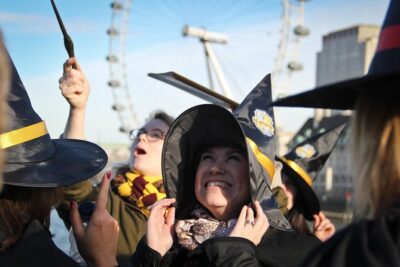
Tour for Muggles The Ultimate Harry Potter Walking Tour in London
Read our review →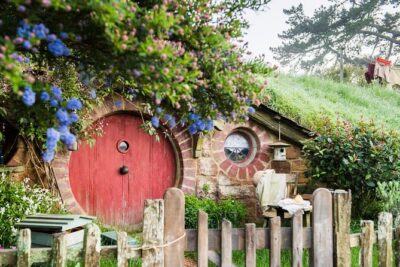
Hobbiton™ Movie Set Walking Tour from Shires Rest
Read our review →
Harry Potter Movies Walking Tour (Kids Go Free)
Read our review →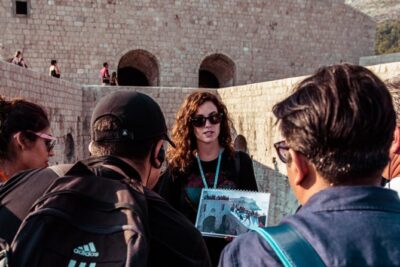
Browse the lists this tour appears in