
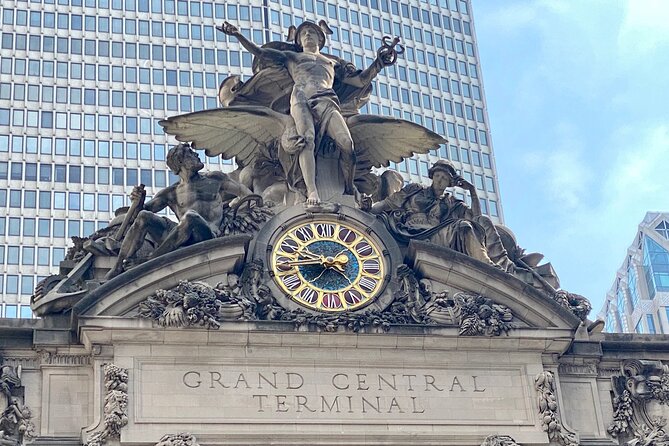
REVIEW · NEW YORK CITY
The Story of Grand Central Terminal: An Art And Engineering Marvel
Grand Central Terminal is more than a place to catch a train. It is a working piece of New York history, and this 98-minute virtual presentation explains how transportation, architecture, politics, and daily city life shaped the building. Kitt Garrett uses historic and modern images to show what to look for when you visit in person.
I like two things right away: you can study Grand Central before spending time in New York, and the downloadable guide helps you locate the details later. The presentation also separates fact from popular myth, which gives you more to notice than the usual quick look at the main hall.
The catch is simple: this is a virtual experience, not an in-person walk through the terminal. If you want live access to the building or a guide beside you on site, this will not replace that. It works best as preparation, or for anyone who cannot visit New York right now.
Key points to know before booking
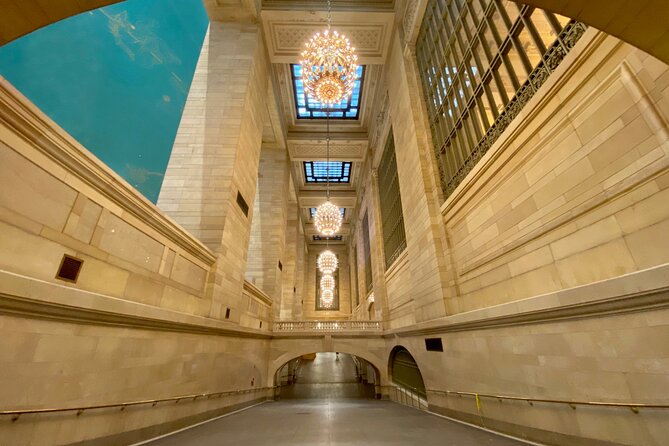
- Kitt Garrett leads a 98-minute virtual presentation focused on Grand Central’s transportation, art, engineering, and changing neighborhood.
- You see the terminal area by area on screen, with historic photographs and explanations of its secrets, myths, and important details.
- The story begins with horse-and-carriage travel and follows New York’s growth into modern local and suburban commuting.
- Grand Central’s threatened past gets proper attention, including how the building nearly faced demolition and how it was saved.
- A downloadable self-guided walking guide helps you find the locations discussed when you visit the terminal yourself.
- The $25 price covers a private group of up to 15 people, making the cost reasonable for a family or small group.
Why Grand Central deserves more than a passing look
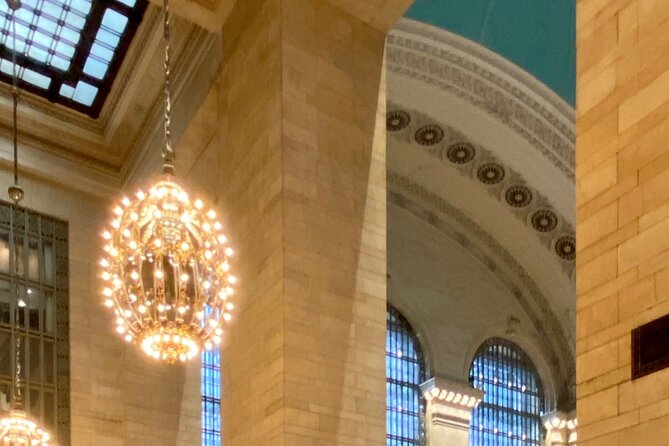
Most people enter Grand Central with a destination in mind. You may be catching a train, meeting someone, finding food, or simply crossing the building on the way to another part of Midtown. It is easy to look up at the famous ceiling, take a photo, and move on.
This virtual tour asks you to slow down. It presents Grand Central as both a public building and a record of New York’s changing transportation needs. The story moves from horse carriages to rail travel, then to the way people commute within the city and from the suburbs today.
That wider frame matters. You are not just learning dates about a terminal. You are seeing why such a large building was needed, how it served a growing city, and why its survival became important. The presentation also connects Grand Central to the surrounding neighborhood, so the terminal does not feel cut off from Midtown’s later changes.
The building receives more than 21 million visitors each year, according to the tour information. That number helps explain the challenge of preserving an ornate historic structure that still has a daily job to do. Grand Central is not a museum frozen in time. It continues to serve modern commuters while carrying a long and sometimes difficult past.
Other filming locations people visit in New York City:
- Sex and the City Hotspots Bus Tour NYC
★ 4.5 · 1,284 reviews - NYC TV & Movie Locations Bus Tour – Friends, Seinfeld & More
★ 4.5 · 1,270 reviews - NYC: Sex and the City Hotspots Bus Tour (On Location Tours)
★ 4.6 · 892 reviews
Kitt Garrett’s approach to the story
Kitt Garrett is the named presenter, and the presentation is built around careful research, visual comparison, and storytelling. You see historic images alongside newer views, which helps you notice how the terminal and nearby streets have changed.
The tone is not limited to a familiar documentary version of Grand Central. The material covers popular stories and checks them against the historical record. That makes the program useful even if you have already watched television programs about the terminal or passed through it many times.
Garrett also gives attention to the building’s recent and future setting. One example mentioned in the presentation material is the newer Summit attraction in One Vanderbilt next door. That detail helps place Grand Central in the Midtown you see now, rather than treating it only as an old landmark.
I especially like this use of comparison. A historic photograph can show you what has vanished, while a current view tells you what to look for during your next visit. The result is practical, not just academic. You finish with a better sense of where to pause and what deserves a second glance.
The transportation story, from horse carriages to suburban trains
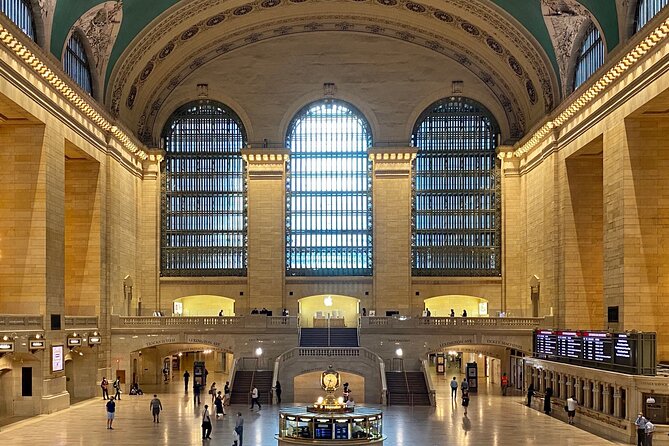
The opening section places Grand Central within New York’s transportation story. It begins with the early horse-and-carriage era, then follows the city toward rail travel and modern commuting.
This is a smart way to begin because it explains the need for a major terminal before focusing on decorative details. New York’s population, streets, neighborhoods, and commuting patterns changed over time. Grand Central developed within that pressure.
You also hear about local travel and trips to the suburbs. That makes the terminal relevant to ordinary daily life, not just to architecture fans. The building has always been tied to how people get around, where they live, and how the city connects to places beyond Midtown.
For you, this section provides useful planning context. If you are deciding how much time to allow for Grand Central during a New York visit, the transportation story gives the building more weight. You can see it as a central part of the city’s growth, not merely an attractive interior.
The drawback is that the presentation covers a broad subject in one sitting. If you only want a quick guide to photo stops, this opening history may feel longer than needed. If you want to understand why Grand Central matters, it gives the rest of the tour a firm base.
Grand Central’s art, engineering, and physical design
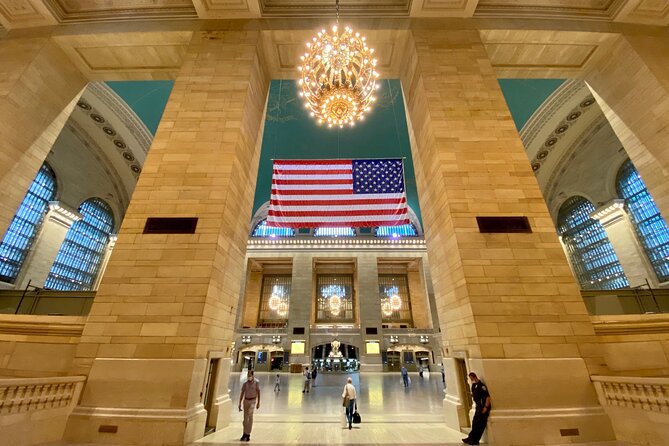
The presentation treats Grand Central as an art and engineering achievement. It does not focus only on what looks impressive. It also explains how the building functioned and why its design mattered.
You move through the terminal virtually, visiting each area shown in the presentation. The supplied material does not promise a live, room-by-room walking experience, so you should think of this as an illustrated orientation rather than a real-time stroll. Still, the sequence helps you understand where the special details are located.
Historic images are a major part of the visual experience. They let you compare earlier versions of Grand Central with the building and neighborhood you can see today. For someone who has walked through the terminal without noticing much beyond the main hall, this can change the way you look at familiar spaces.
The engineering side is also important. Grand Central had to serve transportation on a large scale, and the tour explains the building as a practical structure as well as an ornate one. You get a sense of how beauty and daily use meet in the same place.
I would not book this expecting a technical engineering lecture with detailed measurements or construction diagrams. The description promises an in-depth look, but the emphasis is on understandable history, images, stories, and useful orientation. That balance should suit most first-time visitors and many repeat visitors.
Same place, a completely different screen:
- NYC: Central Park Celebrity Homes & Film Spots Pedicab Tour
★ 4.9 · 817 reviews - NYC: Harry Potter and the Cursed Child on Broadway
700 reviews - Central Park TV and Movie Sites Walking Tour
★ 4.5 · 499 reviews - NYC The Sopranos Iconic Filming Locations Bus Tour
★ 4.5 · 427 reviews
Myths, secrets, and the nearly lost terminal
One of the strongest parts of the experience is its focus on myths and secrets. Grand Central has a long list of stories attached to it, and the presentation helps separate popular ideas from documented history.
That approach gives you something to do when you visit. Instead of wandering through the building and wondering what matters, you can look for the locations tied to the stories. The downloadable PDF is especially useful here. Save it to your phone before visiting, then use it as a self-guided companion.
The tour also explains that Grand Central was nearly demolished. That is a crucial part of the building’s story. The terminal survived because someone fought for it and because preservation efforts changed how New York viewed historic buildings. The presentation explains who saved it and how, although the supplied details do not identify that person by name.
This section adds real tension to the story. The building is easy to admire now, but its survival was not guaranteed. Learning that makes the current terminal feel less permanent and more valuable.
You should keep expectations realistic about the word secrets. It refers to lesser-known facts, locations, myths, and stories, not access to closed areas or a behind-the-scenes visit inside restricted spaces. The experience is virtual, and its value comes from explanation and visual guidance.
A century of repairs and changing use
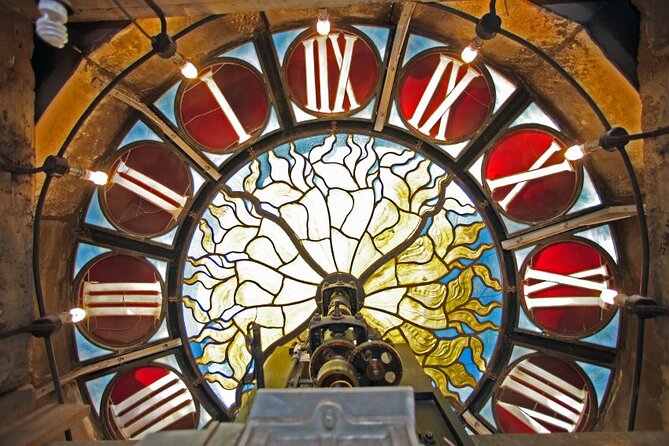
The tour covers renovations that took place over the past 100 years. That long view matters because Grand Central has had to change while continuing to serve commuters.
A historic public building faces a constant problem: preserve its character, but keep it useful. The presentation uses Grand Central to show how repairs and changes shaped the terminal over time. You can also see how the surrounding neighborhood developed around it.
This is one reason the program should appeal to people who already know the building. Several comments about the experience describe learning new facts despite having visited Grand Central many times or having seen earlier documentaries. The presentation is not limited to a first introduction.
If you have lived in New York or worked near Grand Central, you may find the neighborhood material particularly useful. The old and new photographs offer a way to track changes beyond the terminal walls. You might recognize current Midtown views while gaining a clearer sense of what came before.
The program does not provide a current walking itinerary through every nearby attraction. Its main subject remains Grand Central Terminal. Still, the neighborhood context helps you understand why the building continues to matter as Midtown changes.
What the downloadable self-guided guide adds
The mobile download is one of the most useful parts of the package. You do not have to rely on memory after the virtual presentation. You can carry the PDF on your phone and use it while exploring Grand Central on your own.
That makes the experience more than a video to watch once. It becomes a planning tool. Before your New York visit, you can watch the presentation, note the areas that interest you, and then use the guide to find the related locations inside the terminal.
The guide is also helpful if you are short on time. The presentation explains how much time you may want to spend at Grand Central, and the PDF can help you focus on the details that matter most to you. You might make a quick visit around a train departure, or allow a longer self-guided look.
The material suggests using the guide to locate photo stops and create a personal memory book through Tripcast. That is optional, but it shows how the virtual program can lead to a more active visit later.
Remember to download the file before you need it. A mobile ticket is included with the activity, and the walking guide is meant to be available on your device. The information does not specify whether the PDF works offline, so do not depend on a live connection unless you have checked the access details.
Is $25 good value for your group?
The price is $25 per group, with up to 15 people included. That is a very different value calculation from a $25 ticket charged to each person.
For a family, classroom-sized group, or group of friends planning a New York trip, the cost can be quite reasonable. Fifteen people could watch together for the same listed group price, assuming your group fits the provider’s booking terms. Even a smaller private group gets a full 98-minute presentation and a downloadable self-guided guide.
The private format also means only your group participates. The supplied information does not promise a live question-and-answer session, so do not assume that the experience works like a private video call. Treat it as a private virtual activity with a prepared presentation unless the booking instructions say otherwise.
The value is strongest if you plan to visit Grand Central in person. You get background before arriving, a list of details to notice, and a guide for exploring later. If you will never visit New York and prefer a short visual introduction, the cost may feel less attractive than a free documentary.
The experience is non-refundable and cannot be changed for any reason. That makes it important to confirm your schedule and access details before booking.
Who will get the most from this experience?
I would recommend this tour to anyone who enjoys architecture, New York history, transportation, or old photographs. It should also suit repeat visitors who feel they have seen Grand Central but never really looked at it.
It is a good fit for:
- First-time New York visitors planning a self-guided Grand Central stop
- People who want background before visiting a famous landmark
- History fans who have already watched standard documentaries
- Families or small groups that can share the $25 booking cost
- Former New Yorkers who want to compare earlier and current views
- Visitors who prefer learning at home before dealing with Midtown crowds
It is less suitable if you want a live guide walking beside you, special physical access, or a short ten-minute overview. The presentation asks for about 1 hour and 38 minutes, so set aside a proper block of time.
The listed location is 70 E 42nd St, New York, and the activity is shown as ending back at the meeting point. Since the experience is described as virtual, check the access instructions carefully after booking so you know how the mobile presentation and download are delivered.
Practical details before you book
Confirmation is provided at the time of booking. Service animals are allowed, the location is near public transportation, and most people can participate.
The listed operating dates run from May 15, 2021, through June 8, 2026, with hours shown from midnight to 11:30 p.m. Monday through Sunday. Those broad hours describe the available activity window, not a promise that you can enter the physical terminal for a private tour at any time.
The activity is private for your group, with a maximum of 15 participants. That is useful if you want to watch with family or friends rather than join an unknown audience.
Because the cancellation policy is strict, make sure you have the right date and contact details before paying. There is no refund for cancellation or amendment.
Should you book the Grand Central virtual tour?
Book it if you want Grand Central to mean more than a quick photo and a train departure. Kitt Garrett’s presentation gives you transportation context, historic images, myths, renovation stories, and a practical PDF for a later self-guided visit.
I would especially choose it for a group planning a New York trip, since the $25 price covers up to 15 people. I would skip it if you want only a live, in-person walk or if you prefer to discover every detail without advance preparation.
For the right audience, this is a useful way to arrive at Grand Central with your eyes open. You will recognize more, pause in better places, and understand why the terminal survived when it might have disappeared.
FAQ
How long is the virtual Grand Central Terminal tour?
The experience lasts approximately 1 hour and 38 minutes.
How much does the experience cost?
The listed price is $25 per group, for up to 15 people.
Is this a private activity?
Yes. Only your group participates, and the group size can be up to 15 people.
Is the tour virtual or in person?
It is a virtual video tour and presentation. It is designed to help you explore Grand Central from home before visiting in person.
Who leads the presentation?
Kitt Garrett of Kitt Garrett New York Sites & Insights leads the experience.
What subjects does the tour cover?
It covers New York transportation from horse-and-carriage travel to modern local and suburban commuting, along with Grand Central’s art, engineering, architecture, myths, secrets, renovations, and threatened past.
Can I use the tour while visiting Grand Central later?
Yes. You can download a self-guided walking tour to your mobile device and use it to locate the areas and special details discussed in the presentation.
Where is the listed meeting point?
The listed start and end point is 70 E 42nd St, New York, NY 10165, USA.
Is the experience available every day?
The listed hours are Monday through Sunday, from 12:00 a.m. to 11:30 p.m., for the dates shown from May 15, 2021, through June 8, 2026.
Can I cancel or change my booking?
No. The experience is non-refundable and cannot be changed for any reason.
Just added around New York City
- New York City Superheroes Tour Marvel and DC Comics Origins★ 4.5 · 27 reviews
- Tour of Dr. Laser’s Holographic Studios and Laser Lab★ 4.5 · 3 reviews
- Stranger Things: The First Shadow on Broadway Ticket★ 4.5 · 3 reviews
- SUCCESSION Walking Tour of Uptown Manhattan Filming Locations★ 5.0 · 2 reviews
- Self Guided “Central Park Movie Tour” Solo Walking Tour in New York City★ 4.5 · 2 reviews
- Private Sex and The City Tour in New York with Movie Scenes from famous TV show★ 4.0 · 23 reviews
- Private Marvelous Mrs. Maisel Sites Guided Tour★ 5.0 · 4 reviews
- SUCCESSION Walking Tour – Uptown & Downtown NYC Filming Locations★ 5.0 · 21 reviews
New York City Film Location Tours, compared.


NYC TV & Movie Locations Bus Tour – Friends, Seinfeld & More
Read our review →
NYC: Sex and the City Hotspots Bus Tour (On Location Tours)
Read our review →
NYC: Central Park Celebrity Homes & Film Spots Pedicab Tour
Read our review →
NYC The Sopranos Iconic Filming Locations Bus Tour
Read our review →NYC The Sopranos Iconic Filming Locations Bus Tour
Read our review →Browse the lists this tour appears in