
REVIEW · THE USA
The National WWII Museum Campus Pass plus 4-D Film
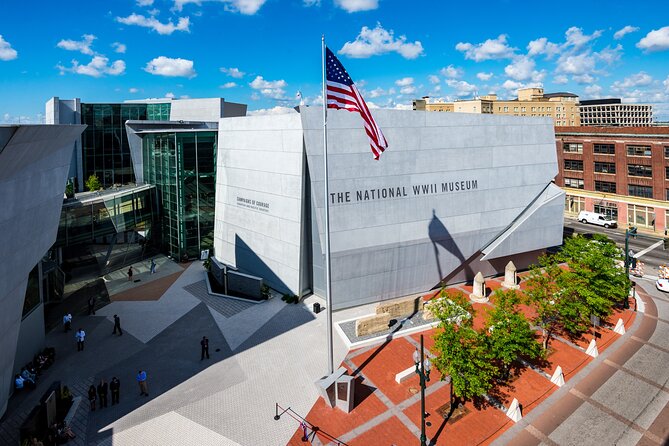
The National WWII Museum is far more than a single gallery. It is a six-acre campus with five pavilions, life-size displays, films, personal accounts, and enough material to fill a full day. The Beyond All Boundaries film, narrated by Tom Hanks, adds a dramatic sensory presentation in the Solomon Victory Theater.
I like the freedom to enter the museum before your timed film and set your own pace. I also like the way the exhibits include voices from women, Black Americans, Native Americans, political leaders, and people from several countries. The main drawback is simple: this is a lot of walking, reading, and emotionally heavy material, so young children or anyone short on time may struggle to get much from it.
Key points
- A timed Tom Hanks 4D film: Choose your screening time in advance, then see Beyond All Boundaries with moving seats, sound effects, lighting, fog, and other theater effects.
- Five pavilions across a six-acre campus: You are not visiting one compact museum room. Plan your route and allow several hours.
- A self-guided visit: The ticket includes museum admission, but not a personal guide. You can spend more time with the exhibits that matter most to you.
- Serious, personal storytelling: Live footage, recorded voices, interactive kiosks, and military artifacts connect large events to individual lives.
- A strong value for a full day: At $49.35 per person, the pass makes the most sense if you arrive early and stay for several hours.
- Plan around the film, not after it: You may enter the museum any time before your screening, so arrive early enough to avoid rushing through the galleries.
A Museum That Takes More Than an Afternoon
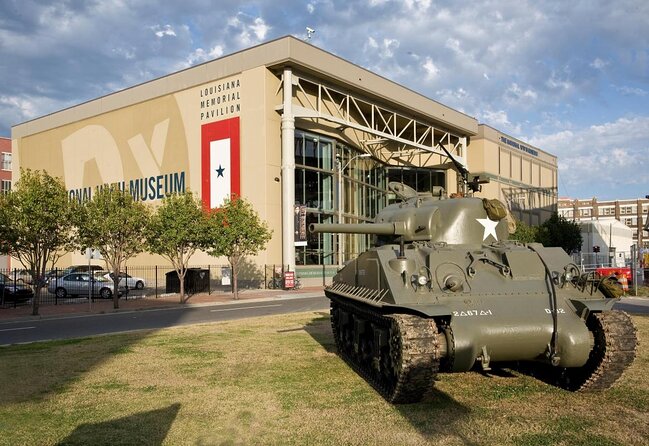
The National WWII Museum occupies a sprawling downtown New Orleans campus, and that size shapes the whole visit. You move between separate pavilions rather than walking through one straight sequence of rooms. Each building adds another part of the war story, from the period before the fighting to the European and Pacific theaters, the home front, and the years after victory.
I would allow at least half a day. Six hours is a better target if you want to read carefully, watch films, and take breaks. Several people have found that even seven or eight hours was not enough to see everything, while a shorter four-hour visit still delivered plenty. That tells you what kind of museum this is: you can make a worthwhile visit in a morning, but you will leave material behind.
The campus pass costs $49.35 per person. That is not a bargain ticket for a quick stop, but it is reasonable if you treat the museum as a main New Orleans attraction rather than a side trip. The included admission covers the campus, and the package also reserves your place at the in-demand 4D film. If you only have two hours in the city, the price feels harder to justify. If you can give the museum most of a day, the value improves considerably.
More film museums and exhibitions in the USA:
- Nashville Fun Pass: Johnny Cash Museum, City Trolley, RCA Studio
★ 4.5 · 93 reviews - 5th & Park – Film & Fiction Walking Tour of Carnegie Hill Along Museum Mile
★ 4.5 · 11 reviews - Seftel Gallery Art Experience – Meet the Artist near Santa Fe
★ 5.0 · 6 reviews
Start Before Your Film Time
Your selected time is for Beyond All Boundaries, not for entry to the entire museum. You can enter the museum any time before the film, and I strongly recommend using that flexibility. Arriving early gives you time to get oriented, see a major exhibit, and reach the Solomon Victory Theater without cutting your visit short.
The museum is open daily from 9 a.m. to 5 p.m. A morning arrival works best for anyone hoping to cover several pavilions. You can also use the film as a fixed point in the day. Start with the galleries, attend your screening, then return to the exhibits afterward.
This arrangement is useful because the museum has no single natural endpoint. Without a scheduled activity, it would be easy to spend too long reading in the first pavilion and then hurry through the rest. The film gives your day a helpful anchor.
Five Pavilions, Five Ways Into the War
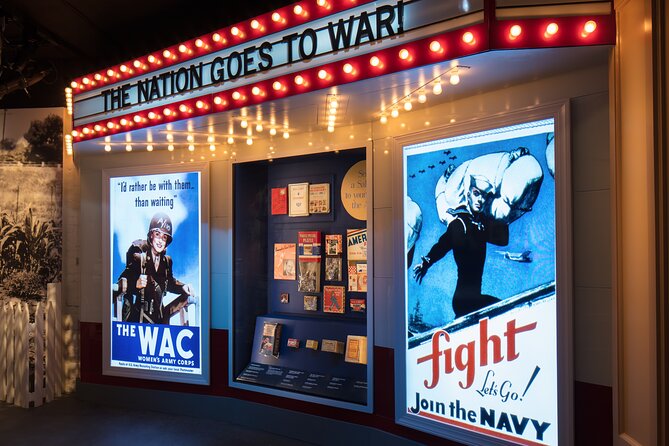
The museum presents World War II through several connected perspectives rather than a narrow battlefield story. You will find displays about the European theater and Pacific theater, along with material about the years before the war, the home front, liberation, and life after the fighting ended.
The scale can feel demanding. There are large displays, films, audio stations, written panels, and interactive kiosks. Some areas ask you to stop and listen, while others reward careful reading. If you try to absorb every word, you will need more than one day.
The best approach is to decide what matters most to you. You might focus on military strategy, follow one personal story, or split your time between Europe and the Pacific. The museum also offers a Follow A Soldier dog tag experience, which lets you track an individual through the exhibits. That personal thread can make the large events easier to understand.
The exhibits also make room for voices often left out of a simple battle-by-battle account. You will encounter stories involving women, Black Americans, Native Americans, political leaders, and people from different countries. This wider view adds useful context, especially if you are visiting with a teenager who knows the dates and generals but not the wider social cost of the war.
What You Will Actually Do Inside
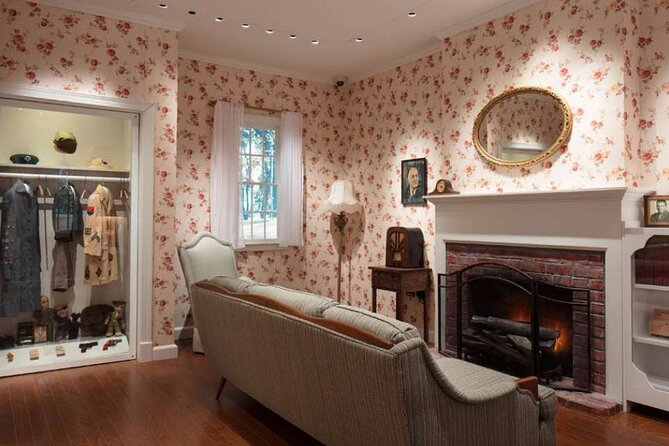
This is primarily a museum for looking, listening, and reading. It is not an amusement attraction, and much of the visit depends on your willingness to pause at displays and absorb testimony. Several areas use moving images and sound, while interactive kiosks give you another way to explore the material.
Bring your reading glasses if you need them. There is a great deal of printed information, and rushing past it can reduce the visit to a series of impressive objects without much understanding of why they matter.
The museum’s strongest quality is its connection between broad events and individual experience. Recorded voices from the past, personal accounts, live footage, and military displays help show what the war meant to people who served, worked, suffered, and waited at home. The result can be moving, but it is not light entertainment.
The liberation section is especially difficult and important. Images connected to Nazi death camps are disturbing, and the museum does not soften the human cost of war. Parents should use their judgment with younger children. One family had a meaningful visit with a 13-year-old who was deeply interested in military history, but another account points out that the museum is not designed for very young children.
A few more filming locations around the USA worth a look
- Los Angeles: Warner Bros. Studio Tour Hollywood
★ 4.6 · 7,191 reviews - Full-Day Iconic Sights of LA, Hollywood, Beverly Hills, Beaches and More
★ 5.0 · 6,147 reviews - Warner Bros. Studio Tour Hollywood
★ 4.5 · 5,246 reviews - Hollywood, Beverly Hills & Celebrity Homes Tour by Open Air Bus
★ 5.0 · 2,557 reviews
Why the Beyond All Boundaries Film Is Worth Planning Around
The Solomon Victory Theater presentation is the signature extra included with this ticket. Beyond All Boundaries uses Tom Hanks as narrator and combines a large multi-layered projection system with moving scenery, lighting, sound, atmospheric effects, and vibrating seats.
The sensory effects are not a minor detail. Your chair can move suddenly, and the film uses loud noises, flashing lights, and fog. These effects are designed to make the presentation feel immediate, but they can be uncomfortable for some people. Stationary seating is available, so ask at the theater if moving seats are a concern.
The film is often one of the most memorable parts of the day because it compresses the war into a powerful visual and physical presentation. It can also be intense. Earplugs may help if you are sensitive to loud sound, and you should be prepared for startling images.
The theater is not closed captioned. Assisted listening devices are available through the Visitor Services desk in the Solomon Victory Theater for people with hearing loss. If you have a medical condition affected by flashing lights, fog, loud noises, or sudden chair movement, plan ahead and request stationary seating.
Expect Walking, Reading, and Emotional Weight
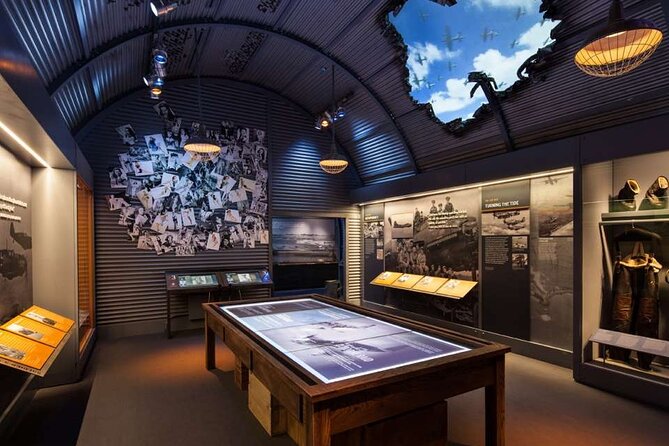
Wear comfortable shoes. The campus covers six acres, and the separate buildings require more walking than a standard indoor museum. You will also spend a lot of time standing, stopping, and moving between displays.
Food is available on the campus, which matters because a proper visit can last from midmorning until closing. A break can help you return to the exhibits with more attention, especially after the more difficult sections. You do not need to force yourself through every gallery in one continuous push.
The emotional weight deserves equal attention. The museum presents the horrors of war, including victims of Nazi persecution, death camps, forced marches, and the loss endured by service members and civilians. The subject is handled with seriousness, but some images may stay with you long after you leave.
At the same time, the museum is not only about suffering. It also examines the extraordinary effort of the Allied forces, the people who served in different roles, and the world after the war. That wider view helps prevent the visit from becoming a simple military victory story.
Is the Self-Guided Format Right for You?
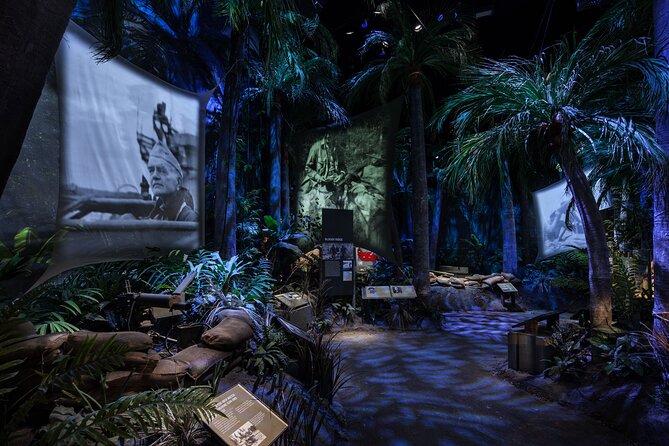
This ticket does not include a personal museum guide. You explore on your own, following the layout and choosing where to spend your time. I like that freedom because the campus contains enough material to suit different interests, but some people may prefer more explanation and a clear route.
Navigation can take a little effort. With five pavilions and many audio and visual displays, it is worth checking the campus layout at the start and deciding what you want to see first. If you have only a few hours, do not assume you will cover every room.
A self-guided visit suits you if you like setting your own pace, reading selected panels, and returning to displays that catch your attention. It is less ideal if you want a guide to interpret every exhibit or tell stories as you walk.
The lack of a guide is not a flaw in the museum itself. It simply changes the kind of experience you receive. You get control, but you must manage your time and energy.
How Much Time Should You Set Aside?
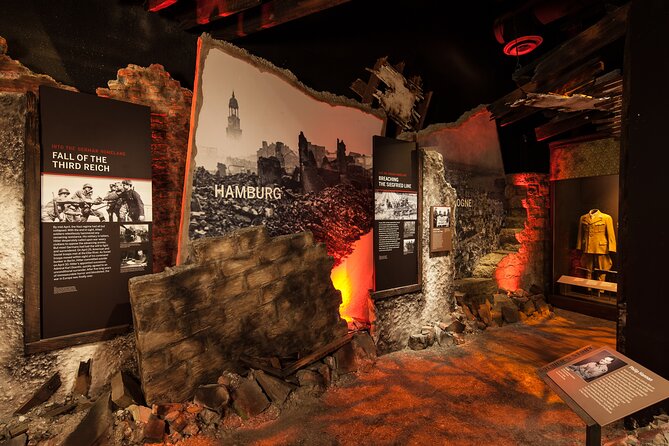
For a quick but worthwhile visit, allow at least three hours, including the 4D film and a break. Four to six hours gives you a better chance to see several major areas without racing.
For a serious visit, set aside the full day. The museum opens at 9 a.m. and closes at 5 p.m., giving you eight hours if you arrive at opening. Even then, you may not read every panel or see every film.
A second day can make sense for history enthusiasts. The museum has enough content to support a return visit, and a longer stay lets you focus on sections you had to pass quickly the first time. If your New Orleans schedule is tight, choose the European and Pacific theater displays, the liberation material, and the 4D film as priorities.
Who Will Get the Most From This Ticket?
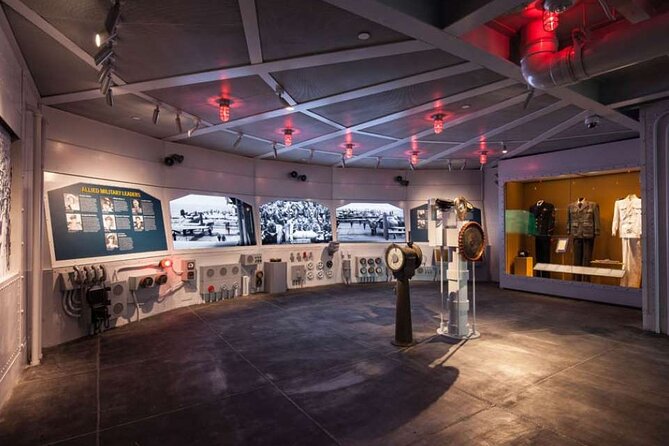
This experience is a strong choice for adults, couples, solo visitors, families with older children, and anyone with a serious interest in World War II. It also works well for people who want more than a battlefield timeline because the museum includes personal, political, and social perspectives.
High-school students can gain a clearer sense of what the war demanded from ordinary people. The combination of film, recorded testimony, and artifacts can make a classroom topic feel more real, though adults should be ready to explain difficult scenes.
You may want to skip this ticket if you dislike loud theater effects, have a condition aggravated by flashing lights or sudden movement, or only have a short gap between other New Orleans plans. The museum is not a quick photo stop, and the material is not suited to every young child.
Service animals are allowed, and the museum is near public transportation. Most people can take part, but the amount of walking and standing is worth considering before you book.
Booking, Cancellation, and Weather Details
You receive confirmation when you book, and the ticket is mobile, which keeps the arrival process simple. Free cancellation is available if you cancel at least 24 hours before the experience start time. Inside that window, the amount paid is not refunded, and changes are not accepted.
The stated cancellation terms also say the experience requires good weather. If poor weather causes cancellation, you can choose another date or receive a full refund. Cutoff times use local New Orleans time.
Should You Book the National WWII Museum Campus Pass?
Book it if you want a serious, full-bodied look at World War II and can give the museum at least half a day. The $49.35 price is easiest to justify when you arrive early, see several pavilions, take a break, and attend the included Beyond All Boundaries film.
I would especially recommend it to history-minded adults and families with older children. The personal stories, broad range of voices, interactive kiosks, and powerful theater presentation give the museum more depth than a basic collection of military objects.
Think twice if you have only a couple of hours, want a light activity, or dislike loud and startling effects. For everyone else, this is one of New Orleans’ most worthwhile indoor history visits, provided you treat it as a full day rather than a quick attraction.
FAQ
What does the campus pass include?
The pass includes admission to the National WWII Museum campus and a timed screening of the Beyond All Boundaries 4D film at the Solomon Victory Theater.
Can I enter the museum before my movie time?
Yes. You may enter the museum at any time before your selected film screening, so arriving early is recommended.
How long should I plan for the museum?
Plan at least three hours if you want to include the 4D film and lunch. Four to six hours is better for several pavilions, while a full day allows more time for the displays.
Is Beyond All Boundaries suitable for everyone?
The film includes loud noises, flashing lights, fog effects, and sudden chair movements. Stationary seating is available for people who need it. Assisted listening devices are also available, but the film is not closed captioned.
Is a tour guide included?
No. The ticket provides museum admission and the timed film, but you explore the museum on your own.
Are service animals allowed?
Yes. Service animals are allowed at the museum.
What is the cancellation policy?
You can cancel up to 24 hours before the experience start time for a full refund. Cancellations or changes made less than 24 hours before the start time are not accepted, and no refund is provided.
Just added around the USA
- Half-Day Hollywood In The South Film Locations in Savannah★ 5.0 · 2 reviews
- Totally Made-Up Hallmark Christmas Movie★ 5.0 · 5 reviews
- Forks Town, Twilight Movie, Olympic Small Group 1 Day Tour★ 5.0 · 3 reviews
- Behind The Scenes Movie Tour Midnight in the Garden★ 4.0 · 5 reviews
- Private 4-Hour Limo Tour of Los Angeles and Beaches★ 5.0 · 6 reviews
- Limo Tour: Hollywood, Beverly Hills, Santa Monica, Venice, Malibu★ 5.0 · 4 reviews
- Greater Los Angeles and Hollywood Private Tour.★ 4.5 · 4 reviews
- San Francisco Private Sightseeing Tour – 3 hours, up to 4 Guests★ 4.0 · 2 reviews
the USA Film Location Tours, compared.


Full-Day Iconic Sights of LA, Hollywood, Beverly Hills, Beaches and More
Read our review →
Hollywood, Beverly Hills & Celebrity Homes Tour by Open Air Bus
Read our review →
Hollywood Sign 2.5-Hour Tour with Comedians and Their Dogs
Read our review →
Full-Day LA Tour: Santa Monica, Hollywood and Beverly Hills
Read our review →
Memphis City Tour with Optional Riverboat Cruise & Sun Studio Add-On Options
Read our review →Browse the lists this tour appears in