
REVIEW · GIRONA
Girona Film Museum – Entrance
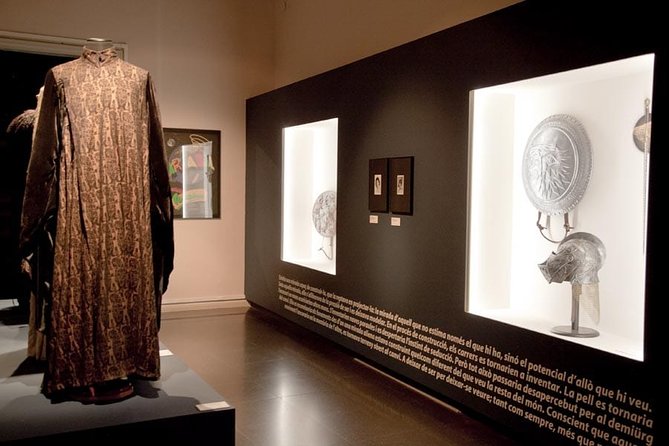
Girona’s Cinema Museum takes you behind the screen, long before actors, cameras, and Hollywood. Inside the former Casa de les Aigües, you’ll see how people turned shadows, light, painted glass, and spinning images into moving pictures. It is a lively way to understand cinema as an invention, not just a finished product.
I like the hands-on displays, especially the digitized magic lantern images that let you see old projection tricks at work. I also like the clear route through five centuries of visual entertainment, supported by short films and an included audio guide. The one drawback is that casual visitors may find the amount of information a little heavy, especially if they try to read and watch everything.
Key points at a glance
- Five centuries of image-making: Follow the path from shadow plays and optical devices to cinema and television.
- Magic lanterns and rare equipment: See a strong collection of pre-film instruments, including historical projection devices.
- Interactive displays: Test how light, frames, and movement create the illusion of motion.
- Short introductory film: Begin with a concise film that explains the museum’s central idea before you explore the collection.
- Good value at $8.40: The low admission price makes this an easy addition to a day in Girona.
- Flexible visit length: You can see the essentials in about an hour, but two hours or more suits film fans and curious teenagers.
Start with Light, Shadows, and the Magic of Illusion
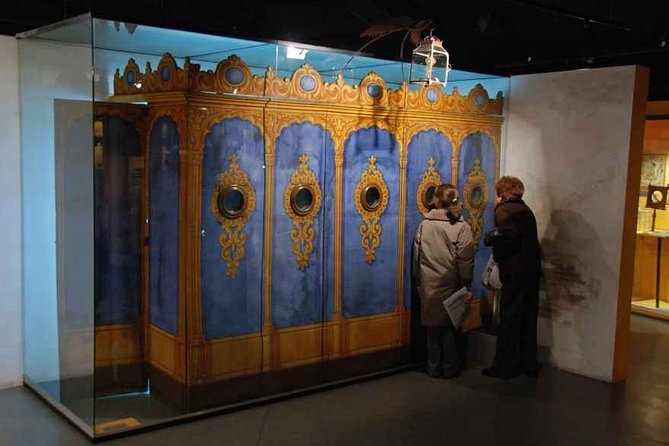
The museum begins with a simple question: how did people learn to make still images appear alive? Before film, audiences gathered around shadow plays, optical toys, painted slides, and lantern projections. These early devices may look modest beside modern cinema, but they reveal the clever tricks that made later film possible.
A short introductory film sets up the visit. It gives you the basic story before you begin looking at the objects, which helps keep the collection from feeling like a room full of unfamiliar machines. I recommend paying attention here, even if you normally skip museum introductions. The film explains the human fascination with capturing light and frames, which is the thread running through the entire visit.
The first rooms focus on the roots of visual entertainment. You might see equipment linked to shadow play, early projection, and the first attempts to create movement from separate images. The displays are not only about dates and inventors. They show the practical problem each device tried to solve: how to control light, how to make an image appear larger, and how to persuade the eye that separate frames are moving.
This opening section is valuable for families and young people because it turns technical ideas into visible demonstrations. Instead of simply reading that an optical device created an illusion, you can watch the effect through an interactive display. It is easier to understand the birth of cinema when your own eyes are doing some of the work.
More film museums and exhibitions in Spain:
- Hidden Art Galleries and Artist’s Studio in Madrid
★ 5.0 · 42 reviews - Barcelona Art & Wine: Galleries, Studios & Street Art
★ 5.0 · 26 reviews - Girona: Museum of Cinema Entry Ticket
★ 4.6 · 8 reviews
The Magic Lantern Collection Is the Museum’s Great Strength
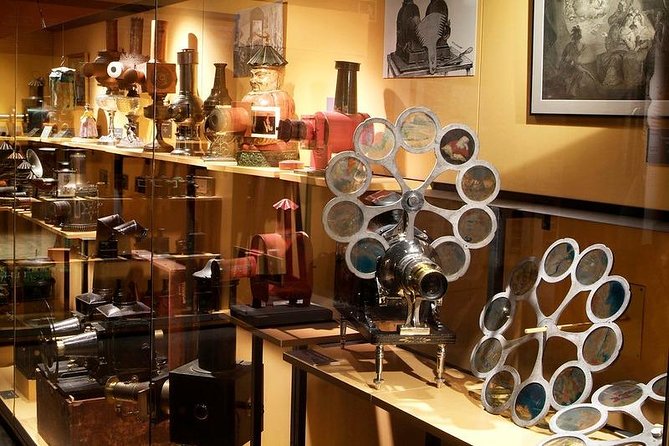
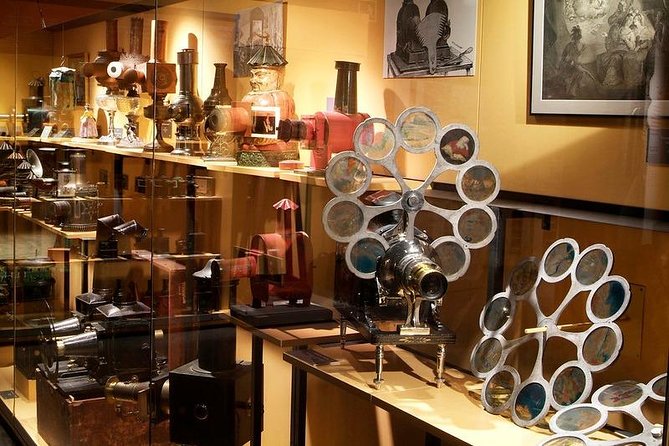
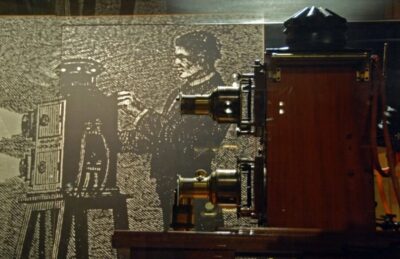
The collection of magic lanterns and other pre-motion-picture instruments is one of the main reasons to visit. These devices belong to the period before modern cinema, when projected images were already a popular form of entertainment. A lantern could cast painted or photographic images onto a surface, creating a shared spectacle for an audience.
I find this part especially useful because it corrects the common idea that cinema appeared fully formed. The technology developed in stages. People first learned to project pictures, then to change them, then to create the impression of movement. Each small improvement prepared the way for the next one.
The displays also make clear that cinema grew from more than one source. It came from theater, illustration, photography, mechanical devices, and public shows. The museum’s equipment gives you a physical sense of that process. You are not just looking at a timeline. You are seeing the tools that helped turn an image into an event.
Several interactive features let you experiment with the visual tricks. These are not throwaway buttons for children. They explain why the eye and brain can connect separate images into a moving scene. If you are interested in photography, animation, stage design, or theater, you may spend longer here than expected.
The collection also works for people who do not consider themselves film experts. You do not need to know the names of early inventors or projection systems before arriving. The displays provide enough explanation to make the objects understandable, while the interactive sections keep the visit from becoming a wall-reading exercise.
Follow the Story Through Early Cinema and Television
After the pre-film devices, the museum moves toward the beginning of motion pictures and then to the cinema familiar today. The route covers the arrival of moving images, the people involved in the new art form, and the changes that eventually led to television.
The museum presents cinema as both a technique and a visual spectacle. That distinction matters. You learn how the machines worked, but you also see why audiences found them so exciting. Early cinema was not only a new recording method. It was a new way to gather people, tell stories, display news, and create wonder.
Short film clips help break up the objects and text. They give you a chance to see the ideas in action instead of relying only on descriptions. The videos also help younger visitors stay interested, although a serious film student could easily spend more than the usual visit length examining the displays.
The later sections bring the story toward the 1970s and the arrival of television. This gives the visit a useful endpoint. You see the movement from small optical experiments to a mass visual culture that entered homes. The museum does not treat cinema as an isolated invention. It shows a long chain of experiments that changed the way people watched and understood the world.
You should allow at least an hour if you want more than a quick look. Many visitors can see the main route in that time, but I would plan closer to two hours if you enjoy museums, theater, film technology, or interactive exhibits. A teenager studying theater may find enough here to hold attention for longer, particularly in the sections on performance and the spectator.
The Museum Makes the Audience Part of the Story
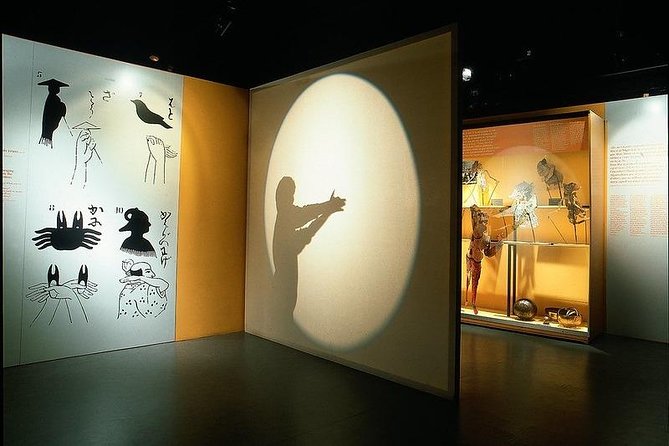
One of the more interesting parts of the visit looks at the spectator. Cinema is not only about the projector, the film, or the actor. It is also about the person watching, and how screens changed the relationship between audience and image.
That idea gives the museum more depth than a simple display of old machines. You begin to think about the setting of a show, the expectations of an audience, and the way visual entertainment has changed over time. A film device matters because of what it allows people to experience together.
The interactive displays are especially helpful here. They show the mechanics behind the illusion while also reminding you that the audience completes the experience. You watch, interpret, and connect the images. The museum gives you a better grasp of why old visual tricks could be so powerful even when the machinery was simple.
The section on important figures in cinema also broadens the story. One display draws attention to prominent figures and the large number of Jewish people who invested in and helped shape the film industry. This adds a social dimension to the technical material, though the information may be most useful to visitors who take time with the audio guide and written explanations.
A few more filming locations around Spain worth a look
- Girona: Game of Thrones Small Group Tour
★ 4.9 · 816 reviews - Valencia: City of Arts and Science 3D Movie at Hemisfèric
★ 4.1 · 455 reviews - Game Of Thrones Walking Tour in Girona
★ 5.0 · 406 reviews - Seville: Game of Thrones and Roman Empire Italica Tour
★ 4.3 · 372 reviews
How Long Should You Spend at the Girona Cinema Museum?
The official visit length is flexible, from roughly one to five hours. That wide range makes sense because this is a self-guided museum rather than a timed tour with a fixed sequence of activities.
For a quick visit, allow about an hour. You can watch the introductory film, move through the main displays, try a few interactive elements, and understand the broad story from early image-making to television.
For a comfortable visit, plan on 90 minutes to two hours. This gives you time for the audio guide, short film clips, the magic lantern displays, and the sections about spectators and cinema pioneers. I consider this the best balance for most people.
Five hours would suit a dedicated film professional, historian, or student who wants to study the collection closely. The museum contains enough detail to reward a slower pace, but most people will not need an entire half day unless film is a serious interest.
The visit is easy to adjust around a day in Girona. You can use it as a focused cultural stop, or place it between other sights in the city. It also works well before leaving after an overnight stay because the visit can be completed without committing to a full-day activity.
Is $8.40 Good Value?
At $8.40 per person, this is one of the easier cultural purchases to justify in Girona. The ticket includes admission to the Cinema Museum and the audio guide, so you are not paying extra to get the basic explanation of the collection.
The value comes from the combination of objects and demonstrations. A museum displaying old equipment can become dry if you only see cases and labels. Here, the interactive elements and short videos help explain what the machines did. You get both the artifact and the effect it produced.
The price also gives you room to be selective. You do not need to force yourself to spend half a day to make the ticket worthwhile. If you have one free hour, the museum still offers a clear story and several memorable displays. If you are a film enthusiast, the low entry price makes it sensible to stay longer.
There is also a five-museum card that can provide half-price admission to participating museums, according to information presented at the museum. If you already plan to visit several museums in Girona, check whether that card suits your schedule and budget. For a single museum visit, the $8.40 ticket is straightforward and reasonable.
The rating of 4.8 from 20 reviews and the 95 percent recommendation figure point to strong satisfaction, but I would read those numbers in context. The museum is likely to please people who enjoy visual history and hands-on displays more than those looking for a major film exhibition with large modern galleries or famous movie memorabilia.
Access, Transport, and Practical Details
The Cinema Museum is near public transportation, making it a practical stop within Girona’s city sightseeing plans. The ticket is mobile, and the experience is offered in English, which helps if you do not read Catalan or Spanish comfortably.
The museum is arranged over several levels. One suggested route begins with the introductory film, then takes you upward before you descend through the chronological displays. Lifts serve the levels, so mobility issues should not prevent you from seeing the collection.
Service animals are allowed, and most people can participate. The supplied information does not describe every facility or the exact location of rest areas, so anyone with specific access needs should confirm details before booking.
The experience has free cancellation if you cancel at least 24 hours before the start time. A cancellation or change made less than 24 hours in advance is not refunded or accepted, and the cut-off follows local time.
Who Will Enjoy This Museum Most?
I would recommend the museum to several kinds of visitors:
- Film fans: The historical equipment and early projection devices offer more than a quick cinema-themed display.
- Families with older children: Interactive demonstrations make difficult ideas easier to grasp.
- Teenagers interested in theater or media: The material connects performance, audiences, technology, and visual storytelling.
- Museum lovers: The chronological route rewards patient looking and listening.
- Casual visitors with an hour to spare: The museum is affordable and flexible enough for a short stop.
- Film professionals and students: The early instruments provide useful context for how motion pictures developed.
You may enjoy it less if you want a museum devoted mainly to famous actors, blockbuster costumes, or behind-the-scenes film production. This is more concerned with the machinery and ideas that made cinema possible. The magic is in the process.
Should You Book the Girona Cinema Museum?
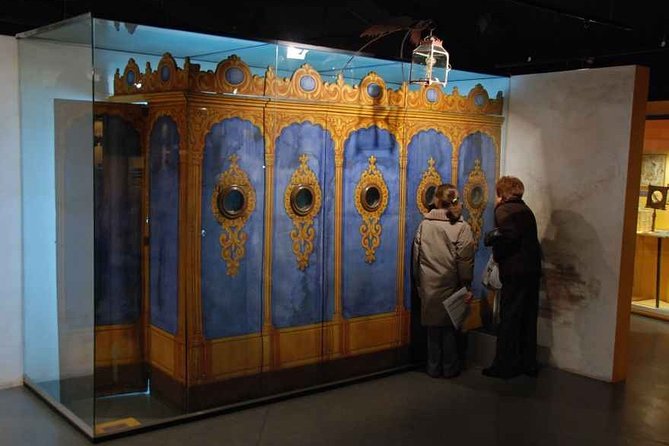
Book it if you want an affordable, thoughtful break from Girona’s medieval streets and architecture. The museum gives you a different view of the city, one centered on light, invention, performance, and the way people learned to make pictures move.
I especially recommend it if you have a teenager interested in theater, animation, or film. The interactive displays, short clips, and audio guide give the visit enough variety to hold attention, while the early instruments provide real substance for adults.
Skip it only if your schedule is extremely tight or your interest in film is limited to modern movies and famous stars. For $8.40, though, the risk is small. You can see the main collection in about an hour, and film enthusiasts will find good reasons to stay longer.
FAQ
Where is the Girona Cinema Museum located?
The museum is in Girona, Spain, inside the former Casa de les Aigües.
How much does admission cost?
Admission costs $8.40 per person. The ticket includes entry to the museum.
How long does the visit take?
The visit can take from about one hour to as long as five hours, depending on how closely you study the displays. Most people should allow around one to two hours.
Is an audio guide included?
Yes. The audio guide is included with admission, and the experience is offered in English.
Is the museum accessible for people with mobility issues?
Lifts are available to all levels of the museum. Service animals are allowed, and most people can participate.
Can I cancel for a full refund?
Yes. You can cancel at least 24 hours before the experience start time for a full refund. Cancellations or changes made less than 24 hours before the start time are not accepted or refunded.
Just added around Spain
- City of Italica and Game of Thrones★ 5.0 · 2 reviews
- Game of Thrones filming locations, Itálica, Seville★ 4.5 · 27 reviews
- Game of Thrones Basque Coast Locations Tour from San Sebastian★ 5.0 · 5 reviews
- Mallorca: 5-hours Hidden Marvels Tour★ 5.0 · 4 reviews
- Mallorca Hidden Marvels: Guided Routes for Small Groups★ 4.5 · 24 reviews
- Malaga Film Adventure Star in a Wizards Movie★ 5.0 · 3 reviews
- Mallorca: 5-hours Hidden Marvels Tour★ 5.0 · 17 reviews
- Yoga and Brunch on the beach★ 5.0 · 9 reviews
Girona Film Location Tours, compared.
ONLY Game of Thrones Tour – All the spots in one hour
Read our review →
Browse the lists this tour appears in